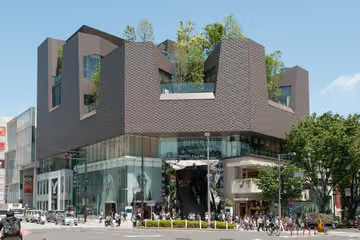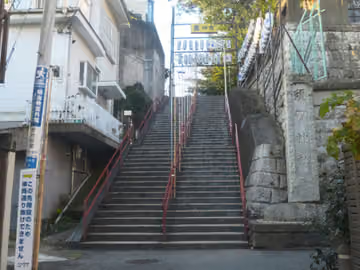
Area map
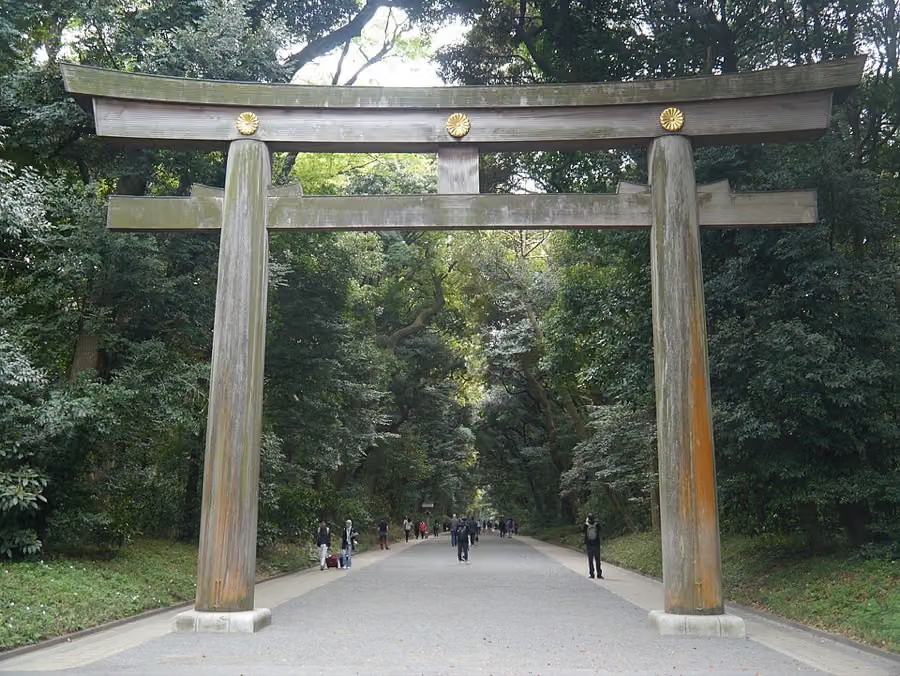
Meiji Jingu
明治神宮A forest shrine in the city
Dedicated to Emperor Meiji and Empress Shoken, surrounded by a forest of about 100,000 trees donated from across Japan.
Getting there and the basics
- Access
- The south entrance is right by JR Harajuku Station (Yamanote Line) and Meiji-jingumae (Harajuku) Station (Tokyo Metro Chiyoda and Fukutoshin lines). You can also enter from Yoyogi Station to the north or Sangubashi Station to the west.
- Time needed
- About an hour
- Best time
- Early morning
Good to know
- Entry is free. The gates open at sunrise and close at sunset, so the hours change every month.
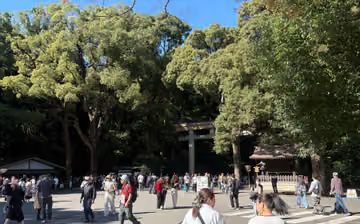
- From the entrance to the main hall is about a 10-minute walk through the forest.
- Along the path, walls of donated sake barrels and wine barrels make a popular photo spot.
- On weekends you may see a traditional wedding procession. Watch quietly.
Frequently asked questions
Where are Meiji Jingu's entrances, and which is easiest?
There are three: the South Approach from Harajuku and Meiji-jingumae stations, the North Approach near Yoyogi and Kita-sando stations, and the West Approach near Sangubashi Station. For a first visit, the South Approach by Harajuku Station is the easiest: about a 10-minute walk through the forest to the main shrine. A map of the grounds is on the official site, and there are guide boards at each entrance.
What are Meiji Jingu's opening hours?
The gates open around sunrise and close around sunset, so the times change every month. Check the official site.
Does Meiji Jingu charge admission?
Visiting the shrine is free. Only the Meiji Jingu Inner Garden on the grounds charges entry.
Who is enshrined at Meiji Jingu?
Emperor Meiji and Empress Shoken. The shrine was founded in 1920.
How do I pray at the shrine?
Bow once at the torii gate, rinse your hands and mouth at the water basin, then at the main hall do two bows, two claps and one bow.
Stories featuring this place
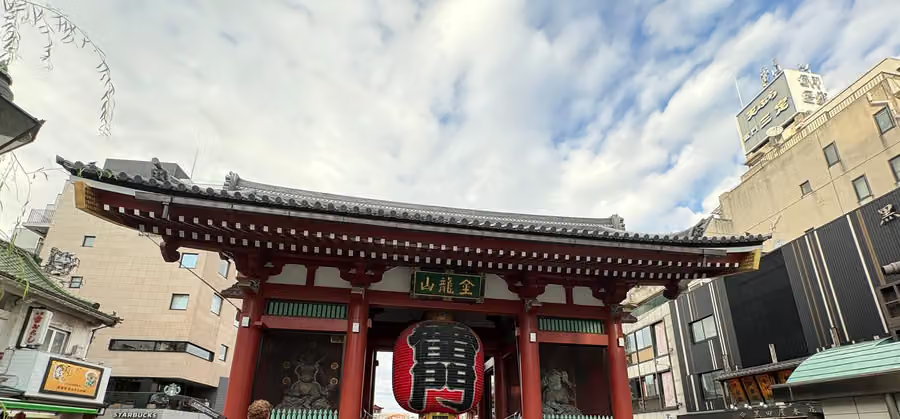 15 Free Things to Do in Tokyo: Observation Decks, Shrines and Temples, Parks and WalksTokyo has plenty to enjoy without spending a yen: the free observation deck at the Tokyo Metropolitan Government Building, Senso-ji and Meiji Jingu, which cost nothing to visit, and parks full of seasonal color. Here they are, with photos we took walking around.2026-11-19
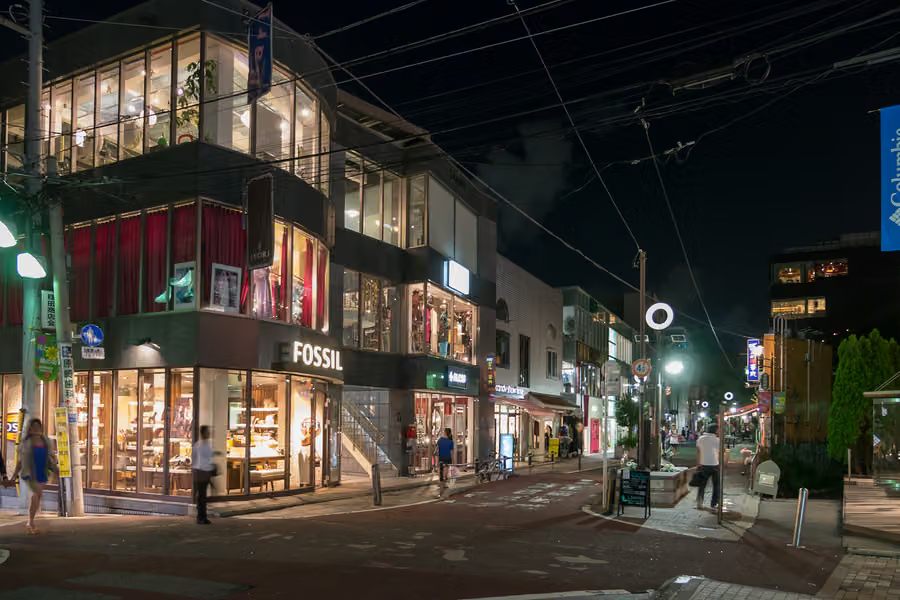 Harajuku, Omotesando and Shibuya half-day walking route: Meiji Jingu to Takeshita Street, Cat Street and Shibuya CrossingA half-day walk from the forest of Meiji Jingu through lively Takeshita Street, stylish Omotesando and Cat Street, ending at Shibuya Scramble Crossing. With a map and sample timing.2026-11-17
Japan Etiquette Cheat Sheet: Do's and Don'ts for TravelersNobody in Japan expects visitors to be perfect. Still, knowing a few key points makes your trip much smoother. Here are the do's and don'ts, scene by scene.2026-10-07
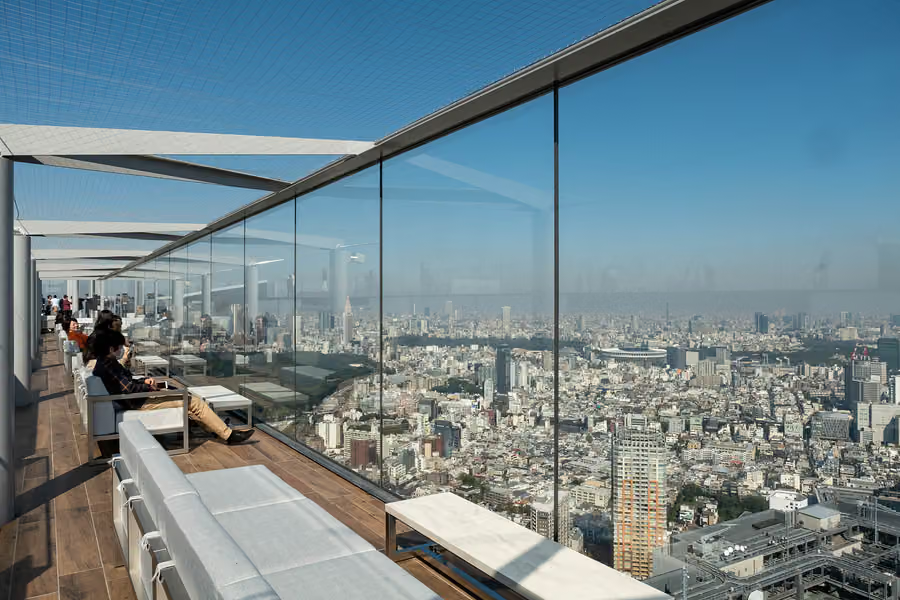 Shibuya, Harajuku and Omotesando shopping guide: 12 malls and what makes each one specialShibuya and Harajuku are Tokyo's trend centers, and their shopping buildings are attractions in themselves: a rooftop deck above the Scramble Crossing, a park on top of a mall, a whole floor of Nintendo and Pokémon stores, and even a public bathhouse in a Harajuku basement. Here are 12 places, what they're best for and how to reach them.2026-10-31
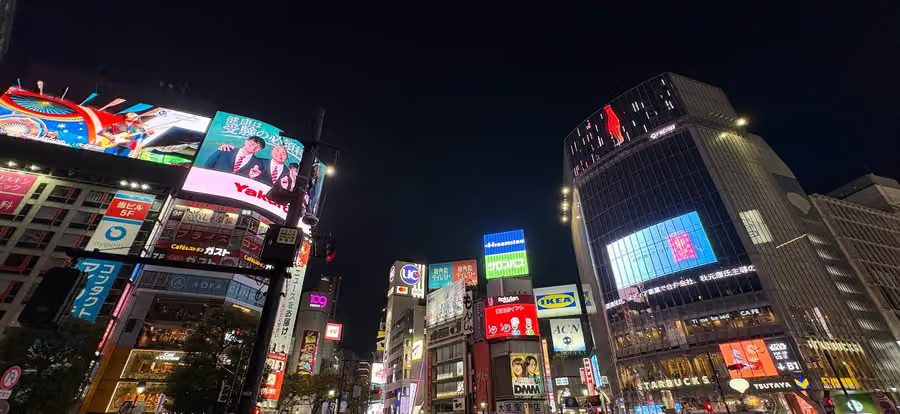 Tokyo in One Day: A One-Day Itinerary from Asakusa to Shibuya and Shinjuku at NightOnly one day in Tokyo? Start at Senso-ji in Asakusa, ride one subway line straight to Harajuku and Shibuya, and finish with a free night view and dinner in Shinjuku.2026-11-20
Tokyo in 2 Days: A Two-Day Itinerary for Old Tokyo, Akihabara, Shibuya and ShinjukuTwo days in Tokyo: spend day one in the old east side (Asakusa, Skytree, Ueno and Akihabara) and day two in the busy west (Meiji Jingu, Harajuku, Shibuya and Shinjuku at night).2026-11-21