Yamanote Line
~60 min per loop
Quick answer
Pick your area, learn the trains, and eat like a local.
 Anime mapAnime, film and game locations in TokyoOpen the map →
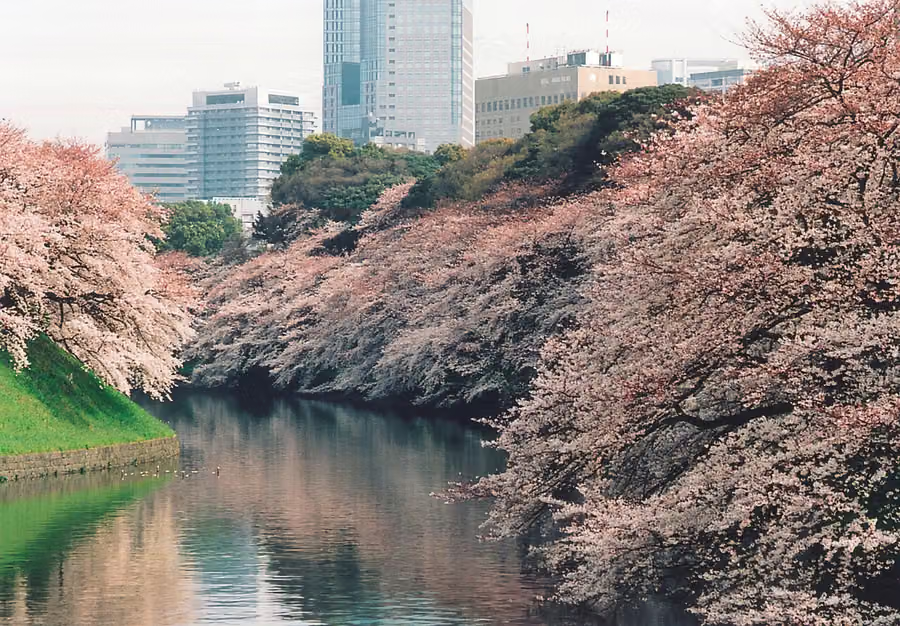 Cherry blossom mapTokyo cherry blossom mapOpen the map →
 Shopping mapTokyo shopping mapOpen the map →
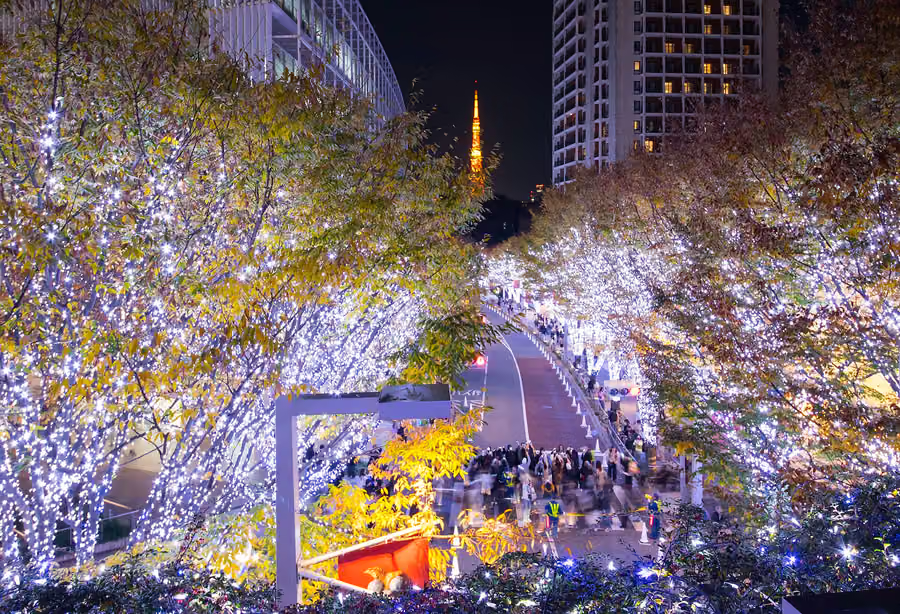
Illumination mapTokyo winter illumination mapOpen the map →
フォームからの問い合わせがジャンル別に届きます。ジャンル・ステータス・メモは管理者どうしで共有されます。
Tokyo's big shopping complexes, station buildings and department stores on one map, with what makes each one special: rooftop views, food halls, anime shops, art and even hot springs. Tap an area or a theme to narrow it down.
Tap the map to move it
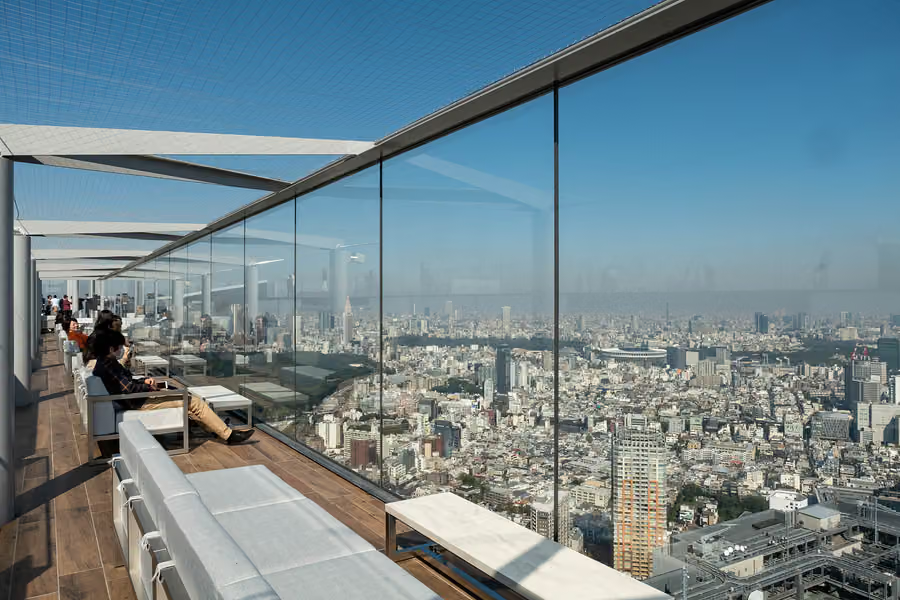
The tallest building in Shibuya (opened 2019), right on top of the station. The big draw is SHIBUYA SKY, the open-air rooftop observation deck looking straight down on the Scramble Crossing (ticketed; sunset slots sell out first). Below it are floors of fashion, cosmetics and a large food floor, handy for souvenirs on the way to the trains.
Views
A 2012 tower on the east side of the station. ShinQs, its department-store-style shopping floors, is strong on cosmetics and sweets, and the upper floors hold restaurants with city views. Tokyu Theatre Orb stages big musicals, and the creative floor has d47 MUSEUM, which shows design and crafts from Japan's 47 prefectures.
Art & culture
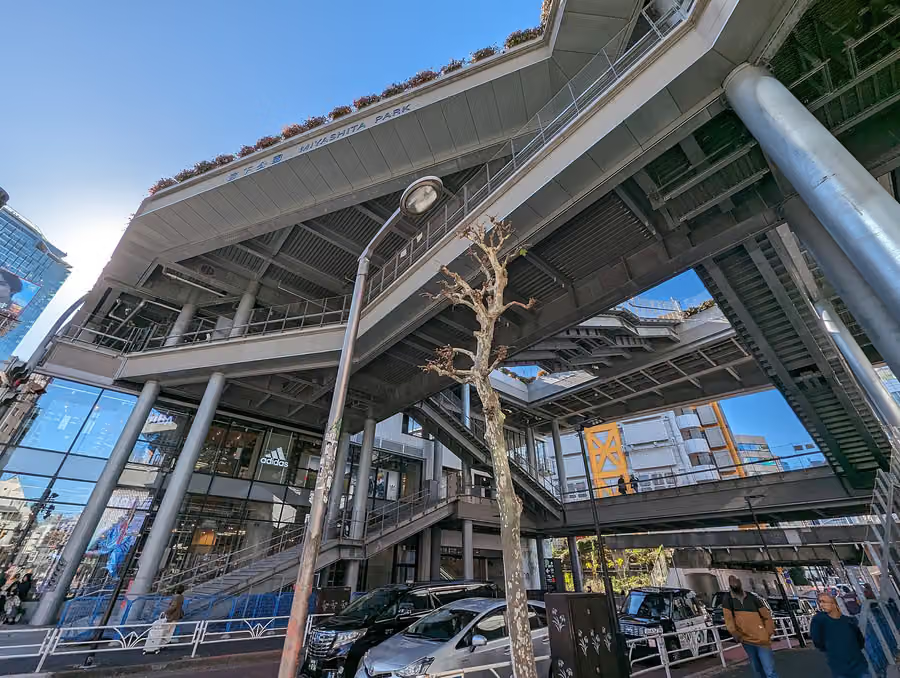
A long, low building with a public park on its roof (opened 2020). Up top are lawns, a skate park and sports facilities; below, brand shops line the length of the building. On the ground floor, Shibuya Yokocho is a lively alley of small bars and eateries serving food from all over Japan, busy late into the evening.
Views
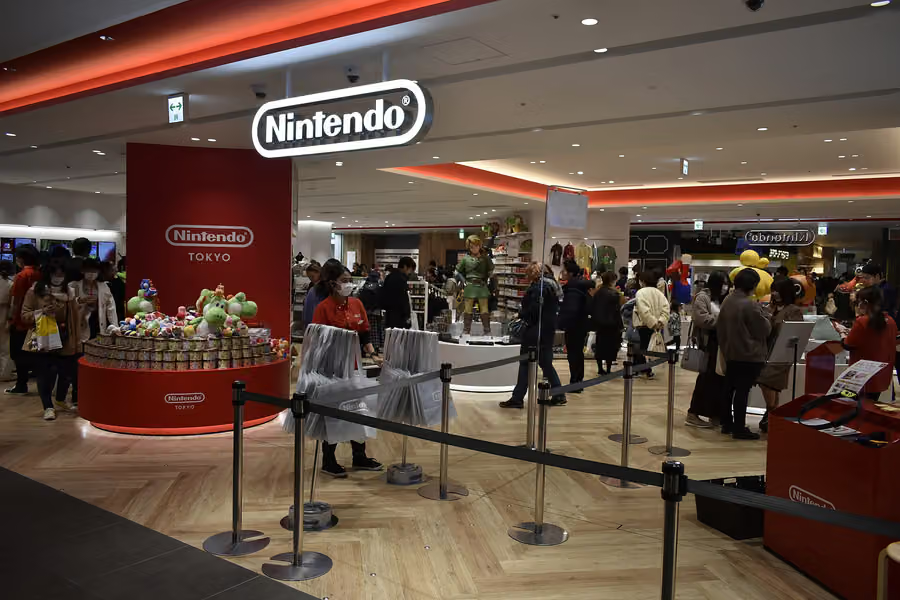
Rebuilt in 2019, PARCO mixes fashion with pop culture. The 6th floor is a must for game and anime fans: Nintendo TOKYO, Pokémon Center Shibuya, CAPCOM STORE TOKYO and JUMP SHOP are side by side. The basement food floor and the gallery spaces with changing exhibitions make it easy to spend a few hours here.
Anime, games & charactersArt & culture
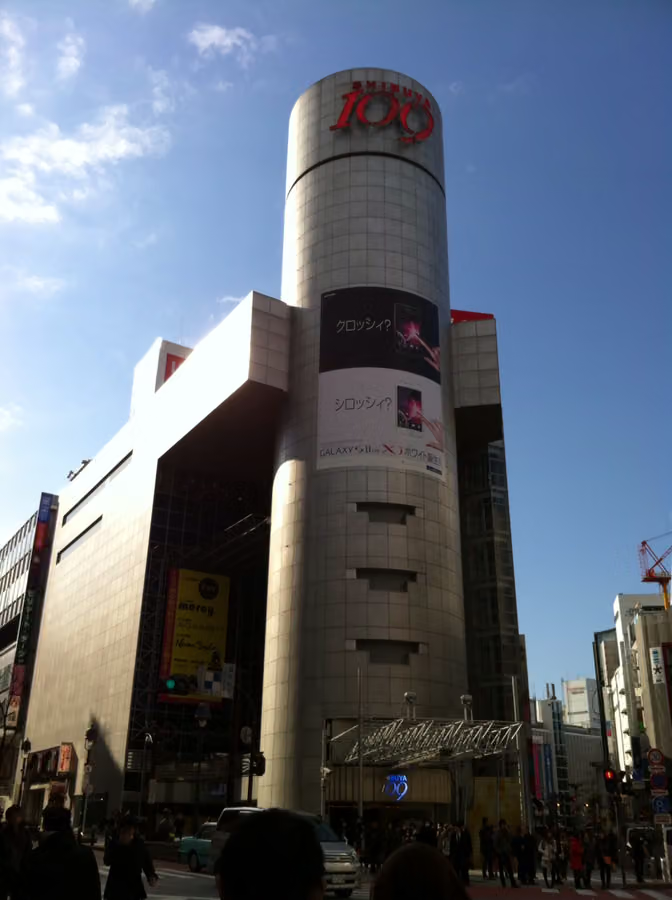
The cylinder-topped tower at the fork of Dogenzaka, a Shibuya landmark since 1979 and the birthplace of the 'gyaru' fashion boom. Today its floors of small shops show what young Japanese women are wearing right now, from affordable fashion to Korean-style cosmetics and sweets.
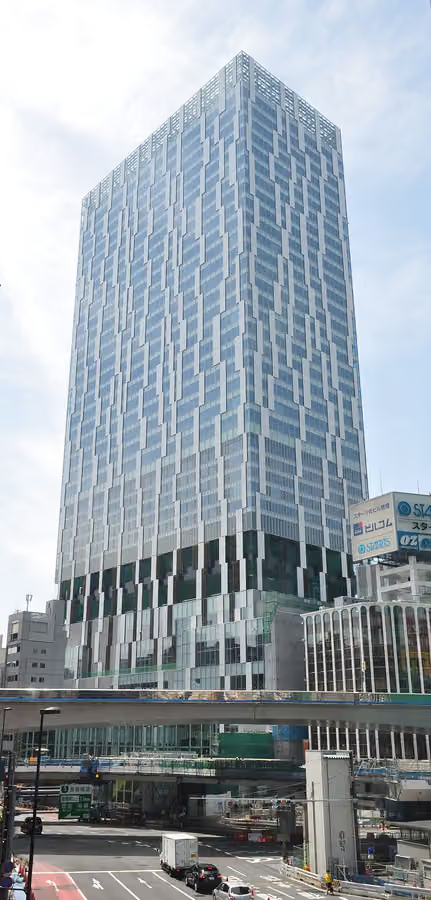
Built in 2018 along the restored Shibuya River, where a walkway with water features now runs beside the shops. The low floors are mostly restaurants and cafés with terrace seating, which makes it a calmer place to eat than the crowded streets around the crossing. A hotel and an event hall are in the same complex.
A long building that holds the Keio Inokashira Line platforms and links the station to Dogenzaka. Its passage of food shops and cosmetics stores is a good shortcut on rainy days, and the Shibuya Excel Hotel Tokyu and the highway bus terminal (including some airport buses) are upstairs.
Shibuya's newest big complex (opened 2023–2024) on the Sakuragaoka side, south-west of the station, joined to it by new decks. It has many restaurants and casual shops spread across several buildings, and the cherry trees of Sakura-dori (the street that gives it its name) bloom right beside it in spring.
Opened in April 2024 on the Jingumae crossing, where Omotesando meets Meiji-dori. Its most unusual tenant is Kosugiyu Harajuku in the basement, a branch of a well-loved old Koenji public bathhouse, so you can take a real Japanese bath in the middle of Harajuku. The upper floors are cafés and restaurants, with a green rooftop terrace.
Hot spring or bathhouseViews
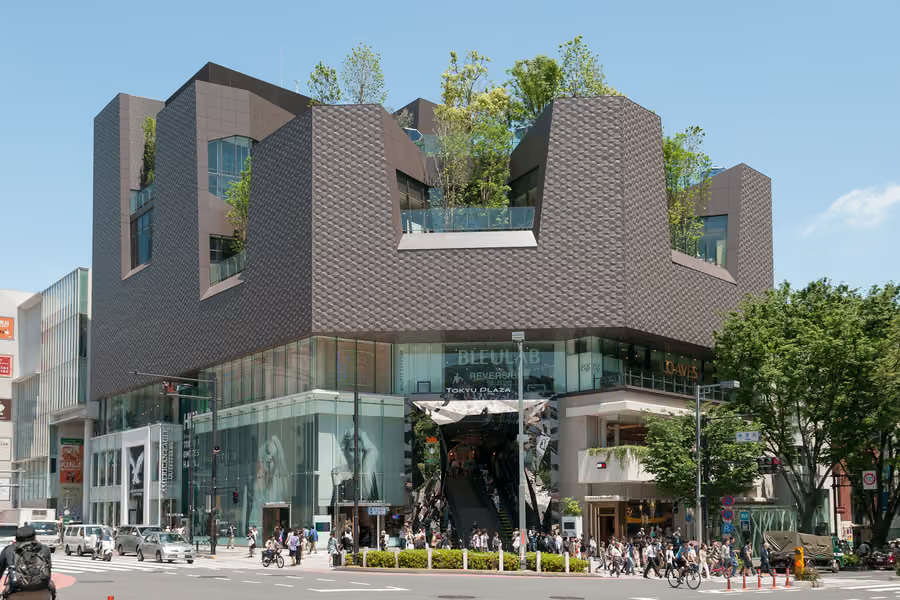
Across the crossing from Harakado. The entrance escalator is wrapped in a kaleidoscope of mirrors, one of Harajuku's best-known photo spots. On the roof, 'Omohara no Mori' is a small terrace garden with trees where you can rest above the busy street.
Views
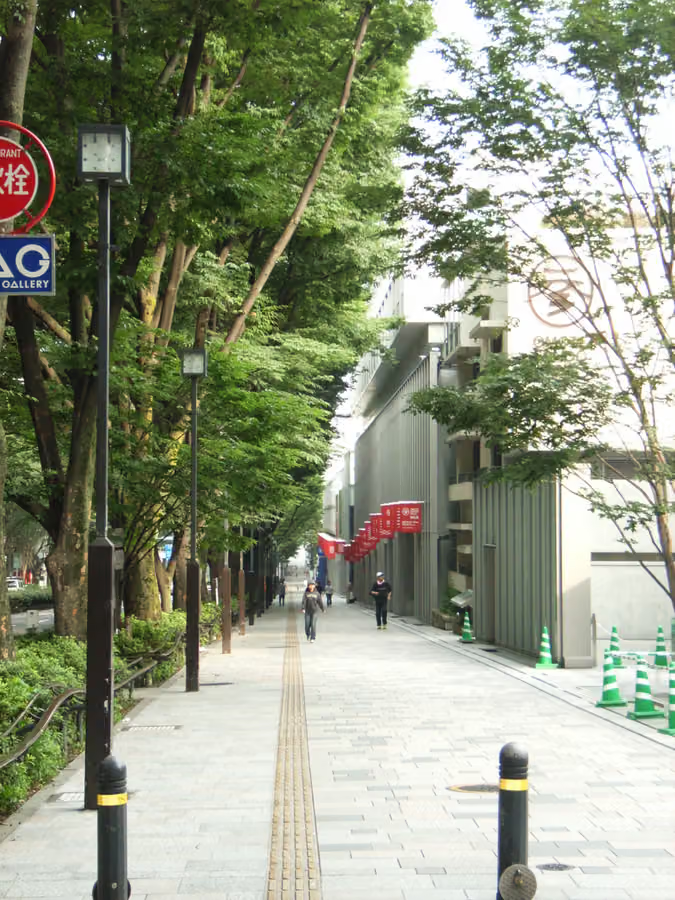
A long, low building along the zelkova-lined Omotesando avenue, designed by architect Tadao Ando (2006). Inside, a gentle spiral slope runs through a tall atrium, so the floors flow into each other. At the east end, the Dojunkai wing recreates the ivy-covered 1920s apartments that once stood here. Shops lean toward fashion and quality lifestyle brands.
Art & culture
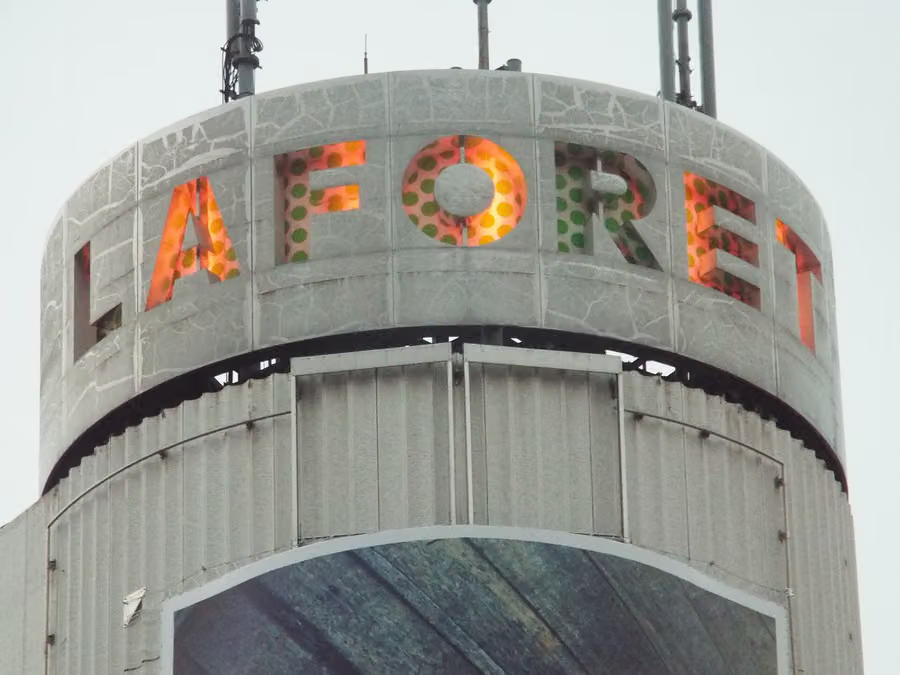
A Harajuku fashion icon on the Meiji-dori corner since 1978. Its many small shops carry everything from street and vintage-inspired styles to young Japanese designers, and Laforet Museum on the top floor hosts exhibitions and events. It's the place to see Harajuku's more daring side of fashion.
Art & culture
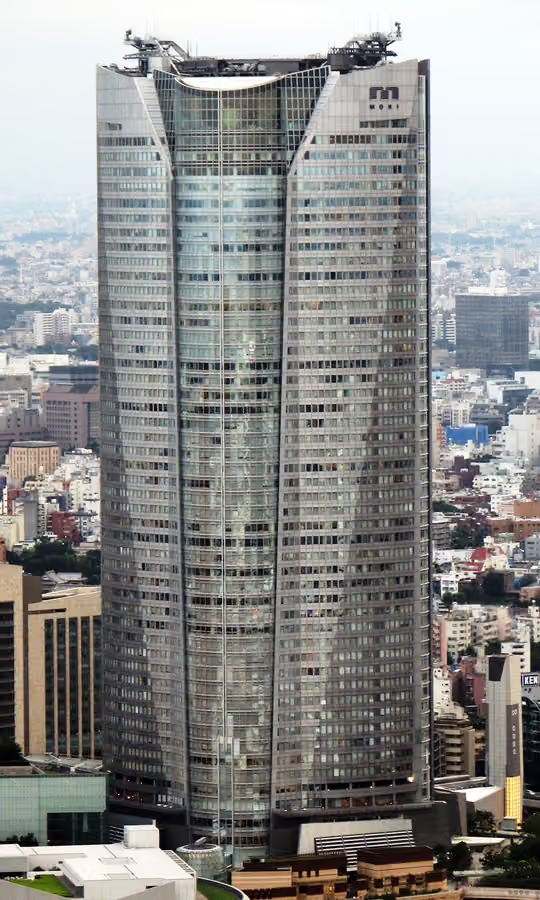
A whole district opened in 2003 around the Mori Tower. Near the top are the Mori Art Museum, known for contemporary art, and the Tokyo City View observation deck. At ground level you'll find Mohri Garden, a Japanese-style pond garden, and the Keyakizaka slope of brand stores, famous for its winter illuminations with Tokyo Tower in view.
ViewsArt & culture
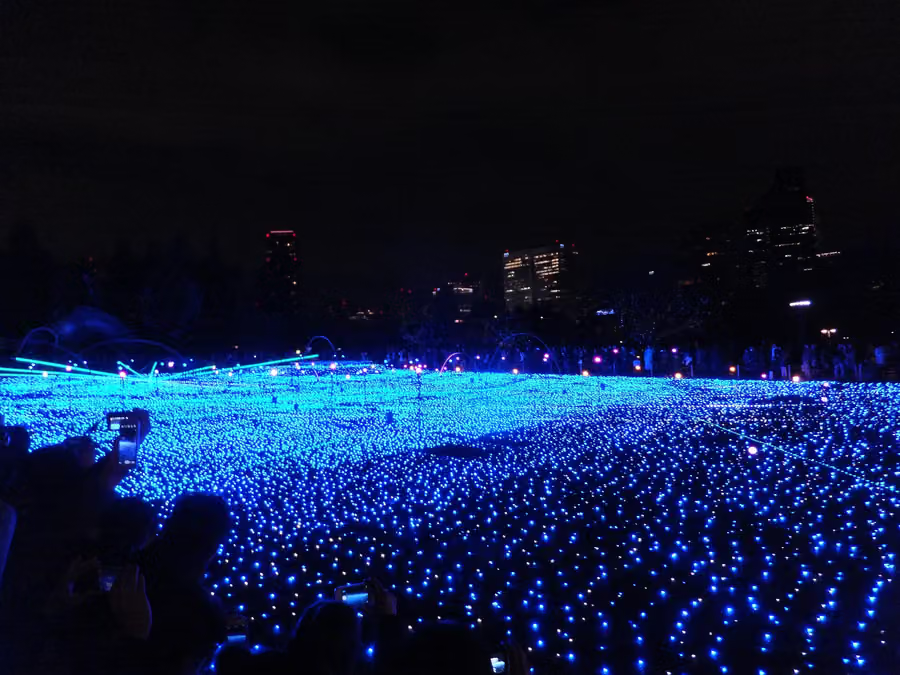
Opened in 2007 with a large lawn and garden at the back, joined to Hinokicho Park. Design is its theme: the Suntory Museum of Art and 21_21 DESIGN SIGHT (a design museum by Tadao Ando) are both here. The Galleria shopping area is calm and stylish, with good interior and food shops.
Art & culture
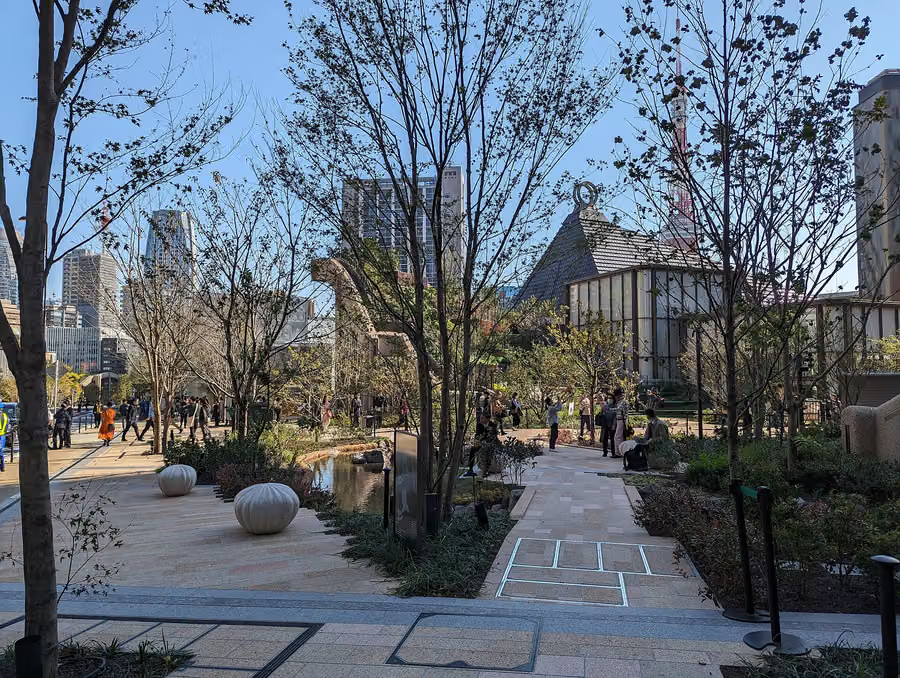
Opened in November 2023 between Roppongi and Tokyo Tower, with a green central square and buildings whose wavy roofs are covered in plants. Mori JP Tower was Japan's tallest building when completed. teamLab Borderless, the immersive digital-art museum, moved here in 2024, and Azabudai Hills Market gathers top-quality food shops under one roof.
Art & cultureViews
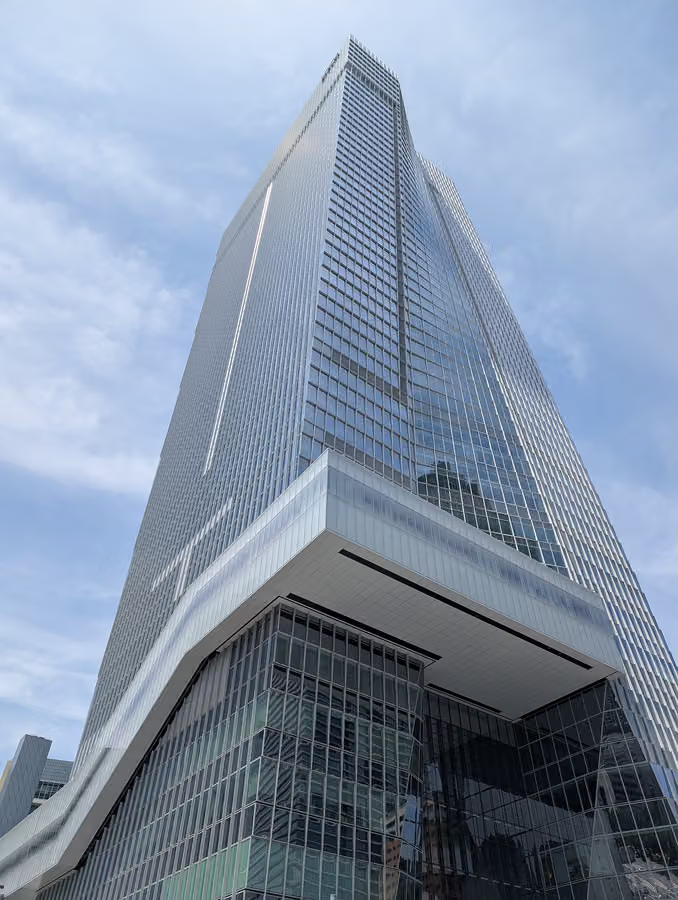
Four towers built between 2014 and 2023, mainly offices and hotels, with a new station of its own. For visitors, the highlights are Toranomon Yokocho, a food alley gathering branches of well-known Tokyo restaurants, and TOKYO NODE at the top of the Station Tower, a venue for exhibitions and events with a rooftop garden and pool-side views over the city.
ViewsArt & culture
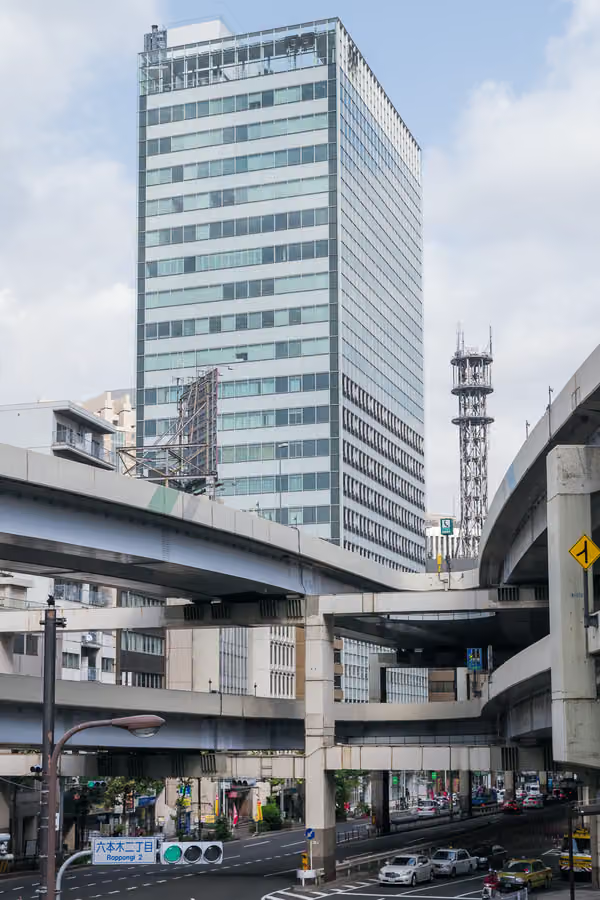
One of Tokyo's first large mixed-use developments (1986). It's home to Suntory Hall, one of Japan's leading classical concert halls. On Saturday mornings the Ark Karajan Square hosts Hills Marché, a farmers' market, and in spring the cherry trees around the complex make it a quiet hanami spot.
Art & culture
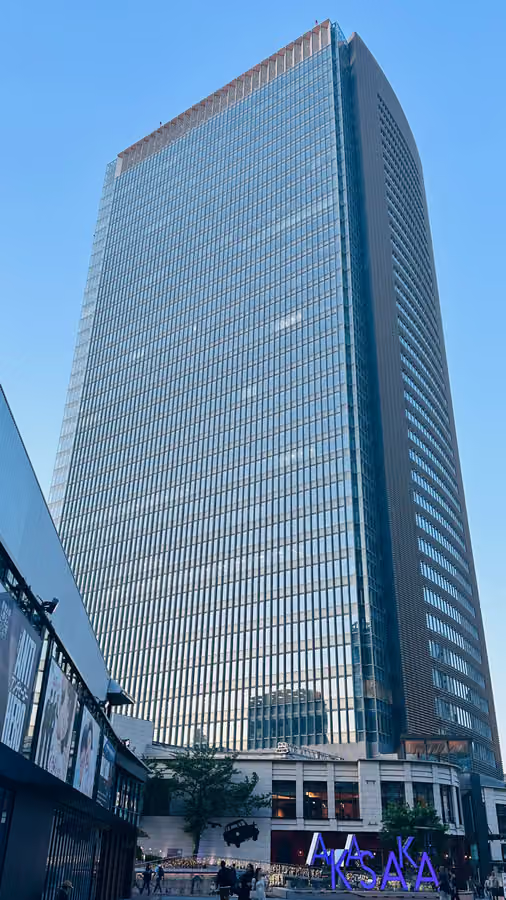
A complex around the TBS broadcasting center, opened in 2008. Akasaka Biz Tower has restaurants and cafés from many countries plus everyday shops, convenient right above the station. The TBS Akasaka ACT Theater stages long-running plays and musicals, and the Sacas plaza in front often hosts seasonal events.
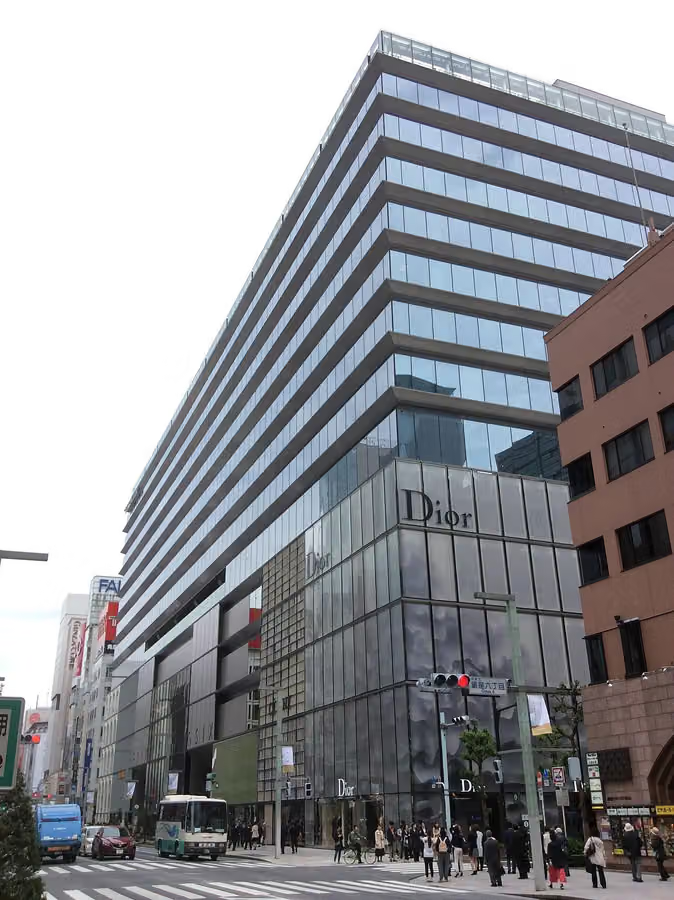
Ginza's largest shopping complex, opened in 2017 on the site of the old Matsuzakaya department store. Luxury flagship stores line the street side, while inside you'll find large art installations in the atrium, Ginza Tsutaya Books (strong on art and Japanese culture), and the Kanze Noh Theater in the basement. The rooftop garden is free to enter and a quiet place to rest.
Art & cultureViews
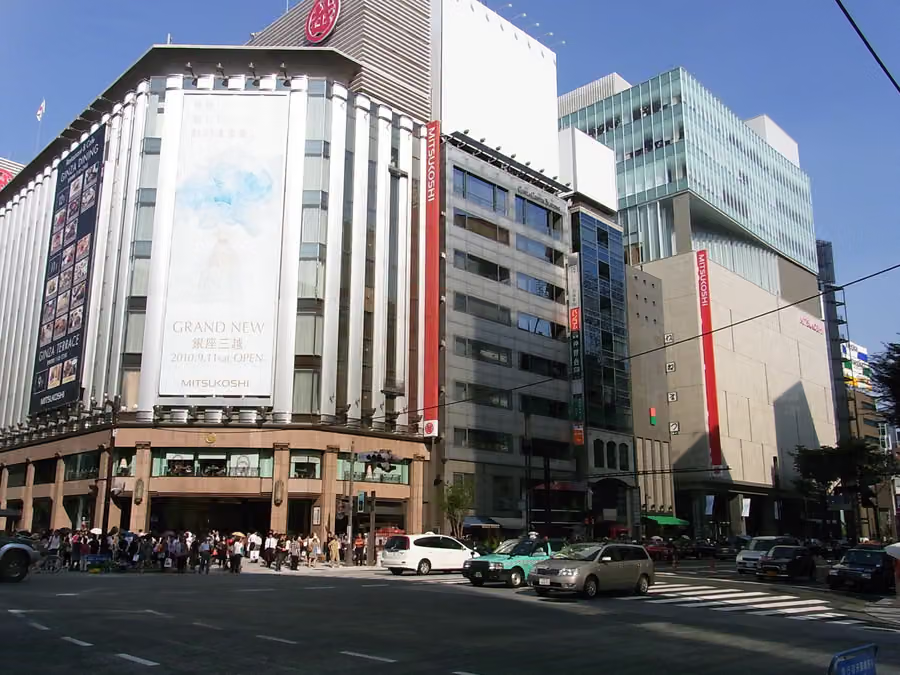
The department store on the Ginza 4-chome crossing, Ginza's most famous corner, with a bronze lion guarding the entrance. The basement food hall is the classic place for beautifully boxed sweets and gifts, and the 9th-floor Ginza Terrace is a free rooftop garden. Tax-free service and multilingual help make it easy for visitors.
Department store food halls
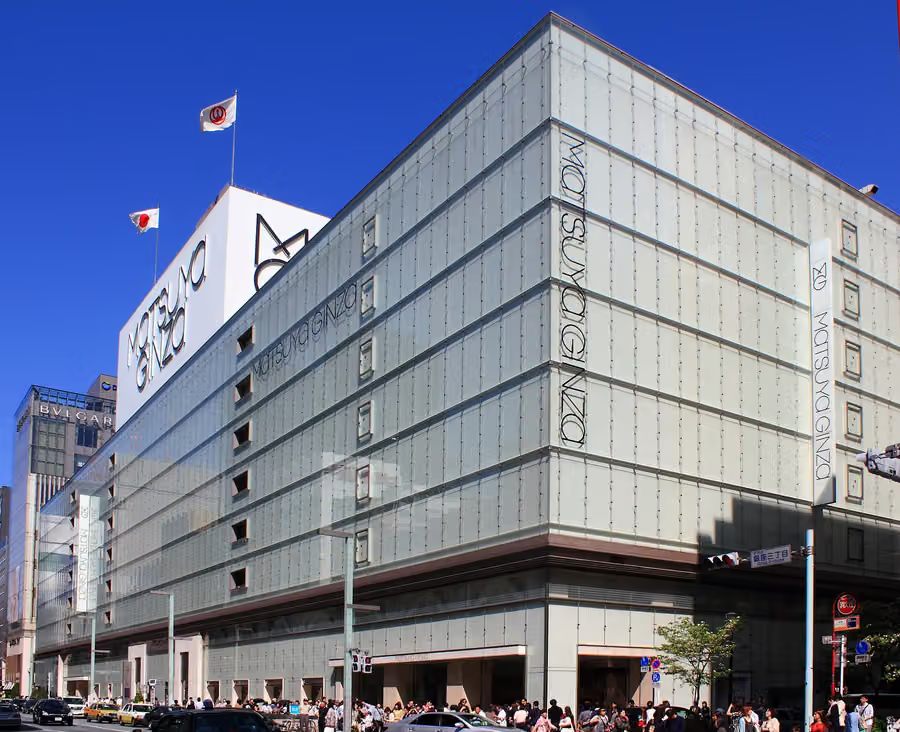
A Ginza department store on Chuo-dori since 1925. It's known for design: the 7th floor's Design Collection sells everyday objects chosen by the Japan Design Committee, a good place for well-designed gifts. The basement food hall and the luxury brands on the lower floors are also popular.
Department store food hallsArt & culture
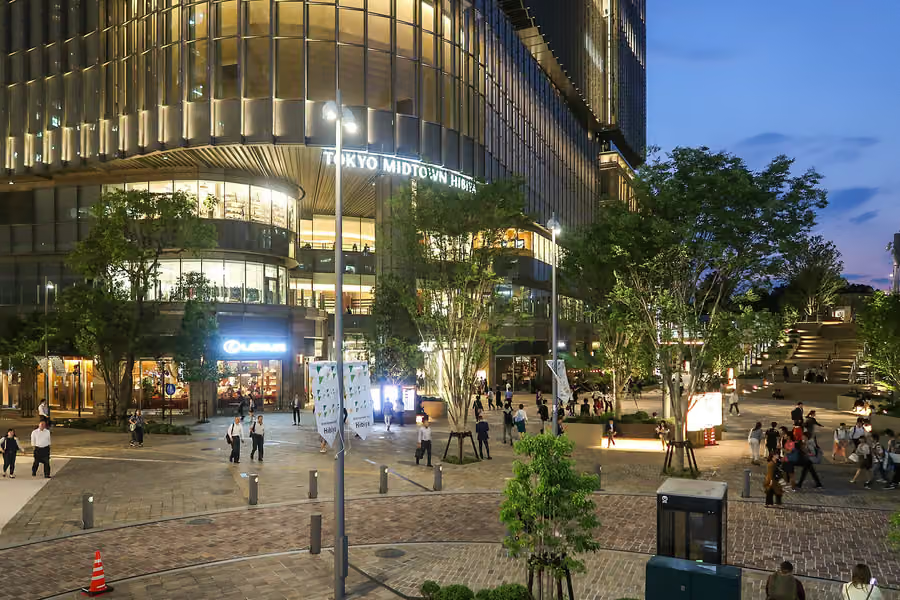
Opened in 2018 facing Hibiya Park, with a curved glass façade. The free 6th-floor Park View Garden terrace looks out over the park and the Imperial Palace greenery, a lovely spot at dusk. Inside are restaurants, shops and TOHO Cinemas Hibiya, in the heart of Tokyo's theater district.
Views
Fashion for working women in their 20s and 30s, right by Yurakucho Station on the edge of Ginza. It's part of Yurakucho Marion, the building known for its big mechanical clock: on the hour, figures appear from the clock face. The Ginza side of Marion also has cinemas.
A small complex in Hibiya's theater district, opened in 1987 and renewed in 2018. In front is Godzilla Square with a Godzilla statue, a fun photo stop (Godzilla's film studio, Toho, is based in Hibiya). Inside there are cosmetics, fashion and goods shops, and the theaters around it make it lively before and after shows.
Anime, games & characters
A shopping street inside Tokyo Station on the Yaesu side. Tokyo Character Street packs official stores for Japan's TV networks and favorite characters into one basement corridor; Tokyo Ramen Street gathers well-known ramen shops; and Tokyo Okashi Land has big snack makers with station-only sweets. Perfect while waiting for a Shinkansen.
Anime, games & charactersGood with kids
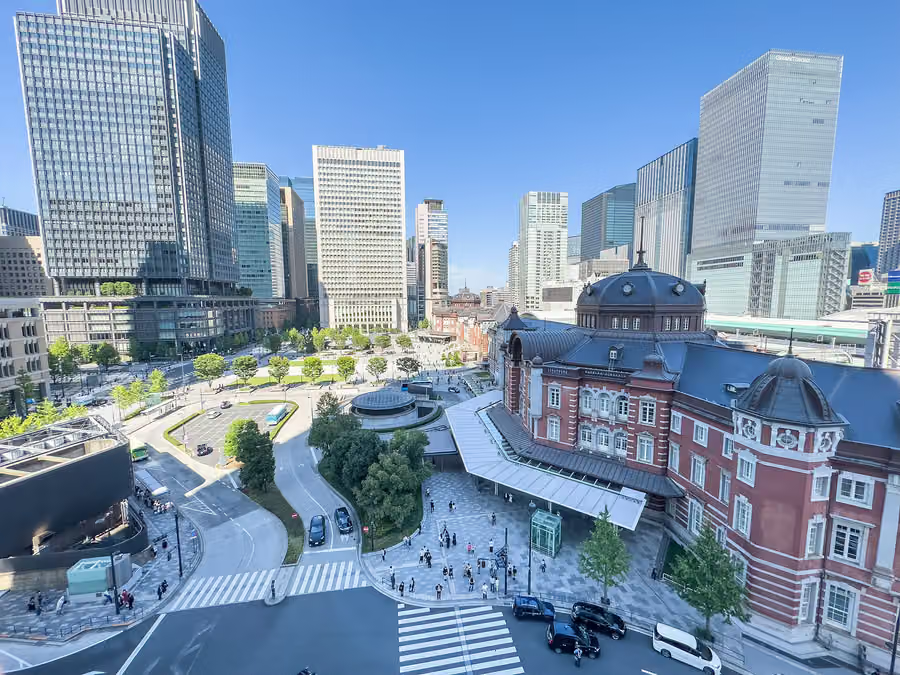
Opened in 2013 inside the preserved former Tokyo Central Post Office, right in front of Tokyo Station. The 6th-floor rooftop garden, KITTE Garden, is free and gives one of the best views of the red-brick station building and the trains. Shops focus on Japanese crafts and local goods, and Intermediatheque, a free museum run with the University of Tokyo, shows curious natural-history and science collections.
ViewsArt & culture
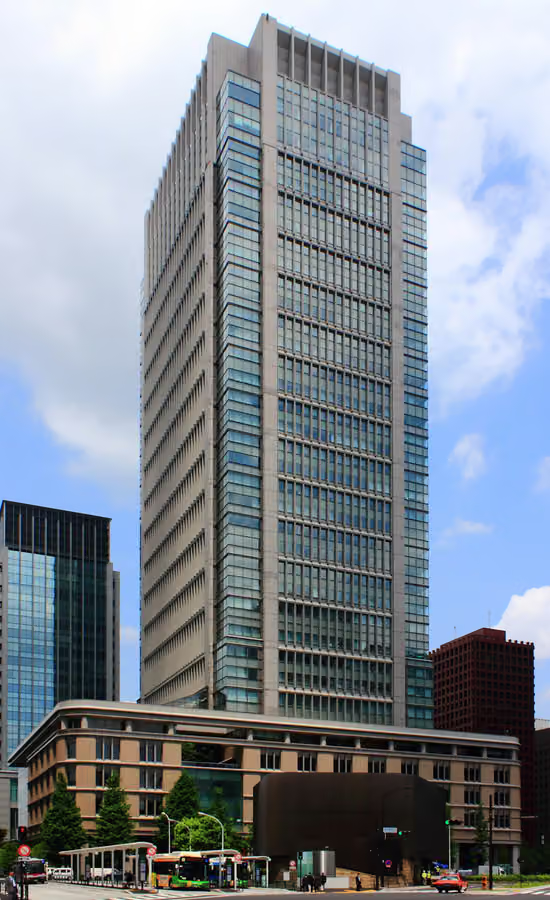
A Marunouchi landmark rebuilt in 2002, facing Tokyo Station's Marunouchi side. The lower floors hold fashion and lifestyle shops, and the restaurant floors at the top (35th–36th) look out over the Imperial Palace and the station — a smart choice for dinner with a view. The 5th-floor Marucube atrium often hosts events.
Views
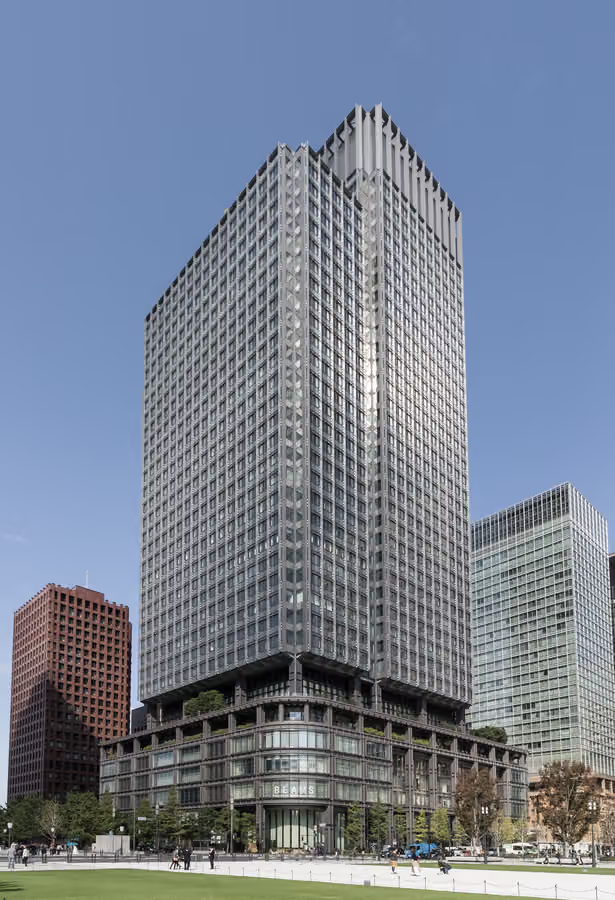
Marubiru's neighbor, opened in 2007. Its 7th floor, Marunouchi House, is a ring of restaurants and bars around an open terrace overlooking Tokyo Station, and it stays open later than most of the area — good for a drink after a day of sightseeing. The shopping floors lean toward grown-up fashion and select shops.
Views
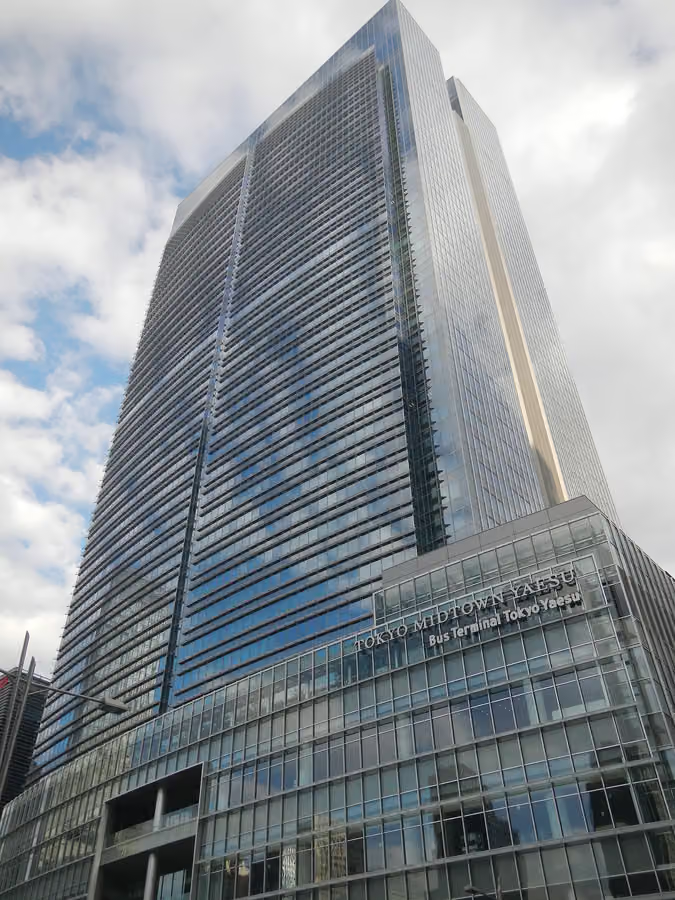
A tower on the Yaesu side of Tokyo Station, opened in 2023, joined to the station's underground mall. Its basement is Bus Terminal Tokyo Yaesu, a base for highway and airport buses, and the Bulgari Hotel Tokyo is at the top. The lower floors have casual restaurants, including the food hall-style Yaesu Public, and lifestyle shops.
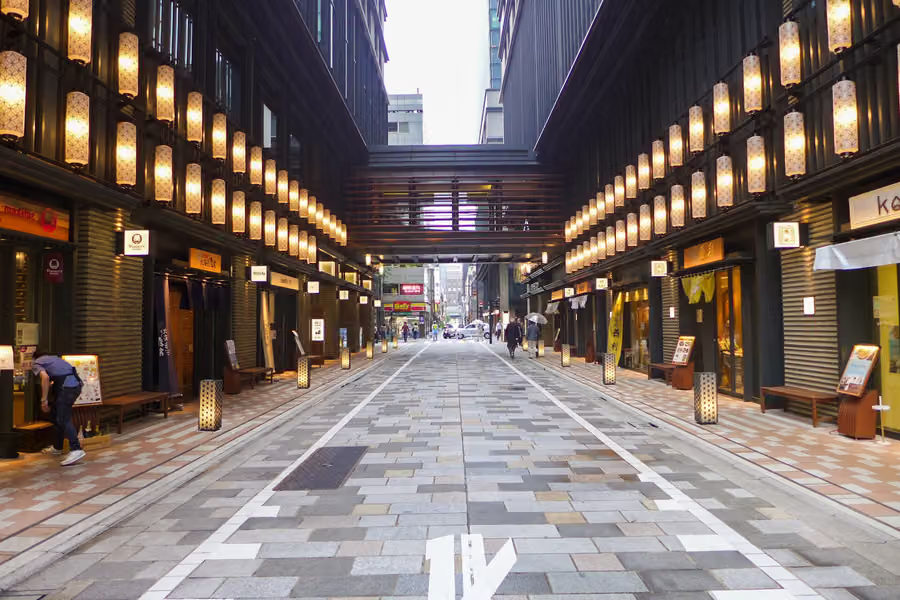
Four buildings in Nihonbashi Muromachi (opened 2010–2019) that bring old Edo-era Nihonbashi shops together with new restaurants. You'll find long-established food and craft brands, a cinema, and in COREDO Muromachi Terrace, Eslite Spectrum Nihonbashi, a branch of Taiwan's famous bookstore. Small Fukutoku Shrine sits between the buildings.
Art & culture
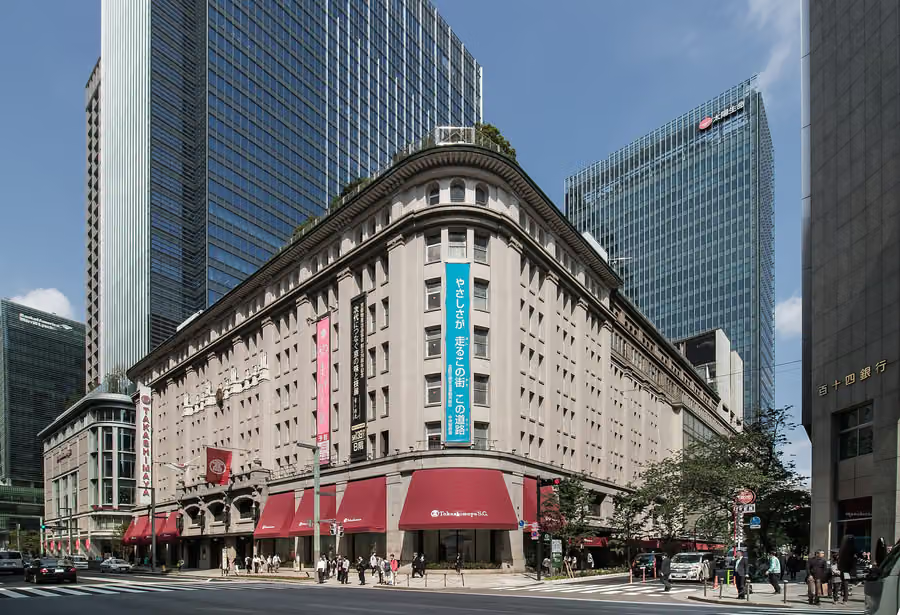
The main building (1933) was the first department store in Japan to be named an Important Cultural Property. Its marble halls, ornate ceilings and classic elevators feel like a step back in time. With the newer annex and east buildings it forms a full shopping center, and the basement food halls are among Tokyo's best for gifts.
Department store food hallsArt & culture
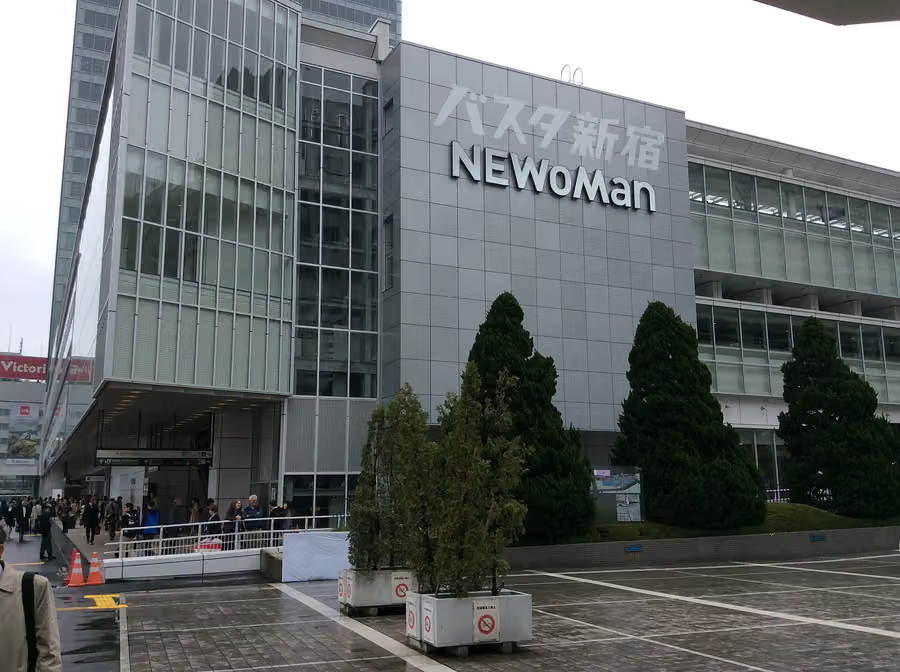
A stylish station building opened in 2016 above the New South exit, in the same complex as Busta Shinjuku, Japan's largest highway bus terminal. It's aimed at grown-up shoppers, with refined fashion, cosmetics and a food floor with cafés and bakeries that open early — useful before a long bus ride.
Often called Japan's leading fashion department store, in a 1933 building in Shinjuku-sanchome. It has a separate Men's building, and the basement food hall is one of the most famous in Tokyo, with sweets and bento from top shops. Tax-free counters and multilingual staff help visitors.
Department store food halls
Two station buildings around the South exit, full of fashion and cosmetics for women in their 20s and 30s. You can shop between trains without going outside. LUMINE 2 also has 'LUMINE the Yoshimoto', a comedy theater run by Japan's biggest comedy agency.
The station building right above the East exit, with trend-driven, affordable fashion for younger shoppers, plus restaurant floors at the top. It's a handy meeting and starting point for exploring the East side, toward Kabukicho and Shinjuku-sanchome.
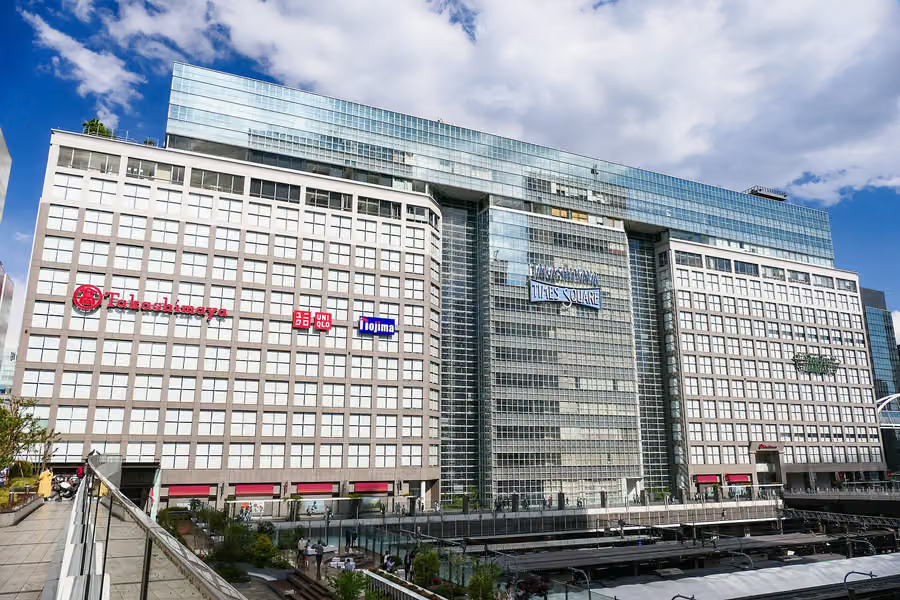
A big complex on the south side of Shinjuku Station (1996) combining JR Takashimaya department store with specialty stores. The basement food hall is a good alternative to Isetan, and the restaurant floors near the top look over the Shinjuku skyline. A deck connects it directly to the New South exit.
Department store food hallsViews
A compact building by the South-East exit, opened in 1998. Music fans head for TOWER RECORDS Shinjuku, a large store spread across several floors with Japanese and international music, idol releases and in-store events. The rest of the building is casual and sports fashion.
Art & culture
A giant complex (1978) that can fill a whole day. Sunshine Aquarium is on the roof, with penguins that seem to fly over the city; the Sunshine 60 observatory 'Tenbo Park' sits at the top of the tower; and there's Namja Town, the Manten planetarium and a theater. In the Alpa mall, Pokémon Center Mega Tokyo is a magnet for fans (entry may be limited, so check the official site).
ViewsGood with kidsAnime, games & characters
A station building on the west side of Ikebukuro Station with fashion, cosmetics and goods for women in their 20s and 30s, plus restaurant floors at the top. Easy to pop into between trains, and less hectic than the big department stores next door.
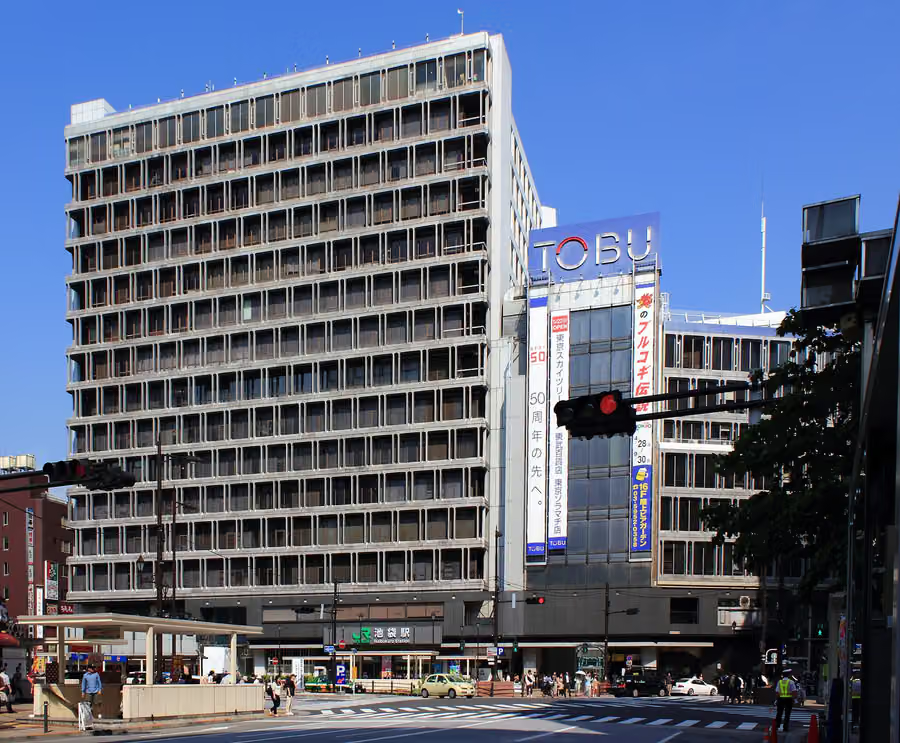
One of Japan's largest department stores by floor area, on the west side of Ikebukuro Station above the Tobu Tojo Line. The huge basement food hall is great for bento and sweets, and the restaurant floors near the top (Restaurant Spice) offer dozens of choices, from sushi to tonkatsu, in one place.
Department store food halls
The big department store on the east side of Ikebukuro Station, open while a large renovation continues. In June 2026 a Yodobashi Camera electronics store opened in the same building, so you can shop for cameras and gadgets as well as the famous basement food hall in one stop. Floor layouts are changing during the work, so check the floor guide.
Department store food halls
The shopping town at the foot of Tokyo Skytree (2012), with more than 300 shops. Sumida Aquarium and the Konica Minolta Planetarium 'Tenku' are inside, and there are character stores and a Japanese souvenir zone. The restaurant floors include the 30th and 31st floors, where you can eat with a view of the city.
Good with kidsAnime, games & charactersViews
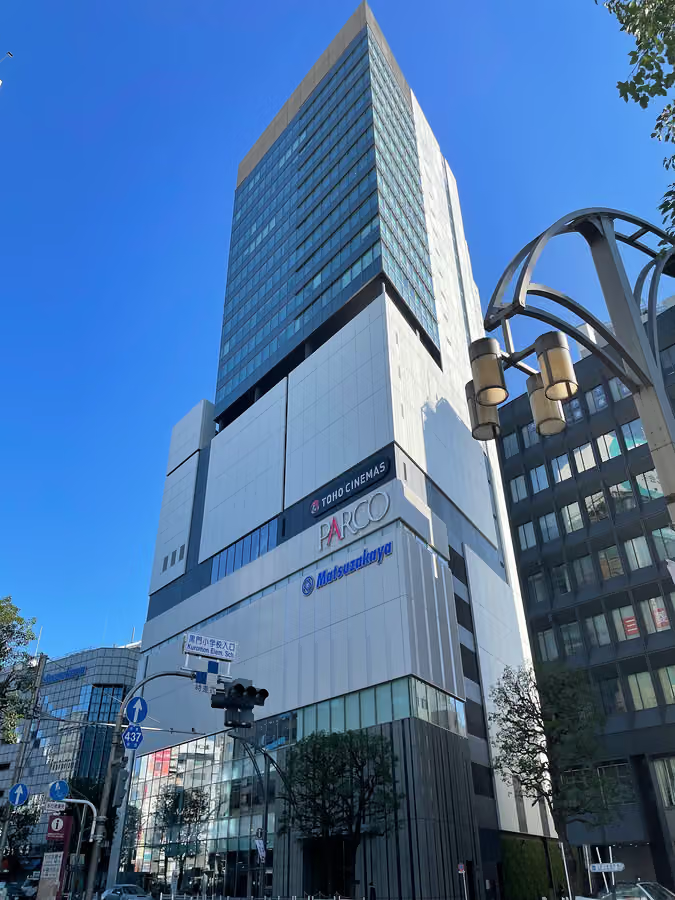
A 'grown-up' PARCO opened in 2017 next to Matsuzakaya Ueno, a department store with more than 200 years of history (the name 'PARCO_ya' is a nod to its neighbor). Floors 1–6 hold quality fashion, lifestyle shops and restaurants; the basement food floor connects with Matsuzakaya's, making one of the biggest food zones in the Ueno-Okachimachi area. TOHO Cinemas Ueno is upstairs.
Department store food halls
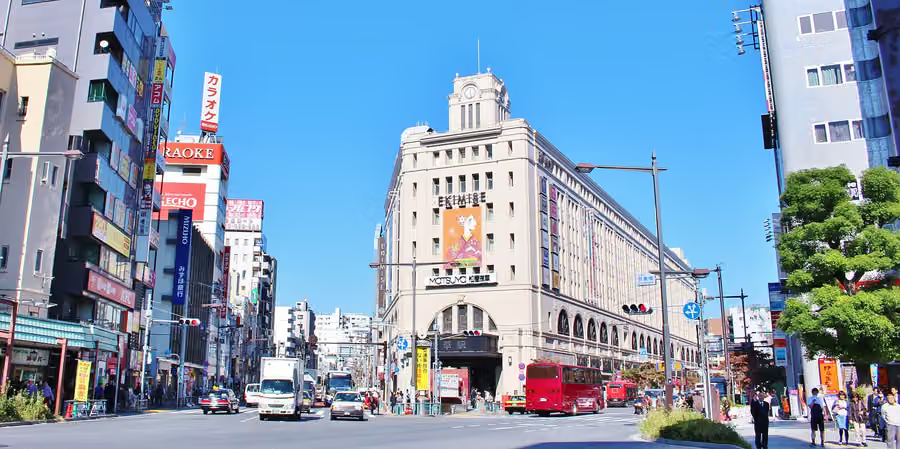
The Tobu Asakusa station building, whose 1931 façade was restored to its original look in 2012. The Matsuya Asakusa department store fills the lower floors, and the rooftop 'Asakusa Hare Terrace' is a free open-air spot with a great view of Tokyo Skytree across the Sumida River — a nice break after Senso-ji.
ViewsDepartment store food halls
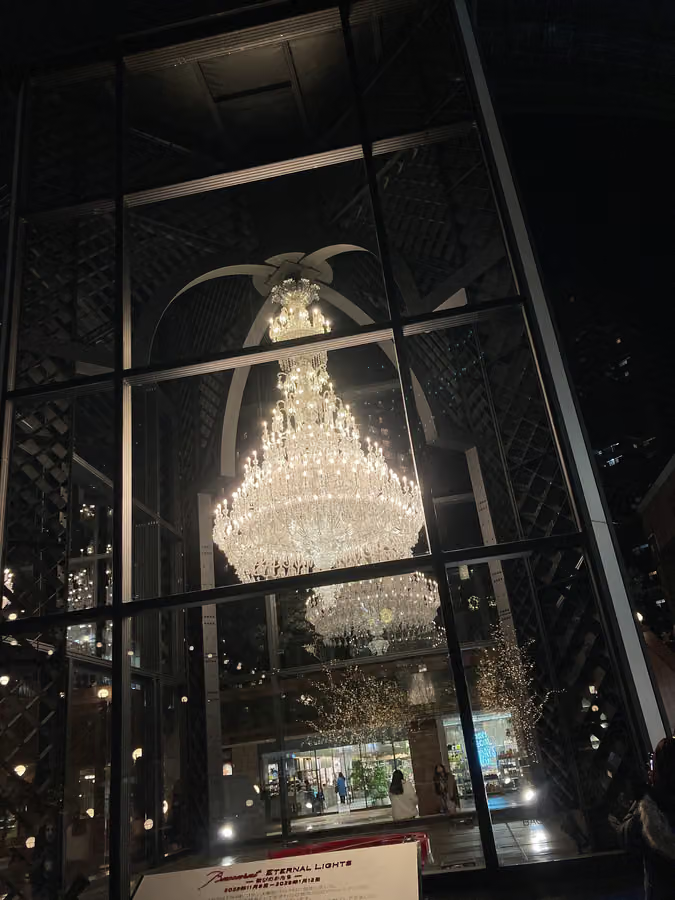
Built in 1994 on the site of the old Yebisu beer brewery, with European-style brick buildings around a big plaza. YEBISU BREWERY TOKYO brews and pours Yebisu beer on site, the Tokyo Photographic Art Museum is here, and the château-style building houses Joël Robuchon's restaurant. In winter the plaza is famous for the giant Baccarat chandelier.
Art & cultureViews
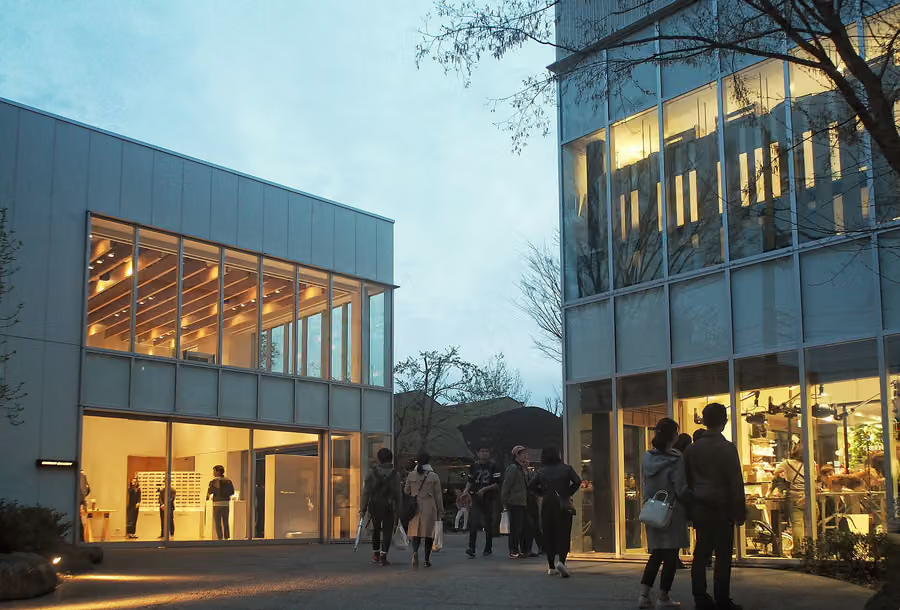
Three low buildings with a woven 'T' pattern on their walls, joined by walkways and surrounded by trees (2011). At the center is Daikanyama Tsutaya Books, a bookstore known worldwide for its design, with deep collections of travel, art, cooking and car books and a café where you can browse. A relaxed place to spend a slow afternoon.
Art & culture
Opened in October 2023 right outside Daikanyama Station. The main building, designed by Kengo Kuma's office, wraps shops, restaurants and homes in wooden lattices and greenery, and the small wooden TENOHA building next to it houses a café and event space built with timber from Japanese forests. Small, but a good example of new green architecture in Tokyo.
Art & culture
About 700 m of shops and restaurants under the elevated train tracks at Nakameguro, opened in 2016. More than 30 places line the passage under a single long roof, including Nakameguro Tsutaya Books and popular bakeries, cafés and bars. It's just a few minutes from the Meguro River, so combine it with a riverside walk, especially in cherry blossom season.
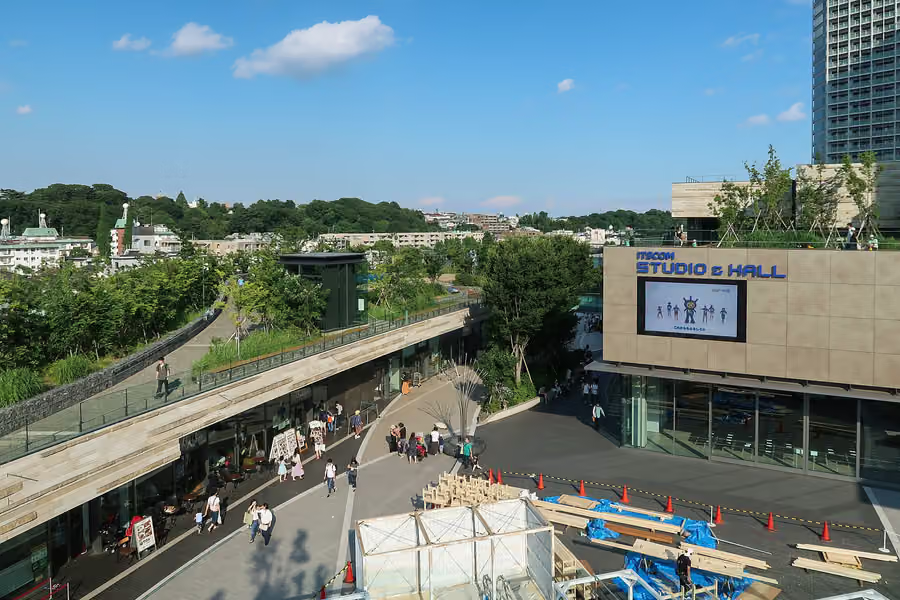
A big, open-air style complex beside the Tama River (opened in stages from 2011), popular with local families. There's a rooftop garden, a cinema, and Futako Tamagawa Tsutaya Electrics, which sells home appliances in a bookstore-like setting with a café. The riverside park and the riverbank are a short walk away.
Good with kidsViews
Odaiba's big mall (2012), best known for the life-size Unicorn Gundam statue in front, which transforms and lights up at set times. Inside, THE GUNDAM BASE TOKYO is a huge Gunpla (Gundam model) store, and Godzilla Store Daiba (opened 2025) sells Godzilla goods. There's also a large food court and plenty of casual fashion.
Anime, games & charactersGood with kids
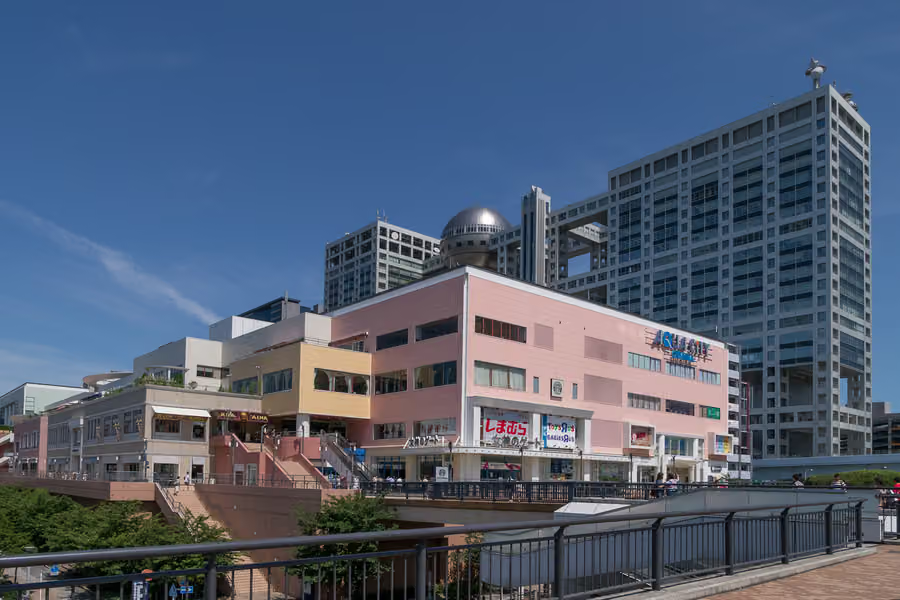
A seaside mall facing Tokyo Bay, with decks looking out at the Rainbow Bridge and Odaiba's Statue of Liberty replica — especially beautiful at night. Tokyo Ramen Kokugikan Mai gathers ramen shops from around Japan, and a cinema and many restaurants with bay views make it a good dinner stop.
Views
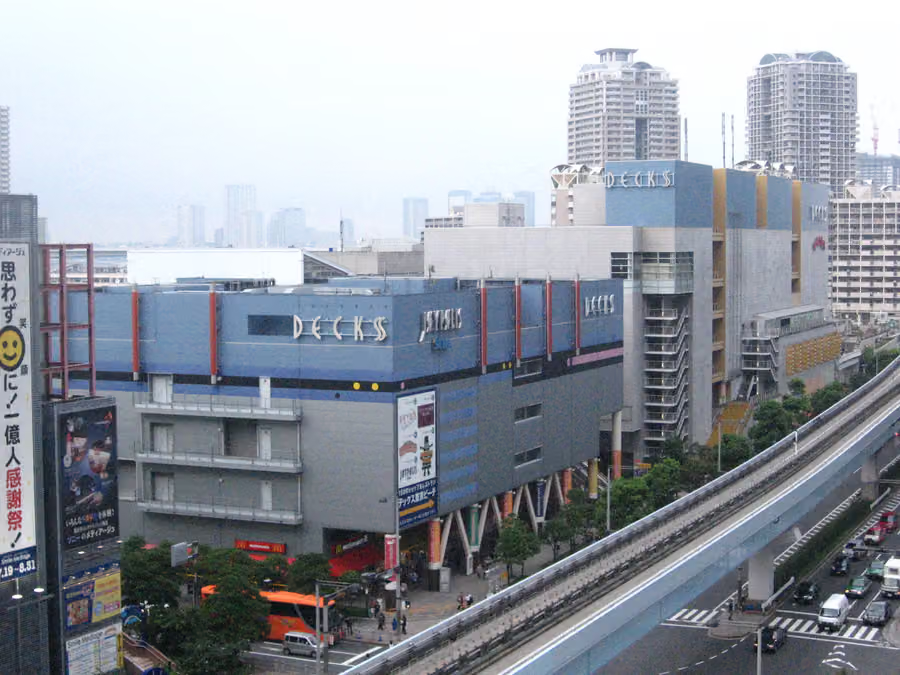
A wooden-deck mall on the waterfront, packed with indoor fun for rainy days. Tokyo Joypolis is a big indoor amusement park (its new Joypolis Sports X opened in July 2026), and there's LEGOLAND Discovery Center Tokyo and Madame Tussauds Tokyo. Daiba Itchome Shotengai recreates a nostalgic Showa-era shopping street with retro games and snacks.
Good with kidsViews
A 2020 waterfront complex beside the Hamarikyu Gardens and the bay. Its theater building is home to the Shiki Theatre Company's Haru and Aki theaters, where Japanese-language musicals run long seasons. Restaurants with terrace seats face the water, and the Takeshiba ferry terminal for the Izu Islands is nearby.
Art & cultureViews
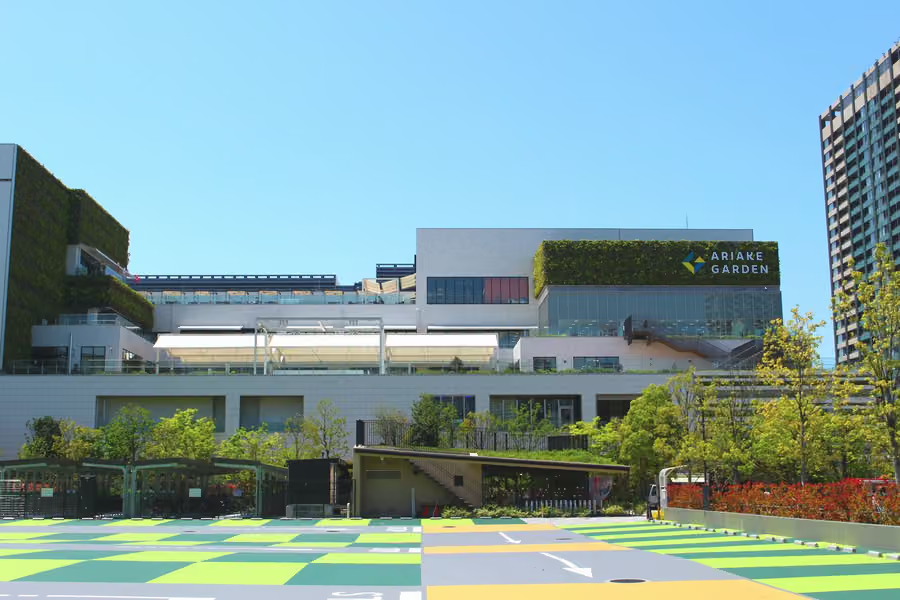
One of the bay area's largest complexes (2020), with around 200 shops and restaurants. Tokyo Garden Theater is a big concert hall, and 'Izumi Tenku no Yu Ariake Garden' is a hot-spring spa where you can soak after a day of shopping — handy after events at nearby Tokyo Big Sight. There's also a hotel and wide open lawns for kids.
Hot spring or bathhouseGood with kids
A waterfront mall (2006) built on the site of an old shipyard, with the former dock turned into a seaside plaza. Families love KidZania Tokyo, where children try real-life jobs in a mini city. The bay-side terraces are pleasant at sunset, and teamLab Planets and Toyosu Market are nearby.
Good with kidsViews
A complex joined to Haneda's international Terminal 3 (fully opened in 2023), with Japanese shops and restaurants, two hotels and a bus terminal. Its highlight is 'Izumi Tenku no Yu Haneda Airport', a hot-spring spa with an open-air bath on the top floor looking toward the runways and, on clear days, Mt. Fuji. Great for a last soak and souvenir run before a flight.
Hot spring or bathhouseViews
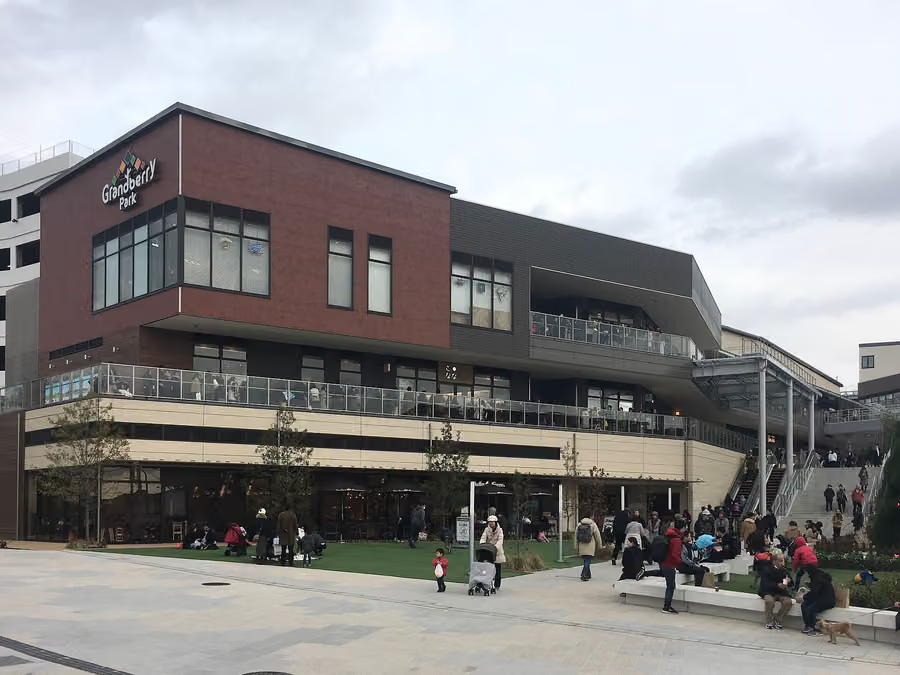
A big open-air mall with outlet stores in Machida, south-western Tokyo (2019), joined to Tsuruma Park. Peanuts fans come for the Snoopy Museum Tokyo, which changes its exhibitions regularly. About 40 minutes from Shibuya on the Tokyu Den-en-toshi Line — a good day out with kids.
Good with kidsAnime, games & characters
A green, park-like district (2020) next to the huge Showa Kinen Park, with a stepped water cascade running through the middle. SORANO HOTEL is known for its rooftop infinity pool facing the park and, on clear days, the mountains; Tachikawa Stage Garden hosts concerts. Restaurants and cafés open onto the open-air walkways.
Views
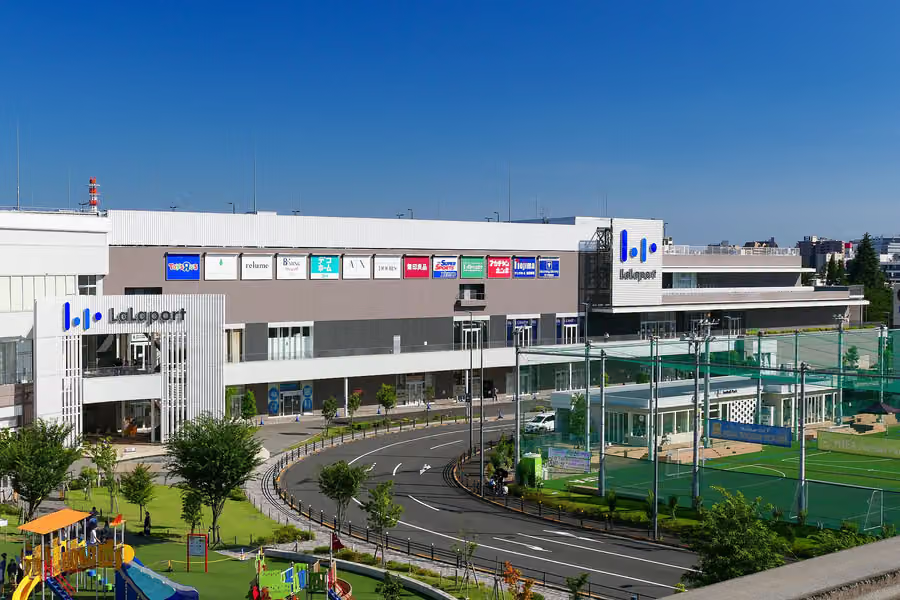
A large regional mall (2015) right by Tachihi Station on the Tama Monorail, with a wide mix of fashion, kids' and everyday shops and a big food court. It's an easy add-on to a day at Showa Kinen Park or GREEN SPRINGS, one monorail stop from Tachikawa-kita.
Good with kids
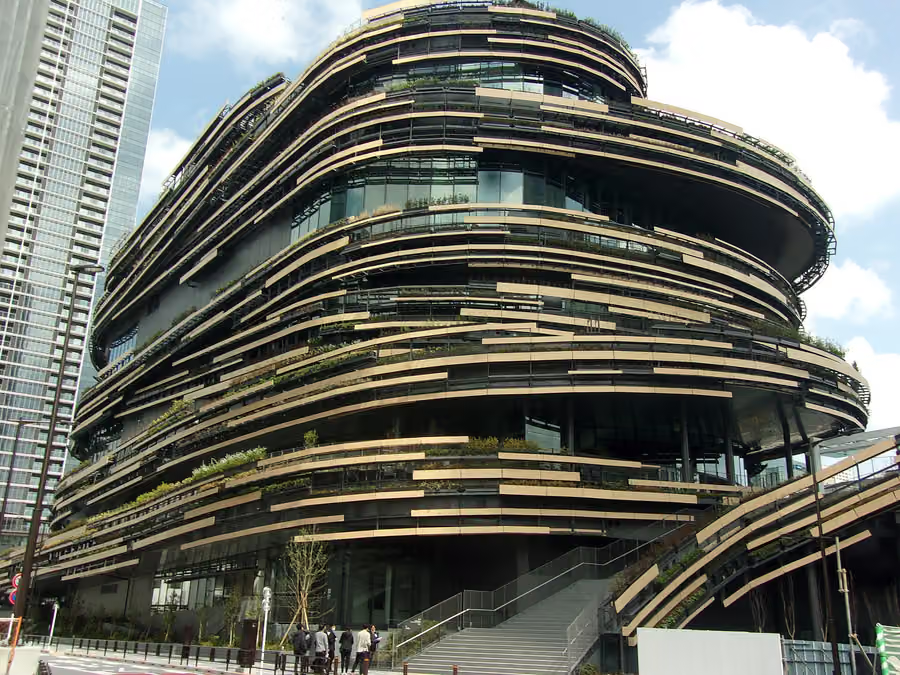
JR East's huge new district in front of Takanawa Gateway Station, which opened in stages and fully opened on March 28, 2026. Its shopping heart is NEWoMan TAKANAWA, LUMINE's largest-ever complex, with fashion and lifestyle shops, the casual MIMURE building, and LUFTBAUM on the 28th–29th floors (about 150 m up), a sky-garden restaurant floor with city views. MoN Takanawa, a cultural venue with an exterior by Kengo Kuma's office, hosts exhibitions, live shows and Japanese culture experiences.
ViewsArt & culture
A large JR East complex opened on March 28, 2026, on the west side of Oimachi Station, with its own 'Tracks exit'. Around 80 shops and restaurants line an open-air mall you stroll through, and there's TOHO Cinemas Oimachi (the first TOHO Cinemas in Tokyo with Dolby Cinema), a sauna and bath facility, and Hotel Metropolitan. The rooftop bar on the 26th floor looks out toward Tokyo Tower, Skytree and Haneda Airport.
ViewsHot spring or bathhouse
Jiyugaoka's biggest new complex, opened on September 17, 2026, right by the station. About 59 shops fill the basement to the 5th floor, including the supermarket Meidi-ya and long-loved local names that reopened here on their old sites, such as the cake shop Jiyugaoka Montblanc and the soba restaurant Yabu Izu. There's a Starbucks with a share lounge, and the 5th floor is a children's floor.
Good with kids
A small, stylish complex by AEON Mall, opened in October 2023 on the site of a supermarket that served Jiyugaoka for about 52 years (the Peacock Store is back inside). Around 26 specialty shops and cafés suit Jiyugaoka's relaxed, grown-up mood, and the large rooftop terrace is a nice place to sit with a coffee.
Views
A redevelopment by the Nihonbashi bridge, with a main tower about 284 m tall (completed in September 2026). The former COREDO Nihonbashi, which closed on October 15, 2026, will reopen as its shopping zone, and the Waldorf Astoria Tokyo Nihonbashi hotel will be on the upper floors.
📅 Grand opening planned for autumn 2027
Official site ↗Tokyu Plaza Ginza was renamed GinzaNovo in December 2025 and is now under a large renovation. Flagship stores and some other shops stay open during the work, which is planned to finish between late 2027 and early 2028. Check the official site for which shops are open.
📅 Renovation to finish late 2027 – early 2028 (some shops open)
Official site ↗A tower about 385 m tall under construction next to Tokyo Station's Nihonbashi exit. When finished it will be Japan's tallest building, with shops, a large hall, an observation facility and a luxury hotel on the top floors.
📅 Completion planned for 2028
Official site ↗A 48-story, roughly 260 m tower being built where the Odakyu department store's main building stood, by Odakyu, Tokyo Metro and Tokyu Land. It will have shops, offices and a viewing facility, along with new decks linking the station. Odakyu's department store keeps trading in the Shinjuku West Exit HALC building meanwhile.
📅 Completion targeted for fiscal 2029
Official site ↗The second stage of Shibuya Scramble Square, being built over Shibuya Station next to the East building (home of SHIBUYA SKY). The Central and West buildings and their shops are planned for fiscal 2031, part of Shibuya Station's long redevelopment, which is due to be fully finished in fiscal 2034.
📅 Planned for fiscal 2031
Official site ↗Shops and opening hours change often. Check the official site before you go. Places marked 🚧 Coming soon are still being built or renovated; their dates are plans and may change.
It depends on what you want. Shibuya and Harajuku are best for trends and pop culture, Ginza for luxury brands and department stores, Shinjuku and Ikebukuro for huge station-side department stores, and Tokyo Station for souvenirs and character shops. Odaiba's malls add sea views and indoor attractions.
GINZA SIX's rooftop garden, Ginza Mitsukoshi's Ginza Terrace, KITTE Marunouchi's rooftop garden (looking at Tokyo Station), the Park View Garden at Tokyo Midtown Hibiya and the rooftop of Asakusa EKIMISE (facing Tokyo Skytree) are all free.
Many department stores and malls offer tax-free shopping for visitors, From November 1, 2026 the system changes: you pay tax at the store and get it refunded when you leave Japan. Bring your passport and check each store's guide.