Japan Etiquette Cheat Sheet: Do's and Don'ts for Travelers
Published: 2026-10-07
Nobody in Japan expects visitors to be perfect. Still, knowing a few key points makes your trip much smoother. Here are the do's and don'ts, scene by scene.
The short answer: a quick cheat sheet
| Where | ⭕ Do | ❌ Don't |
|---|---|---|
| On the train | Phone on silent, line up to board | Phone calls, loud conversations |
| On the street | Carry your trash, smoke in designated areas | Smoking while walking, littering |
| At restaurants | Say "itadakimasu" and "gochisosama" | Leave a tip |
| In shops | Put money on the tray | Take photos without permission |
| Homes and ryokan | Take off shoes at the raised entrance | Wear slippers on tatami mats |
| Shrines and temples | Bow lightly at the torii gate | Walk boldly down the center of the path |
| Hot springs | Wash before getting in | Put your towel in the bath |
When in doubt, "Sumimasen" is the magic word. Use it to get attention, to apologize and even to say thanks.
Table manners
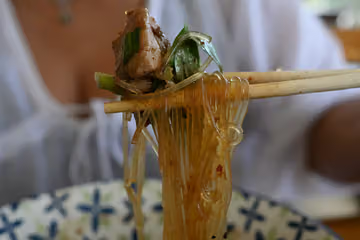 Slurping is fineSlurping ramen or soba noisily isn't rude at all.
- Saying "itadakimasu" before eating and "gochisosama (deshita)" afterward is always appreciated.
- At many ramen shops you buy a meal ticket from a ticket machine at the entrance before you sit down.
- The wet towel (oshibori) is for your hands. Avoid wiping the table or your face with it.
Where to take off your shoes
Slippers are usually provided, but take them off too before stepping onto tatami. Toilets have their own slippers, so remember to switch back when you leave.
Shrines and temples
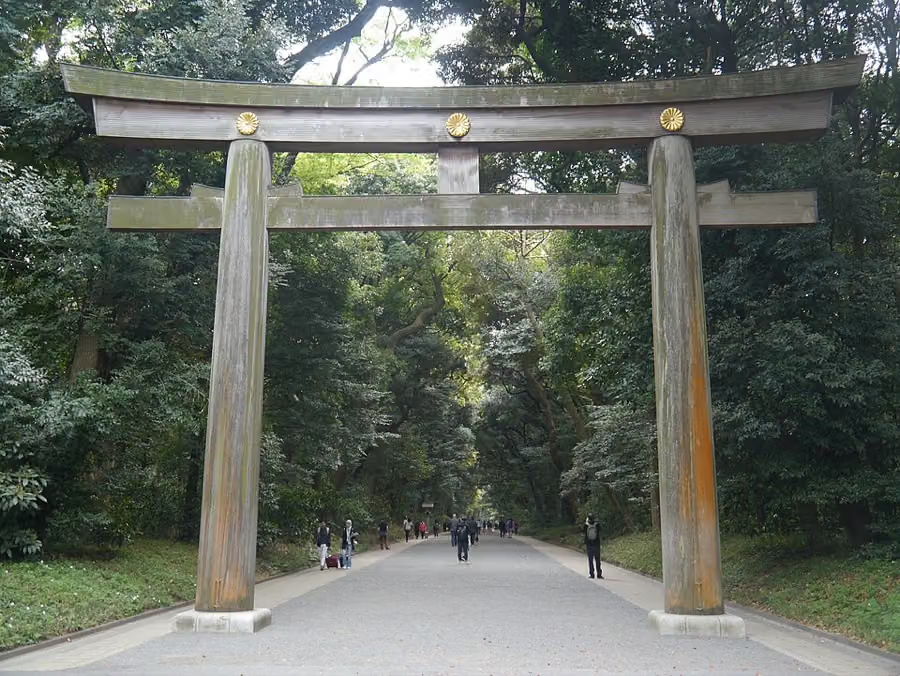
 Visiting a shrineBow lightly at the torii gate, and rinse your hands and mouth at the water basin before you pray.
- At shrines the basic prayer is "two bows, two claps, one bow".
- At temples, don't clap: just put your hands together quietly.
Some halls don't allow photos inside. Look for signs.
Hot springs and public baths
Keep your towel out of the water. Put it on your head or leave it outside the bath.
Some baths refuse guests with tattoos. Others allow them or let you use cover stickers, so check before you go.
Finding a trash bin
"Where are all the bins?!" is a classic visitor complaint. For reasons including security and upkeep, Japan has few bins on streets and in stations.
| Where | What you can throw away |
|---|---|
| Convenience stores | Bins in front of or inside the store, mainly for trash from things you bought there. No household trash |
| Next to vending machines | Recycling boxes for plastic bottles, cans and glass bottles only. Nothing else |
| Stations | Some have sorted bins, often inside the ticket gates |
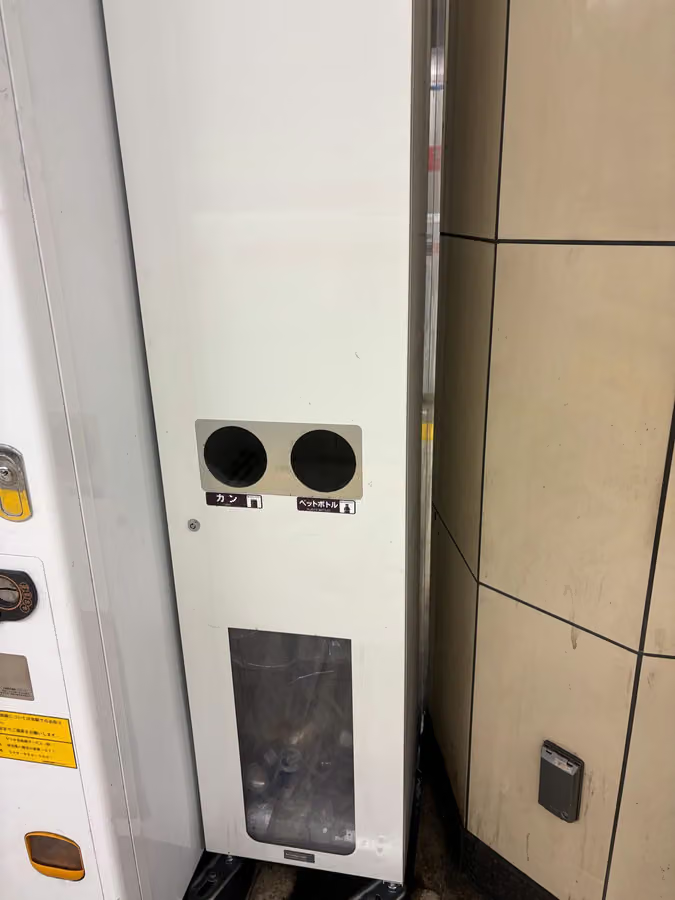
Bins for cans and plastic bottles only at a station. You'll usually find them right next to vending machines.
Carry a small plastic bag for your trash and empty it where you're staying. It's the easiest way.
- Bins are split into burnable trash, plastic bottles, and cans and bottles. Follow the pictures on the labels.
Gifts and omiyage etiquette
When you're invited to a Japanese friend's home or meeting someone who has helped you, bringing a small gift (temiyage) is appreciated.
| What to bring | Sweets or specialties from your home country go down well. Something that starts a conversation beats something expensive. |
|---|---|
| How to give it | Take it out of the shopping bag and hand it over with both hands. It's more polite to give it once you're shown into the room, not at the door. |
| What to say | Something like "dozo" (please, go ahead). Japanese people sometimes say "tsumaranai mono desu ga" (it's only something small), but a smile is enough from a visitor. |
| When you receive one | Take it with both hands and say thank you. There's no need to give something back on the spot. |
For buying souvenirs in Japan, see "Where to buy souvenirs in Tokyo". For money as thanks, see "Do you tip in Japan?".
Good to know
- Many Tokyo wards ban smoking on the street. Smoke only in designated smoking areas.
- Small shops, and charms at shrines, can be cash only.
- Escalators: in Tokyo most people stand on the left and leave the right side open. But railway companies ask everyone to stand still rather than walk, and in summer 2026, 58 railway operators and others ran a joint nationwide campaign. Keeping one side clear is risky for people who can only hold one handrail.
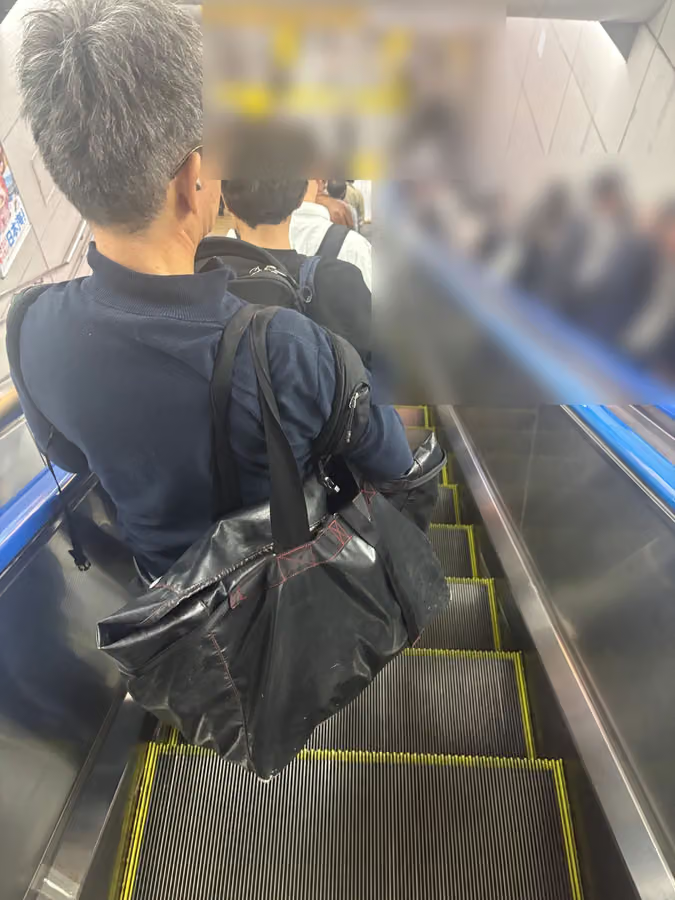
A station escalator. In Tokyo you'll see most people standing in a line on the left.
See our manners page for more tips on trains and streets.
Frequently asked questions
Do I need to tip in Japan?
No. Japan has no tipping culture, and money left on the table may be taken as something you forgot.
Is it OK to slurp ramen?
Yes. Slurping ramen and soba noodles is not rude.
Is praying different at shrines and temples?
Yes. At shrines the basic way is "two bows, two claps, one bow"; at temples you don't clap, you just put your hands together quietly.
What if I can't find a trash can?
Use the bins at convenience stores (mainly for things you bought there) or the recycling boxes next to vending machines (drink containers only). The easiest way is to carry a small bag and throw everything away at your hotel.
Can I use hot springs if I have tattoos?
It depends on the place. Some don't allow tattoos, while others accept them or let you in if you cover them with a patch, so check in advance.
What should I bring when invited to a Japanese home?
A small gift such as sweets or a specialty from your home country. Take it out of the bag and hand it over with both hands.
Official websites
- Japan National Tourism Organization (JNTO): Japanese manners and etiquette
- Tokyo Sento (Tokyo Sento Association): how to use a public bath
- GO TOKYO (Tokyo's official travel guide)
- Fukuoka Prefecture: escalator "stand still" campaign (Japanese)
Hours, prices and rules can change. Check the official websites for the latest before you go.
Read next
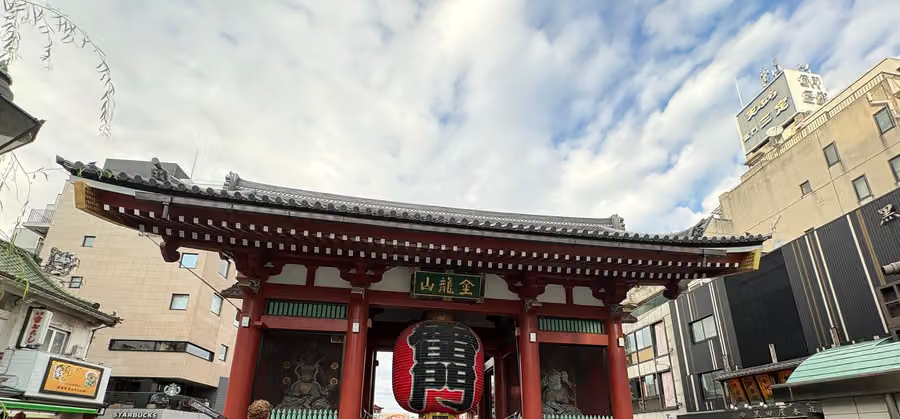 Tokyo in 2 Days: A Two-Day Itinerary for Old Tokyo, Akihabara, Shibuya and ShinjukuTwo days in Tokyo: spend day one in the old east side (Asakusa, Skytree, Ueno and Akihabara) and day two in the busy west (Meiji Jingu, Harajuku, Shibuya and Shinjuku at night).2026-11-21
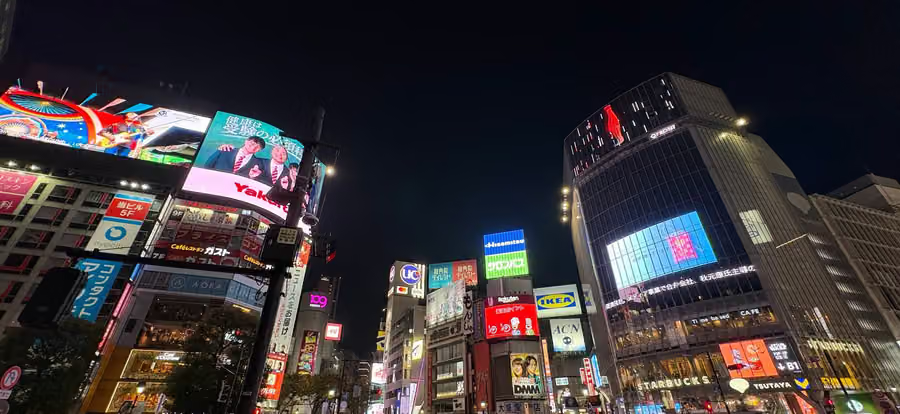 Tokyo in One Day: A One-Day Itinerary from Asakusa to Shibuya and Shinjuku at NightOnly one day in Tokyo? Start at Senso-ji in Asakusa, ride one subway line straight to Harajuku and Shibuya, and finish with a free night view and dinner in Shinjuku.2026-11-20
15 Free Things to Do in Tokyo: Observation Decks, Shrines and Temples, Parks and WalksTokyo has plenty to enjoy without spending a yen: the free observation deck at the Tokyo Metropolitan Government Building, Senso-ji and Meiji Jingu, which cost nothing to visit, and parks full of seasonal color. Here they are, with photos we took walking around.2026-11-19