Kimono Rental in Tokyo: A Kimono Stroll in Asakusa, How Rental Works and Kimono Etiquette
Published: 2026-10-09
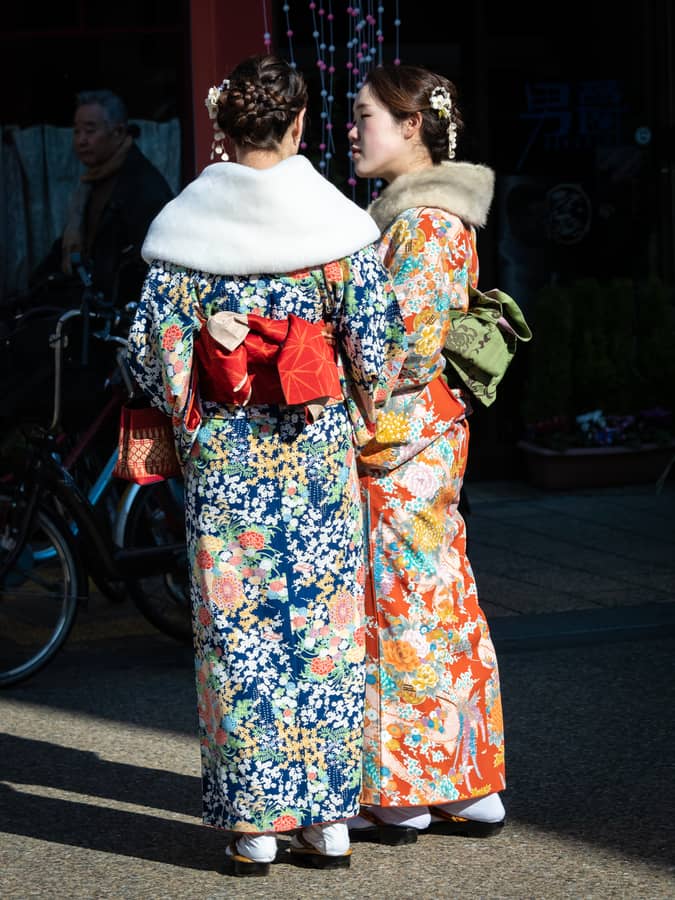
Want to wander Asakusa in a traditional Japanese kimono? With a kimono rental, you just turn up and a professional dresses you. Here's how renting works, kimono vs. yukata, the best walking route, and the etiquette worth knowing.
The short answer
| Kimono rental | |
|---|---|
| Where? | In Tokyo, Asakusa has by far the most rental shops |
| How? | Book, go to the shop, choose a kimono and obi, and the staff dress you. Bring nothing |
| Where to walk | Kaminarimon, Senso-ji, Nakamise-dori and along the Sumida River |
| The golden rule | The left side goes on top (a "y" shape to others). Don't miss your return time |
Popular shops, weekends and the cherry-blossom and autumn-leaf seasons book up fast, so reserve as soon as your dates are set.
Why kimono rental is so popular with visitors
A kimono is a traditional garment that's hard to put on yourself: tying the obi and dressing properly take real skill. At a rental shop, a professional dresses you, so it's easy even the first time. With temples and old streets as your backdrop, you'll take some of the best photos of your trip.
Kimono vs. yukata
| Kimono | Yukata | |
|---|---|---|
| Season | All year | Summer (fireworks and summer festivals) |
| Fabric | Silk or synthetic, worn in layers | Light cotton, worn as a single layer |
| Footwear | Tabi socks and zori sandals | Bare feet and geta clogs |
| Feel | Elegant and dressy | Cool and casual |
In summer, many rental shops offer yukata plans. Heading to a fireworks show in a yukata is a classic Japanese summer experience.
How kimono rental works
- Book: on the shop's official site or a travel booking site. Many shops take bookings in English.
- Choose your kimono: pick your favorite colors and patterns from a wide range of kimono and obi.
- Get dressed: the staff dress you. There's almost nothing you need to do.
- Hair styling: some plans include a hairstyle to match your kimono.
- Explore: leave your clothes and bags at the shop and go sightseeing.
- Return: be back at the shop by the set time. Some shops offer next-day return.
Asakusa is the place to rent
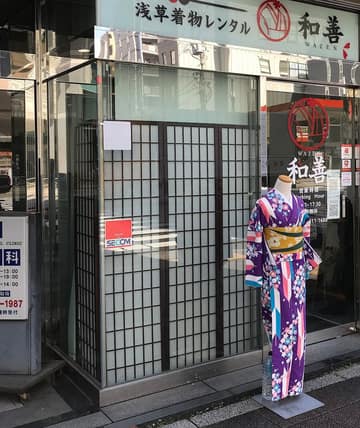 Kimono rental shops in AsakusaThere are several rental shops around Kaminarimon, many with English signs and menus, so it's easy for visitors.
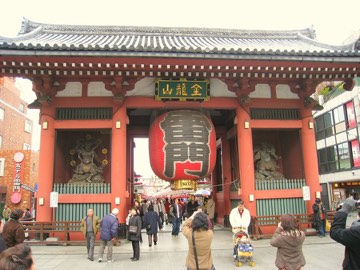 AsakusaSenso-ji, Nakamise-dori and more: the scenery here suits a kimono perfectly.
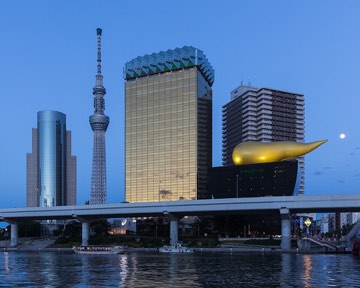 Tokyo SkytreeA kimono photo with the Skytree in the background, seen from near the Sumida River, is a must.
See our Asakusa page for more sights.
A kimono walk through Asakusa
- Kaminarimon: start with a photo in front of the giant red lantern.
- Nakamise-dori: the shopping street leading to Senso-ji, lined with souvenir and sweet shops.
- Senso-ji: said to be Tokyo's oldest temple. Pray at the main hall.
- Denboin-dori and the back lanes: streets with an old Edo feel, perfect for calmer photos.
- Sumida River: finish by the river with the Skytree behind you.
Kaminarimon gets crowded from late morning. For photos without crowds, go early.
Touring Asakusa by rickshaw in your kimono is popular too.
Tips and etiquette for wearing a kimono
Left over right
A kimono is worn with the left side (as you look down) on top. To others, the collar forms a lowercase "y". The opposite, right over left, is how the dead are dressed, so be careful.
Selfies taken with the front camera can flip the image, making it look like right over left. Don't panic when you look back at your photos.
How to move
- Take small steps. Big strides make the hem come apart.
- On stairs, lift the hem slightly.
- The sleeves are long, so hold them back when eating or using the toilet.
- If your kimono comes loose, most shops will fix it if you pop back in.
Temple and street manners
- Keep quiet where people are praying, such as Senso-ji's main hall, and don't let photos get in the way of worshippers.
- On Nakamise-dori, don't eat while walking: eat in front of the shop where you bought it. It also keeps your kimono clean.
- Stopping for photos on narrow streets blocks other people.
Check before you book
| What to check | Points |
|---|---|
| What's included | Kimono, obi, sandals, bag, undergarments. Make sure it's a full set |
| Hair styling | Included or extra? |
| Return time | By what time on the day? Is next-day return possible? |
| Luggage storage | Can you leave your clothes and bags? |
| Sizes | Options for tall people, men and children? |
| Rainy days | Rainy-day options and the cancellation policy |
Wear a thin top with a wide neckline to the shop. It won't show under the kimono collar and makes changing easier.
Book a kimono rental in Tokyo (Klook)
Choose your date and reserve a kimono rental. Check what's included and the return time on the booking page.
Frequently asked questions
Is it disrespectful for foreigners to wear a kimono?
No. Visitors enjoying kimono are welcomed in Japan. Wear it properly, follow the etiquette, and Japanese people will be happy to see it.
Can men rent a kimono too?
Yes. Most shops have men's kimono and plans for couples and families.
Can I rent without a reservation?
Some shops accept walk-ins if they have space, but weekends and peak seasons fill up quickly. Booking ahead is safer.
How long does dressing take?
It depends on the shop and how busy it is, but choosing, dressing and hair styling together take a while. Arrive with time to spare.
What happens on rainy days?
It varies by shop. When you book, check the cancellation policy and whether they lend anything for rain.
Can I eat while wearing a kimono?
Yes. Hold back your sleeves while you eat and spread a handkerchief or napkin on your lap.
Official websites
Hours, prices and rules can change. Check the official websites for the latest before you go.
Read next
 Karate Experience in Tokyo: Beginner and Family Lessons, Tile Breaking, Dojo Etiquette and Karate's HistoryKarate, the martial art loved all over the world, was born in Okinawa, Japan. In Tokyo, you can join a karate lesson made for visitors or try kawara-wari, smashing a stack of roof tiles with your bare hand. Here are the kinds of experiences, how a lesson works, dojo etiquette and karate's history.2026-10-09
 15 Most Instagrammable Spots in Tokyo: Night Views, Traditional Japan and ArtThese are the photogenic Tokyo places shared all over the world on social media. We've added the best times to shoot and the etiquette for taking photos without trouble.2026-10-08
 What to Do in Tokyo on a Rainy Day: The Best Indoor SpotsRain on your trip? No problem. Tokyo is full of indoor places where you can have a great day whatever the weather.2026-10-08