Is Tokyo Safe? Crime, What to Do in an Earthquake, and Emergency Numbers for Visitors
Published: 2026-11-22
Tokyo is known as one of the world's safest big cities, but earthquakes and typhoons mean it pays to be prepared. Here's what crime is really like, what to do in an earthquake, and the phone numbers and app to rely on if you get sick or run into trouble.
The short answer
| Situation | Who to call |
|---|---|
| Crime, accidents, lost items | 110 (police) or the nearest koban police box |
| Injury, sudden illness, fire | 119 (ambulance and fire) |
| Travel trouble (English, Chinese, Korean) | Japan Visitor Hotline: 050-3816-2787 (24 hours) |
| Earthquake and disaster alerts | The Safety tips app (Japan Tourism Agency) |
Install the Safety tips app when you arrive. It sends earthquake and tsunami alerts in many languages, including English, Chinese and Korean.
How safe is Tokyo?
- Many areas are fine to walk alone at night, and it ranks among the safer big cities in the world.
- Lost items are often handed in to a koban or the station, so ask there first if you lose something.
- Watch out for pushy touts in nightlife districts. However cheap the offer sounds, it's best not to follow them.
- On crowded trains and in crowds, keep an eye on your bags as you would in any big city.
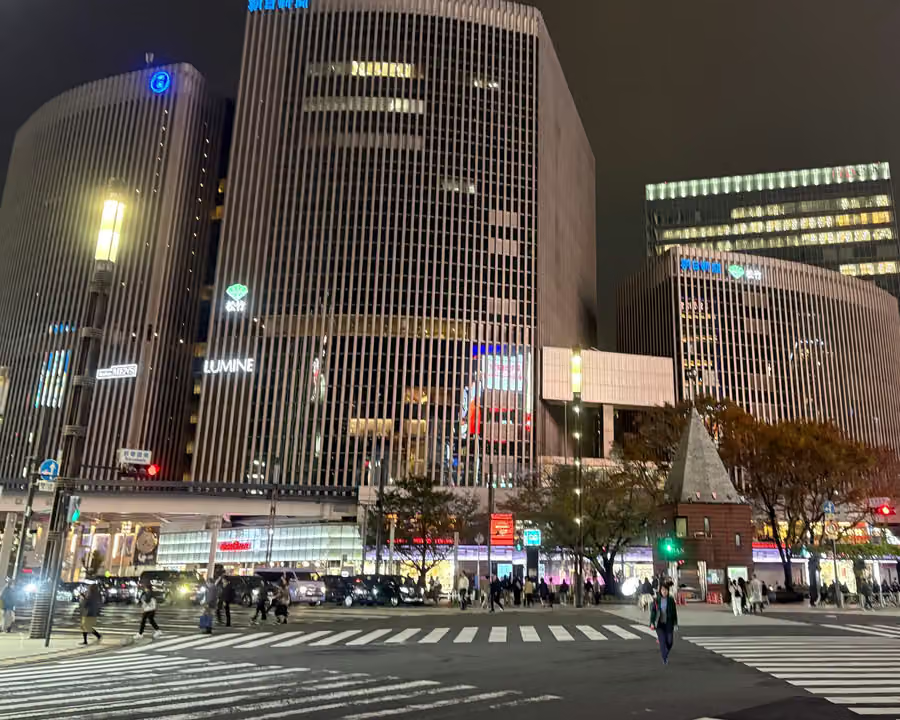
Sukiyabashi crossing in Ginza. The small building with the pointed roof is a koban (police box)
If an earthquake hits
- Protect yourself first: get under a table or shield your head with a bag against falling objects.
- Don't rush outside: signs and glass can fall while the ground is shaking.
- When the shaking stops: follow the instructions of shop or station staff. Avoid elevators.
- If you're near the sea: if there's a tsunami warning, move to high ground immediately.
Buildings in Japan are built to withstand earthquakes. Small tremors are common; stay calm and you'll be fine.
Typhoons and heavy rain
- Summer to autumn is typhoon season. Trains and flights can stop, so check the forecast often.
- On typhoon days, stay indoors. See "Rainy days in Tokyo".
If you get sick or hurt
- For sudden illness or serious injury, call 119. Ambulances are free.
- For help with hospitals or medicine, you can call the Japan Visitor Hotline.
- For minor symptoms, drugstores sell medicine. See "What to buy at convenience stores and drugstores".
As a visitor, you may have to pay hospital costs in full. Travel insurance is strongly recommended.
What visitors should actually watch for
| Rip-off bars | in areas like Kabukicho and Roppongi, following a street tout can end with a huge bill. Choose bars yourself. |
|---|---|
| Summer heat (heatstroke) | Tokyo summers are very hot and humid. Drink water often and take breaks indoors at midday. |
| Packed trains | morning and evening rush hours are crowded. Travel at other times if you have big luggage. Some lines have women-only cars. |
| Bicycles | bikes sometimes ride on the sidewalk, so stay aware as you walk. |
Earthquake prep before and after you arrive
- Check your hotel's evacuation route: a map is often posted on the inside of your room door.
- Know the Earthquake Early Warning sound: phones may blare a loud alarm just before strong shaking. When it sounds, protect yourself.
- Evacuation signs: streets have signs pointing to evacuation sites and tsunami evacuation buildings.
- Keep your phone charged: a power bank helps you keep getting updates.
How Japan prepares for earthquakes
- Tokyo lived through the 1923 Great Kanto Earthquake. September 1 is "Disaster Prevention Day", with drills held every year.
- Building earthquake standards were strengthened in 1981 and have been revised repeatedly since. Newer buildings are especially resistant.
Japanese for emergencies
| Japanese | Meaning |
|---|---|
| Tasukete kudasai | Please help me |
| Kyukyusha o onegaishimasu | Please call an ambulance |
| Michi ni mayoimashita | I'm lost |
| Eigo o hanaseru hito wa imasu ka? | Does anyone speak English? |
- Tap water is safe to drink.
Frequently asked questions
Is it safe to walk alone at night in Tokyo?
Most areas are safe. Just watch out for touts in nightlife districts.
Are earthquakes common?
Small tremors happen from time to time. Japanese buildings are built for earthquakes, so stay calm.
Is there a phone line that helps in English?
The Japan Visitor Hotline (050-3816-2787) helps 24 hours a day in English, Chinese and Korean.
What if I lose something?
Ask at the station office or the nearest koban. Items are often handed in.
Are there areas to avoid in Tokyo?
Nothing seriously dangerous, but beware of touts in nightlife districts at night, and watch your bags in crowds as in any big city.
Can I get earthquake alerts in other languages?
Yes. The Japan Tourism Agency's "Safety tips" app sends earthquake and tsunami alerts in other languages.
What is the emergency number in Tokyo?
110 for police and 119 for an ambulance or fire. Both calls are free from any phone, and they can connect an interpreter for English and other languages.
What do I need to enter Japan?
A passport valid for your stay. Many nationalities can visit for short trips without a visa, but check with the Japanese embassy in your country. Registering on Visit Japan Web before you fly makes arrival smoother. See "How to use Visit Japan Web".
Can I use my phone from home in Japan?
Most recent smartphones work in Japan. To avoid big roaming bills, use an eSIM or pocket Wi-Fi. See "Staying online in Tokyo".
Can I use credit cards in Japan?
Yes, at most hotels, department stores, chains and convenience stores. Some small restaurants, shrines and market stalls take cash only, so carry some yen. See "Paying in Tokyo".
Is it safe to travel to Japan right now?
Japan is one of the safer countries in the world. Natural disasters such as earthquakes and typhoons can still happen, though. Before you go, check your own government's travel advice and the weather forecast, and install the Safety tips app when you arrive.
Where should I watch out for pickpockets in Tokyo?
Tokyo is usually very safe, but in very crowded places, such as rush-hour trains, the Shibuya Scramble Crossing and Asakusa's Nakamise, the risk is not zero. Wear your backpack on your front and don't keep your wallet or phone in a back pocket.
What if I lose my wallet or phone?
Go to the nearest koban (police box) for help. In Japan, lost items are often handed in and returned, so don't give up. → "Lost something in Tokyo?"
My phone is dead. How do I make an emergency call?
Calls to 110 (police) and 119 (fire and ambulance) from a public phone are free and need no coins or phone card.
Official websites
In an emergency, don't hesitate to call 110 or 119.
Read next
 Tokyo in 2 Days: A Two-Day Itinerary for Old Tokyo, Akihabara, Shibuya and ShinjukuTwo days in Tokyo: spend day one in the old east side (Asakusa, Skytree, Ueno and Akihabara) and day two in the busy west (Meiji Jingu, Harajuku, Shibuya and Shinjuku at night).2026-11-21
 Tokyo in One Day: A One-Day Itinerary from Asakusa to Shibuya and Shinjuku at NightOnly one day in Tokyo? Start at Senso-ji in Asakusa, ride one subway line straight to Harajuku and Shibuya, and finish with a free night view and dinner in Shinjuku.2026-11-20
 Bringing Medication to Japan: Prescription, OTC and ADHD Medicine Rules, and the Import ConfirmationDepending on the amount and the ingredients, your travel medicine falls into one of three groups: bring it as is, get approval first, or leave it at home. Here is what to check before you fly, based on Japan's Ministry of Health guidance.2026-11-17