How to Order Conveyor-Belt Sushi and Ramen in Japan: Touch Panels, Ticket Machines and Noodle Firmness
Published: 2026-11-18
Conveyor-belt sushi uses a touch panel; most ramen shops use a ticket machine at the door. You can order at both without speaking Japanese. Here's every step from sitting down to paying, and the spots where first-timers get stuck.
The short answer
| Conveyor-belt sushi | Ramen shop | |
|---|---|---|
| Ordering | Touch panel at your seat (in English) | Many shops use a ticket machine at the entrance |
| Paying | After you eat (some have self-checkout) | First, at the machine (some shops after) |
| Eating alone | Totally normal (counter seats) | Totally normal |
| Handy words | "Okaikei" (the check) | "Katame" (firm), "futsu" (regular), "yawarakame" (soft), "kaedama" (extra noodles) |
Both are places where eating alone is completely normal, so walk right in.
How to order conveyor-belt sushi
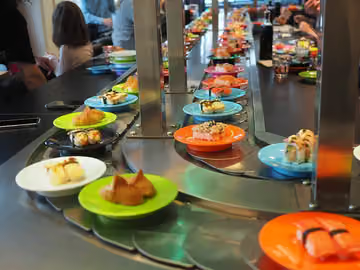 Conveyor-belt sushiAffordable, and you can try lots of fish a little at a time. Big chains have English menus.
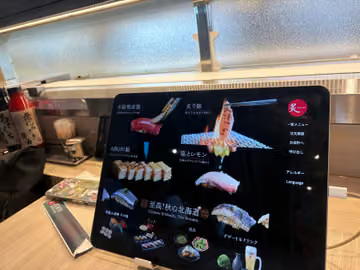 Order on the touch panelSwitch the screen to English and tap to order. Your plates arrive on a dedicated express lane.
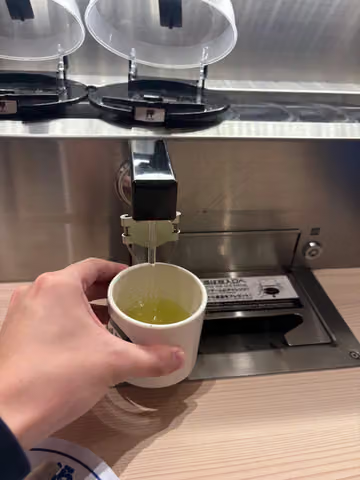 Make your own teaPut the powdered tea in a cup and fill it from the hot-water tap at your seat. The water is very hot.
- Enter your party size at the reception machine and take a number (some shops take bookings by phone app).
- At your seat, order on the touch panel. Every item has a photo, so just tap.
- Some shops ask you to tap "received" on the screen after you take your plate.
- Soy sauce, gari (pickled ginger) and wasabi are at your seat.
- When you're done, tap "Check" on the panel and pay at the register or self-checkout.
Never put a plate back on the belt once you've taken it, and don't play with shared items like the soy sauce bottles.
- Big chains: Sushiro, Kura Sushi, Hama Sushi
- At Kura Sushi, dropping empty plates into the slot at your table can win you a small prize in the "Bikkura Pon!" game, a hit with kids.
📝 Editor's note: we went
We went
We went to Kura Sushi alone one evening in November 2026. The touch panel at the seat switches between Japanese, English, Chinese (simplified and traditional) and Korean. Once we picked English, everything from ordering to paying stayed in English.
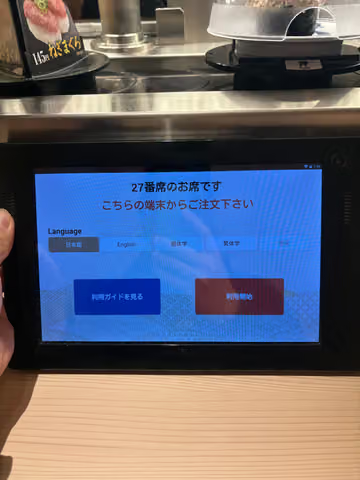 Pick your language firstWhen you sit down, a "Language" screen appears. Tap "English" and the menu and guidance switch over.
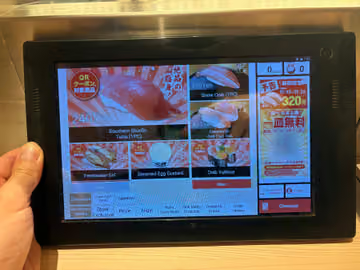 A menu with photosEach item shows a photo, its name and its price. Choose, set how many, and tap "Order".
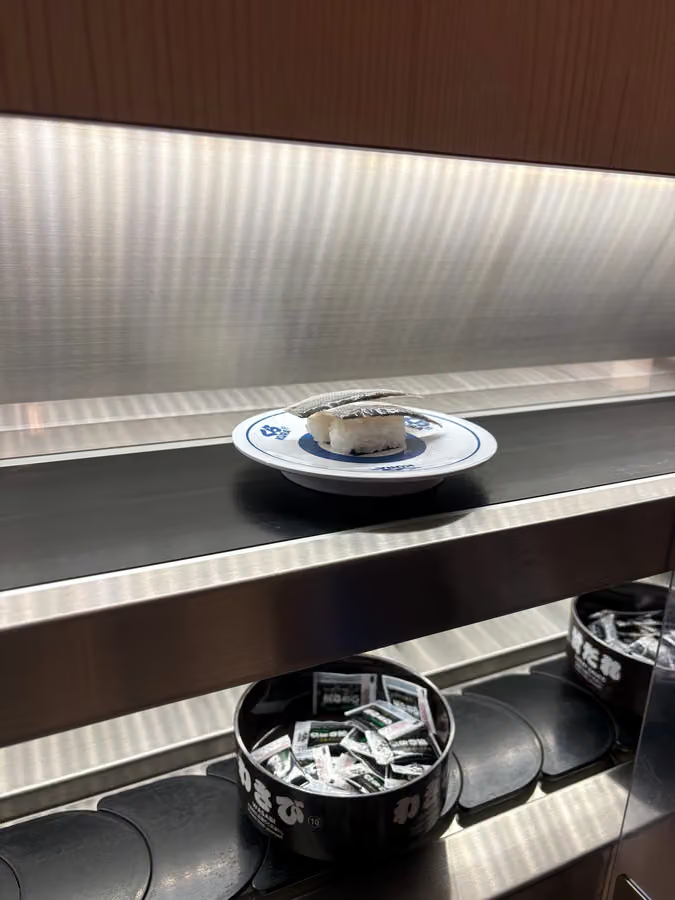
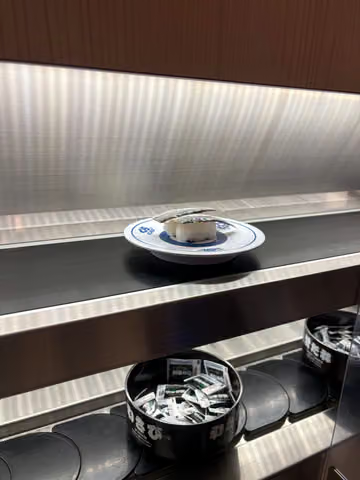 Your order rides to your seatWhat you order arrives on the upper express lane, right in front of your seat.
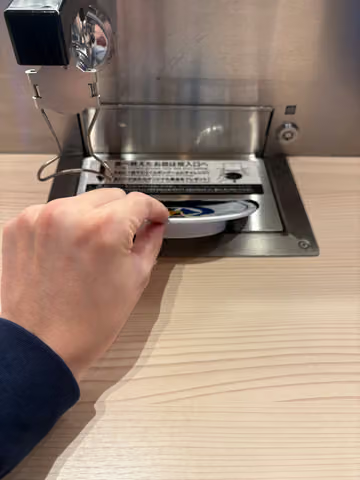 Plates go in the slotDrop finished plates into the slot at your seat. Every 5 plates, the "Bikkurapon" game starts on the screen.
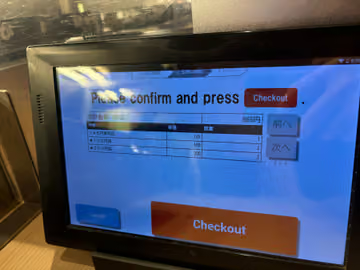 Check the total at your seatTap "Checkout" to see how many plates you put in and the total. At Kura Sushi, the bill was based on the plates in the slot.
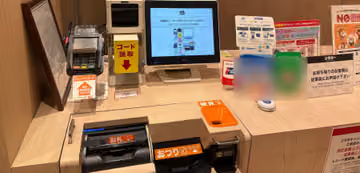 Pay at the self-checkoutScan the barcode on your slip and pay. Besides cash, it took cards, contactless and some overseas phone payments.
Don't leave plates on the lane: put them in the slot as soon as you finish, so none are missed when you pay.
How to order ramen
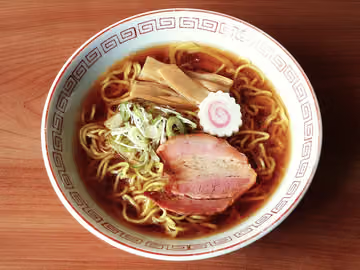 Shoyu ramenThe classic Tokyo style, clean and savory. A great first bowl.
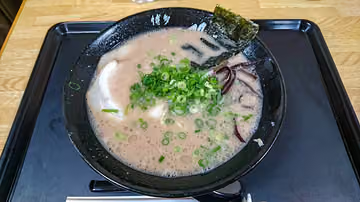 Tonkotsu ramenA rich, milky pork-bone broth with thin noodles. Many shops let you choose how firm the noodles are.
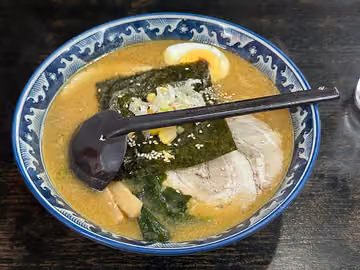 Miso ramenRich and hearty with miso. Perfect on a cold day.
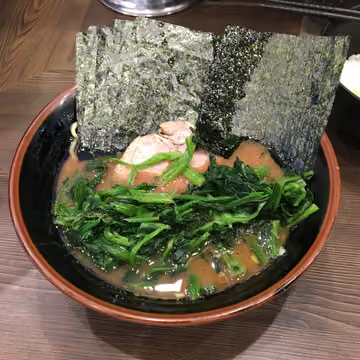 Iekei ramenYokohama-born pork-and-soy ramen topped with spinach and nori. Many shops let you choose noodle firmness, saltiness and oil (photo: Budoka in Waseda).
I had iekei ramen at Budoka in Waseda. Like all iekei, the flavor is strong, but that makes it great with rice, and you keep eating without stopping.
- At the ticket machine by the door, press the button for your ramen and buy a meal ticket. More machines have English buttons now.
- Hand the ticket to the staff at the counter. Some shops let you say "katame" (firm), "futsu" (regular) or "yawarakame" (soft) for the noodles.
- Water is usually self-service.
- When you finish, put your bowl on the counter and say "gochisosama deshita" (thanks for the meal).
Tonkotsu shops often offer "kaedama", a refill of noodles only. Save some soup for it.
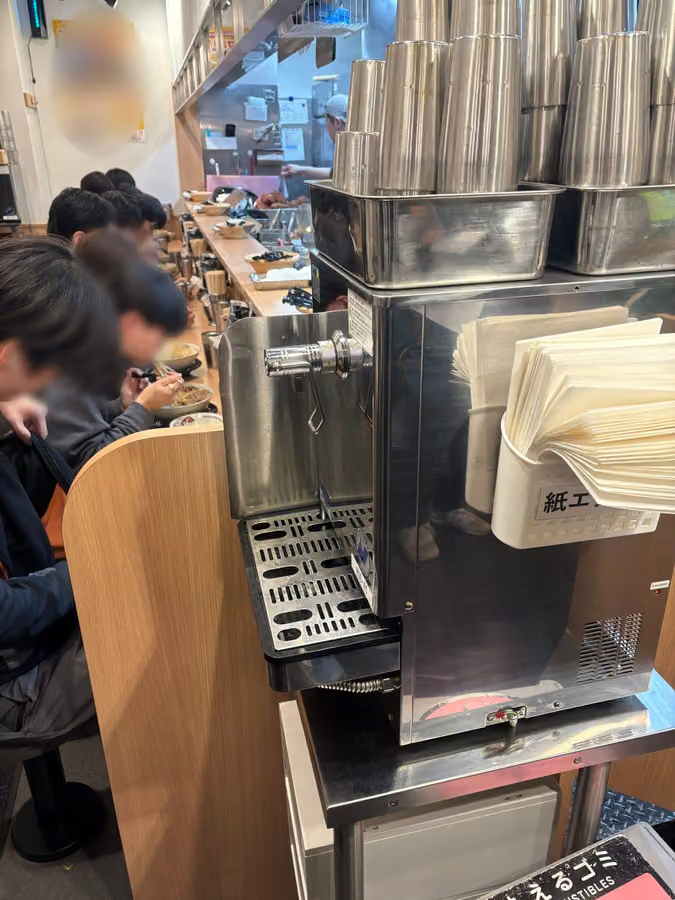
A self-service water dispenser at a ramen shop. Take a cup and pour your own water. Some shops also leave out paper bibs.
Handy words at a ramen shop
| Word | Meaning | How to use it |
|---|---|---|
| Katame (かため) | Firm noodles, boiled briefly so they keep some bite | Say "katame de" when you hand over your ticket |
| Futsū (ふつう) | Regular, the shop's standard firmness | If unsure, choose this: "futsū de" |
| Yawarakame (やわらかめ) | Soft noodles, boiled a little longer | "Yawarakame de" |
| Kaedama (替え玉) | A refill of noodles only, added to your leftover soup | Buy it at the ticket machine or say "kaedama kudasai" |
- Some tonkotsu shops also offer extra-firm options called "barikata" and "harigane".
- Slurping your noodles is perfectly fine in Japan.
- Popular shops have lines, so don't linger once you've finished.
Ichiran: ramen in your own booth
- Ichiran is a tonkotsu chain where you eat in a private, partitioned booth.
- You fill in a paper order form: flavor strength, richness, garlic, green onion, noodle firmness and more. Forms come in English and Chinese.
- Other chains popular with visitors include Ippudo and Tenkaippin.
Where conveyor-belt sushi came from
- Conveyor-belt sushi was born in Osaka in 1958, inspired by a factory conveyor belt, and turned sushi into an everyday meal.
- Today's big chains mostly take orders on touch panels and send them down an express lane. Fewer plates circulate, and your order arriving freshly made is now the norm.
- Some shops price plates by color or pattern. More and more calculate the bill from your touch-panel orders rather than by counting plates.
Easy picks for first-timers
| Topping | What it is | Tip |
|---|---|---|
| Salmon | Rich, fatty salmon | The favorite of overseas visitors |
| Maguro (akami, chutoro) | Tuna | Chutoro is fattier and softer |
| Ebi | Raw or boiled shrimp | Some come topped with tempura |
| Tamago | Sweet rolled omelet | For anyone wary of raw fish |
| Inari | Rice in sweet fried tofu | Popular with kids |
- Besides sushi, there's ramen, udon, fried chicken and desserts.
- If you avoid certain foods, check the allergen info on the touch panel. See "Vegetarian, halal and allergy-friendly food in Tokyo".
Know your ramen broth
| Broth | Taste | Common styles in Tokyo |
|---|---|---|
| Shoyu | Clean and savory | Classic "Tokyo ramen" |
| Tonkotsu | Rich and creamy | Hakata ramen, iekei ramen |
| Miso | Deep and slightly sweet | Sapporo-style shops |
| Shio | Light and clear | Shops using seafood or chicken stock |
- Tsukemen: noodles and broth come separately, and you dip the noodles. Some shops will thin your leftover broth with "soup-wari" so you can drink it.
- Toppings: chashu (roast pork), ajitama (marinated egg), nori and green onion can be added at the ticket machine.
Where people get stuck
- "Omori" (large) at the machine: portions vary a lot by shop. Start with "nami" (regular).
| Grabbing a seat | at most shops, buy your ticket before you sit. Don't save seats with your bags. |
|---|---|
| Lines at popular shops | some ask you to buy a ticket while you wait. Check the sign by the door. |
| Busy times | noon to 1 p.m. and around 7 p.m. are busiest. Go a little earlier or later. |
Frequently asked questions
Do you tip at conveyor-belt sushi in Japan?
No. Japan has no tipping culture, at conveyor-belt sushi or anywhere else: you just pay the bill. If you leave money on the table, staff may run after you to give it back.
How does paying for conveyor-belt sushi work?
When you're done, tap "Check" on the touch panel. Your plates or orders are counted, and you pay at the register or a self-checkout. At Kura Sushi, the bill was based on the plates we dropped into the slot.
What are the unspoken rules of conveyor-belt sushi?
Take a plate only if you'll eat it, and never put it back on the belt. Don't touch sushi you won't take, and don't play with shared items like soy sauce bottles and the tea tap. At busy times, leave once you've finished.
How do you eat conveyor-belt sushi?
Chopsticks or fingers are both fine. Dip the fish side, not the rice, lightly in soy sauce, and eat each piece in one bite if you can. Gari (pickled ginger) between pieces refreshes your mouth.
Can I order without speaking Japanese?
Yes. Sushi touch panels and most ramen ticket machines work by photos and buttons, and many switch to English.
Can I take plates that are going around?
Yes, you can take plates from the belt. But more shops now only send the plates you order.
Are ramen shops cash only?
Some ticket machines still take cash only. Carry a little cash to be safe. See "Cash or card in Tokyo".
Is it OK with kids?
Conveyor-belt sushi has lots of table seats and is popular with families. Some ramen shops are small, counter-only spaces.
What's the difference between conveyor-belt sushi and a sushi counter?
Conveyor-belt sushi is affordable and you order plate by plate. At a counter where a chef makes each piece, it costs more but you get seasonal fish and the chef's craft.
Is it OK to leave some ramen?
Yes. But if portions look big, choose "nami" or "sukuname" (smaller) at the machine.
Official websites
Ordering and payment differ from shop to shop. Check the signs at the entrance.
Read next
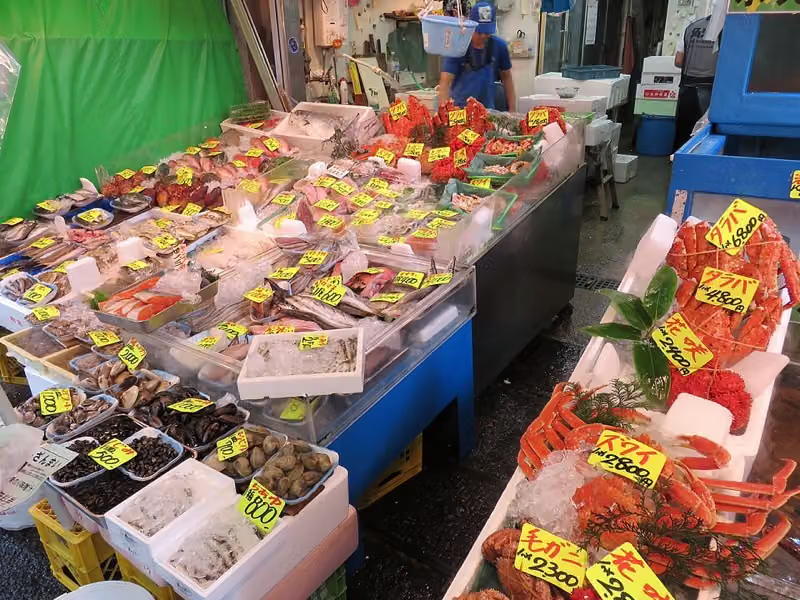 Tsukiji Outer Market Guide: Best Time to Go, Closed Days, Eating Rules and Toyosu vs TsukijiThe wholesale market moved to Toyosu, but Tsukiji's Outer Market is still packed with seafood bowls, tamagoyaki, dried goods and knife shops. Here's when to go, which days it's closed, how to eat there politely, and how it differs from Toyosu Market.2026-11-20
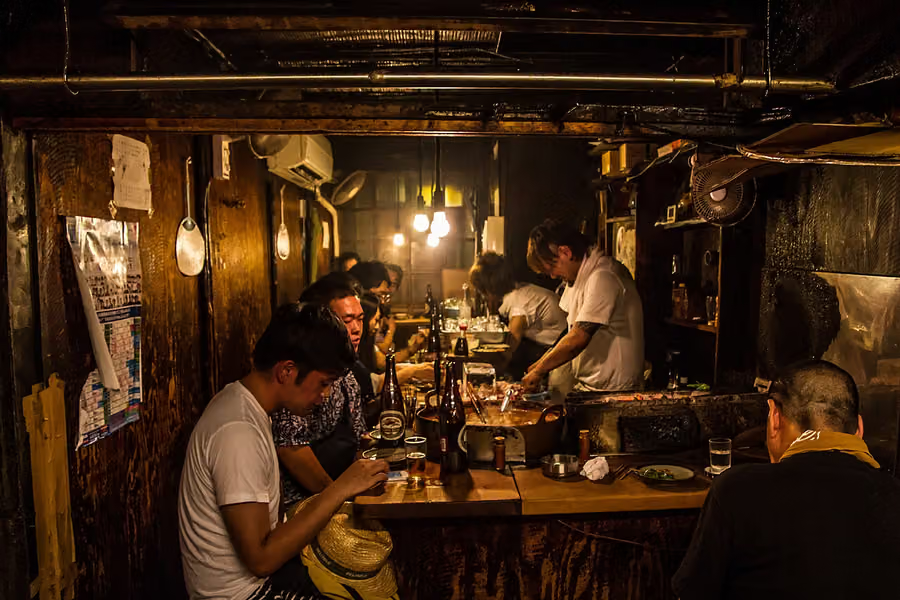 Izakaya, Standing Bars and Golden Gai: Otoshi, Ordering and the Rules of Tiny BarsAn izakaya is a must for a Tokyo night out. From "what is otoshi?" and "how do I order?" to the yokocho alleys of Shinjuku and Akabane, plus the rules of Shinjuku Golden Gai's tiny bars and bar-hopping tours, it's all here.2026-10-15
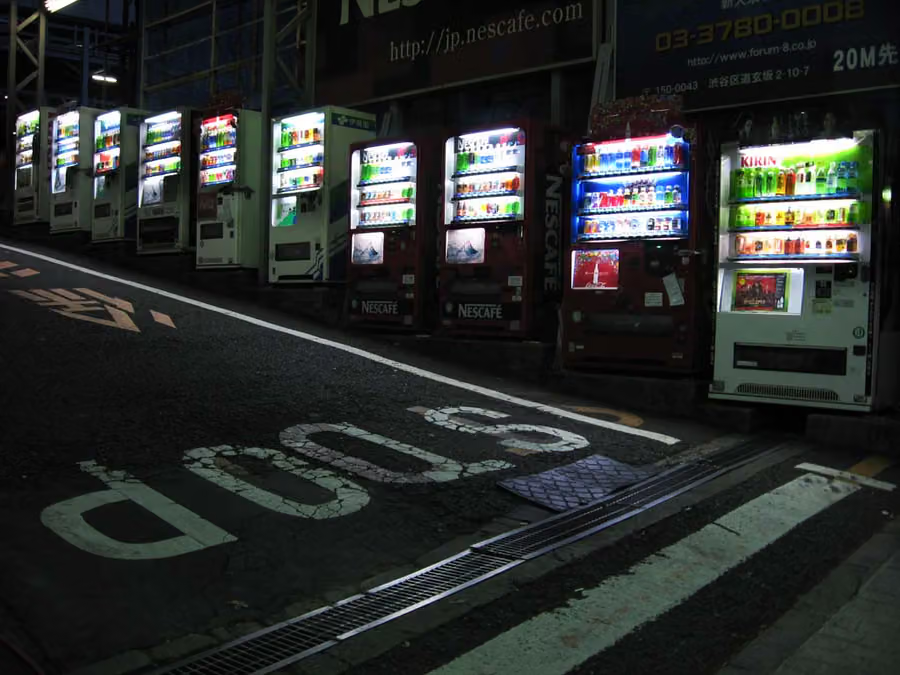 Vending Machines and Convenience Stores: Japan's Amusement Park for Snacks and Seasonal TreatsJapanese vending machines and convenience stores are mini theme parks for visitors. From hot cans in winter to limited-edition treats that change every season, here's how to enjoy them.2026-10-15