Tokyo's Traditional Year-End Markets: Senso-ji's Hagoita-ichi (Dec 17–19) and Setagaya Boro-ichi (Dec 15–16)
Published: 2026-10-15
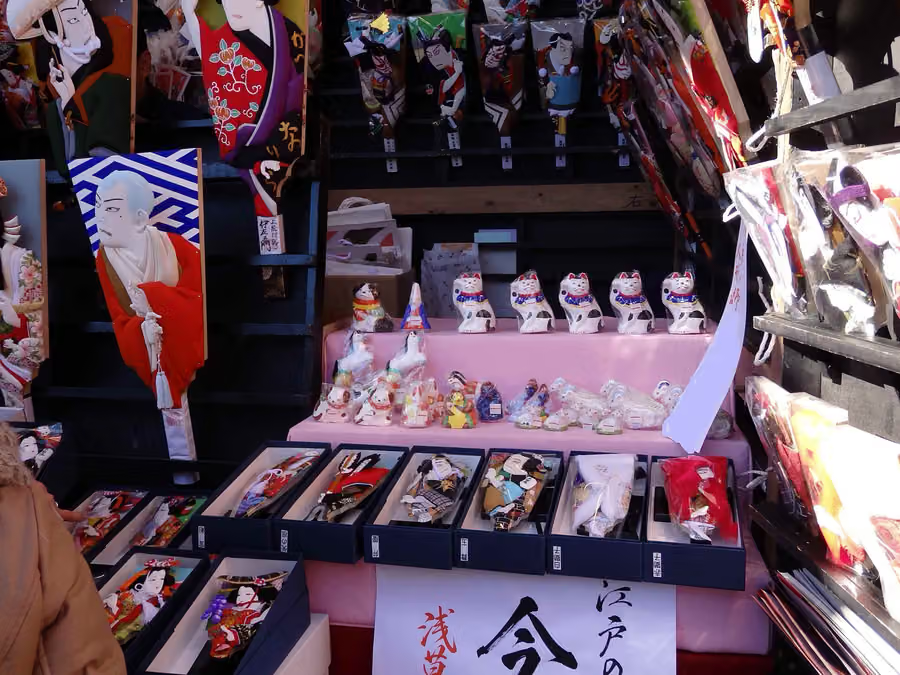
As the year winds down, Tokyo holds traditional markets dating back to the Edo period: Senso-ji's Hagoita-ichi, glittering with kabuki-themed battledores, and the Setagaya Boro-ichi, with over 400 years of history. Here are the dates and how to enjoy them.
The short answer
| Hagoita-ichi (Senso-ji) | Setagaya Boro-ichi | |
|---|---|---|
| Dates | December 17–19 every year (Thu–Sat in 2026) | December 15–16 every year, plus January 15–16 (Tue–Wed in December 2026) |
| Where | Senso-ji temple grounds | Boro-ichi Street and around, Setagaya |
| Hours | Usually morning to evening (check official info for the latest) | 9:00 to 20:00 |
| Access | A short walk from Asakusa Station (Tokyo Metro and Toei Asakusa Line) | Kamimachi or Setagaya Station (Tokyu Setagaya Line) |
Both are free to enter, and full of old-Tokyo year-end atmosphere.
Senso-ji's Hagoita-ichi
 Colorful battledoresRows of ornate hagoita (decorative paddles) featuring kabuki actors and more.
- It's fun just to look. Ask the stall holder before taking photos.
- To combine it with sightseeing, see our Asakusa page.
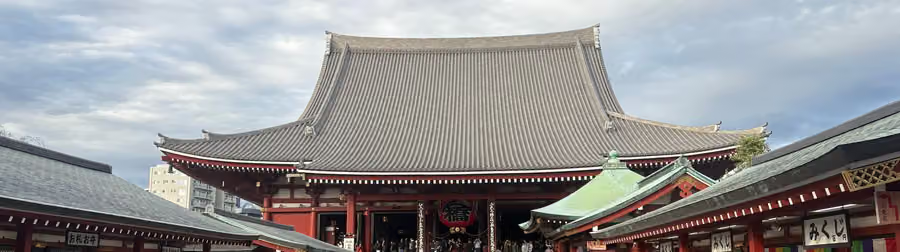
The main hall of Senso-ji. During Hagoita-ichi, battledore stalls fill the temple grounds
Setagaya Boro-ichi
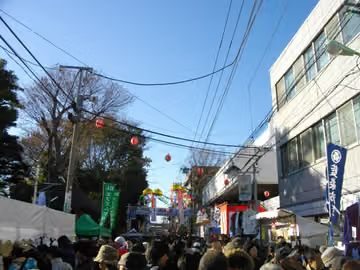 Boro-ichi StreetStalls line both sides of the street under paper lanterns, a classic year-end scene.
- A market with over 400 years of history, said to draw about 200,000 people a day.
- Countless stalls sell secondhand clothes, antiques, old tools, food and more.
- The famous treat is freshly pounded daikan-mochi rice cakes, with long lines.
- There's no parking, so come by train or bus. The nearest stations are Kamimachi and Setagaya on the Tokyu Setagaya Line.
More about Setagaya Boro-ichi
According to Setagaya City, the Boro-ichi has more than 400 years of history.
| Origins | it began in 1578 as a free market ("rakuichi") opened by Hojo Ujimasa in Setagaya. In the Meiji era, when used clothes and cloth became the main goods, it came to be called "Boro-ichi" (rag market). |
|---|---|
| Dates | every year on December 15–16 and January 15–16, four days in all, 9:00–20:00 (weather may change this). |
| Where | "Boro-ichi Street" around the Daikan Yashiki (magistrate's residence) in Setagaya 1-chome, about 3 minutes' walk from Setagaya or Kamimachi stations on the Tokyu Setagaya Line. |
| Crowds | about 200,000 people a day. |
| Daikan procession | once every five years, locals in period costume recreate the magistrate's inspection; the next is planned for fiscal 2027. |
Boro-ichi rules and manners
- There's no parking. Come by train or bus.
- Visitors are asked to avoid eating while walking, and eating on private property is forbidden.
- There are no trash bins. Take your rubbish home.
- Children should come with an adult.
Tips
- Bring cash. Stalls are mostly cash only.
- Daytime is easiest for browsing. It gets very crowded in the evening.
- December nights are cold, so dress warmly.
How the two markets differ, and how to enjoy them
| Setagaya Boro-ichi | Senso-ji Hagoita-ichi | |
|---|---|---|
| In short | A huge treasure-hunt market with over 400 years of history | A market of lucky charms with the color of old Edo |
| Highlights | Around 700 stalls selling antiques, kimono, toys, everyday goods and much more | Elaborate, three-dimensional hagoita paddles showing kabuki actors and more. They are works of art |
| Don't miss | The famous Daikan-mochi rice cakes. There is a long line every year | When a hagoita is sold, the stall holders celebrate with a lively tejime hand-clapping ritual |
- Both get very crowded. The streets at Boro-ichi are especially narrow, so leave large bags and suitcases at your hotel and travel light.
- It gets cold quickly in the evening. Bring heat packs and gloves.
- Big hagoita and antiques are hard to carry home. Look for small hagoita or charms at Hagoita-ichi and small plates or old postcards at Boro-ichi. They make light, easy souvenirs.
Frequently asked questions
When is Hagoita-ichi in 2026?
December 17 (Thu) to 19 (Sat), 2026. It's held on the same dates every year.
When is the Setagaya Boro-ichi?
Every year on December 15–16 and January 15–16. In December 2026 it falls on Tuesday and Wednesday.
Is there an entry fee?
No, both are free.
Do I have to buy a hagoita?
Not at all; it's fun just to look. Small hagoita are popular souvenirs.
When is the Boro-ichi held?
Every year on December 15–16 and January 15–16, from 9:00 to 20:00.
Why is it called Boro-ichi?
In the Meiji era used clothes and cloth ("boro") became the main goods, giving it the name. It began as a free market in 1578.
Why do I hear rhythmic clapping at Hagoita-ichi?
When a hagoita is sold, the stall holders and the buyer clap together in a ritual called tejime to celebrate. It is a lively custom that goes back to the Edo period.
What makes an easy souvenir?
Small hagoita or charms at Hagoita-ichi, and small plates or old postcards at Boro-ichi. They are light and fit easily in a suitcase.
Official websites
Hours, prices and rules can change. Check the official websites for the latest before you go.
Read next
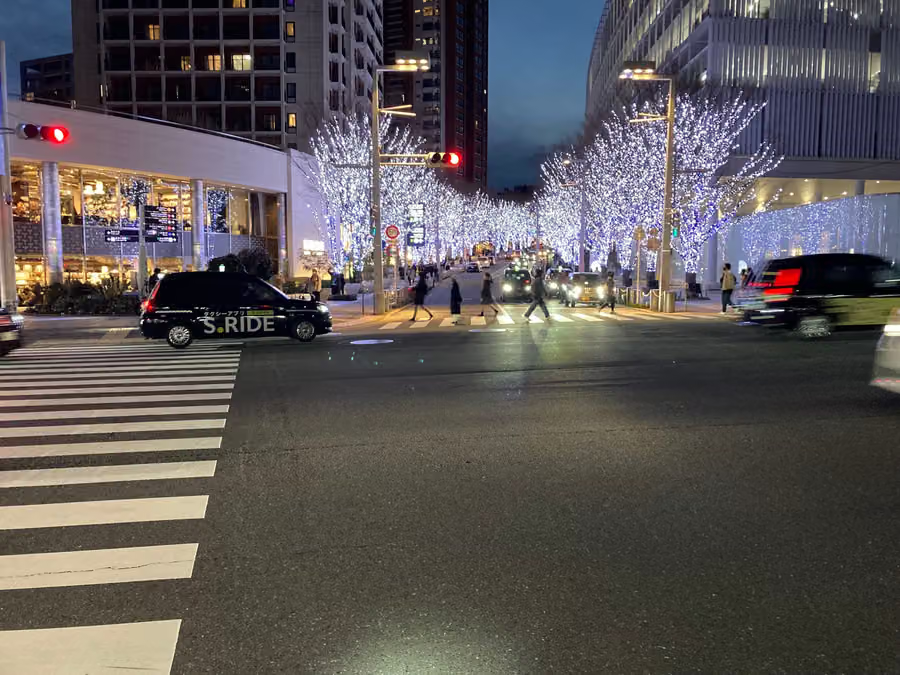 Tokyo Events in December 2026: 15 Picks, from Christmas Markets and Illuminations to Hagoita-Ichi and ComiketDecember 2026 in Tokyo brings illuminations, Christmas markets, year-end traditional fairs and big anime and manga events. Here are 15 events by date, including the new ARTE TOKYO arts festival.2026-11-21
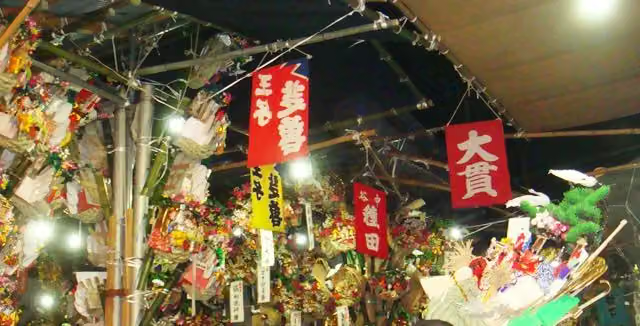 Tokyo Events in November 2026: 13 Picks, from Tori-no-Ichi to Autumn Leaves Light-ups and the First IlluminationsNovember 2026 in Tokyo is packed: autumn festivals, colorful leaves and the start of the winter illuminations. Here are 13 events by date, including Tori-no-Ichi, the Shinjuku Gyoen chrysanthemum show, Ramen Festa and the Christmas markets.2026-10-26
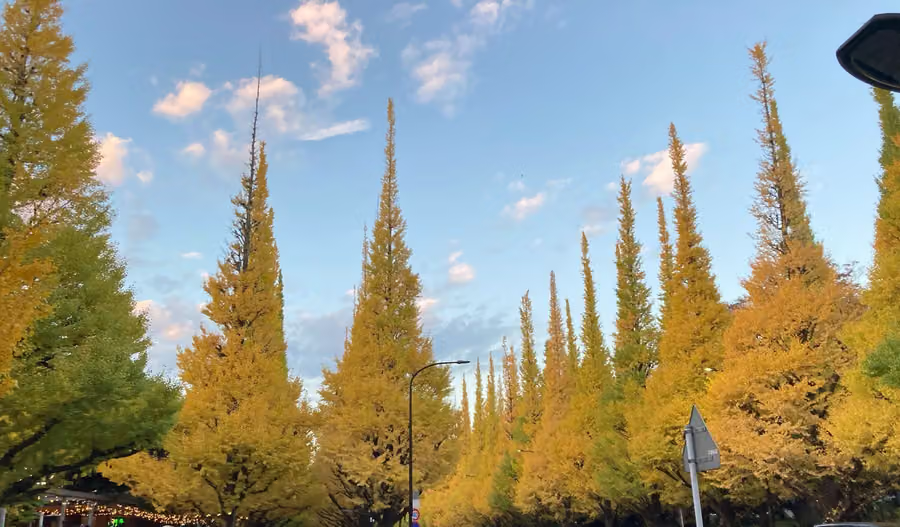 Tokyo in November 2026: Weather and What to Wear, Autumn Leaves, Tori-no-Ichi and the First IlluminationsNovember in Tokyo brings clear, comfortable days, and the autumn leaves turn in the second half of the month. Here are the temperatures and what to pack, when to see the leaves, festivals like Tori-no-Ichi and Shichi-Go-San, and when the illuminations begin.2026-10-21