Tokyo Subway Ticket vs JR Pass: Which Tokyo Travel Pass Is Worth It?
Published: 2026-11-16
In Tokyo you can simply tap Suica or a contactless card for each ride. But on days you ride the subway a lot, an unlimited pass saves money. Here's how the four passes visitors ask about compare, and which one suits your trip.
The short answer
| Tokyo Subway Ticket | Tokyo Metro 24-hour Ticket | Tokunai Pass | Japan Rail Pass | |
|---|---|---|---|---|
| Covers | All Tokyo Metro and Toei Subway lines | Tokyo Metro only | JR lines inside Tokyo's 23 wards (local and rapid) | JR nationwide, including the shinkansen |
| Length | 24, 48 or 72 hours | 24 hours | One calendar day | 7, 14 or 21 days |
| Counted from | Your first ride | Your first ride | The date (until the last train) | Your first day |
| Who can buy | Overseas visitors and others | Anyone | Anyone | Overseas visitors |
| Best for | Sightseeing by subway | Days on Tokyo Metro lines only | Days riding the Yamanote Line | Long shinkansen trips to Kyoto, Osaka and beyond |
If you're unsure, just pay per ride with Suica or a contactless credit card. If you'll ride the subway three or more times a day for several days, look at the Tokyo Subway Ticket.
Tokyo Subway Ticket: the visitors' favorite
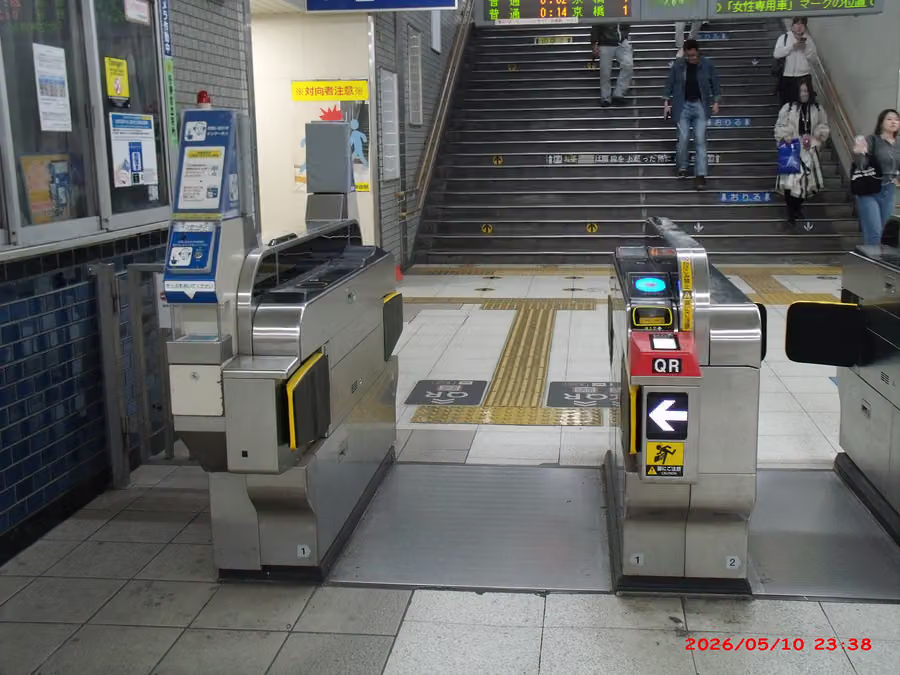
 QR version availableBesides the paper ticket, there's a QR version sent to your phone. Scan it at gates that accept QR codes.
- Not covered: JR lines (including the Yamanote Line), the Yurikamome to Odaiba, private railways, airport express trains and buses.
- Who can buy: Overseas visitors and Japanese residents from outside the Tokyo area. Buy it online on the official site or through travel agencies.
Tokyo Metro 24-hour Ticket
- Unlimited rides for 24 hours on Tokyo Metro's 9 lines only. It does not cover the Toei lines, such as the Oedo Line.
- Anyone can buy it, including from station ticket machines. A QR version is available too.
- Enough for a day spent along the Ginza, Marunouchi or Hibiya lines.
Tokunai Pass: for days on JR
- Unlimited rides on local and rapid JR trains inside Tokyo's 23 wards, including the Yamanote and Chuo lines.
- It's valid for one calendar day until the last train, not 24 hours, so start early.
- You can load it onto a Suica card as well as buying a paper ticket.
- Good for a day hopping between Yamanote Line stations such as Shinjuku, Shibuya, Harajuku, Ueno and Akihabara.
Japan Rail Pass: rarely worth it for Tokyo alone
- A pass for overseas visitors covering JR trains and shinkansen across Japan.
- It's expensive, so it doesn't pay off if you stay in Tokyo. Consider it only for long trips, such as a shinkansen round trip to Kyoto or Osaka.
- For day trips near Tokyo (Nikko, Karuizawa, Lake Kawaguchiko), JR East's 3-day "JR TOKYO Wide Pass" (for holders of a non-Japanese passport) usually fits better.
- New to the shinkansen? See "How to ride the shinkansen".
Which one should you get?
- First time in Tokyo, sightseeing by subway: Tokyo Subway Ticket
- A day of Yamanote Line stops (Shinjuku, Shibuya, Harajuku, Ueno): Tokunai Pass
- You'll mostly walk: pay per ride with Suica or a contactless card
- Also going to Kyoto or Osaka: compare the JR Pass with single tickets
Even with an unlimited pass, trains from the airport usually cost extra. See "Narita and Haneda to central Tokyo".
Know the networks and the choice gets easy
Tokyo's trains belong to three main groups. Every pass is defined by which group's trains it covers, so this is the key to choosing.
| Group | Main lines | Popular stops |
|---|---|---|
| Tokyo Metro (subway) | 9 lines incl. Ginza, Marunouchi, Hibiya | Asakusa, Ginza, Omotesando, Ueno, Roppongi |
| Toei Subway | 4 lines incl. Oedo, Asakusa | Tochomae, Tsukijishijo, Ryogoku, Roppongi |
| JR East | Yamanote, Chuo and more | Shinjuku, Shibuya, Harajuku, Tokyo, Akihabara |
- Tokyo Metro and Toei are separate companies, but you can often change between them in the same station, and the Tokyo Subway Ticket covers both.
- The Yamanote Line is the JR loop around central Tokyo, linking Shinjuku, Shibuya, Harajuku, Ueno, Akihabara and Tokyo Station. It's the line visitors use most.
- The Yurikamome (to Odaiba) and private railways (Tokyu, Keio, Odakyu and others) usually aren't included in any of these passes.
Example days
Day 1: Asakusa, Ueno and Ginza by subway
Asakusa (Ginza Line) → Ueno → Ginza → Tsukiji (Hibiya Line) → Roppongi, all on the subway. That's easily four or five rides, so the Tokyo Subway Ticket fits best.
Day 2: Shinjuku, Harajuku and Shibuya
These three are linked by the Yamanote Line and partly walkable. With two or three rides, pay per ride with Suica; with more, consider the Tokunai Pass.
A three-day trip
Split your days by area: the subway-heavy east (Asakusa, Ueno, Ginza) on day one, the JR-heavy west (Shinjuku, Shibuya) on day two, shopping on day three. The 72-hour ticket suits people who will ride the subway all three days.
Suica and contactless cards keep getting easier
- Suica, the transit IC card, lets you tap through the gates and pay at convenience stores. There's also "Welcome Suica" for visitors. See "Welcome Suica and Mobile Suica updates".
- More lines now let you tap through the gates with a contactless credit card (only on certain lines and gates).
- Even with an unlimited pass, keep a Suica for trains outside its coverage, such as JR or private lines.
Tokyo Subway Ticket (for foreign visitors)
Unlimited rides on Tokyo Metro and Toei subways, in versions for different numbers of days.
Tokyo Subway Ticket (KKday)
You can also book the subway pass on KKday.
📝 Editor's note: we went
We went
In central Tokyo, we find it easiest to plan your moves around the Yamanote Line. Stations are packed closely together, so the next one is sometimes a surprisingly short walk away. It's worth checking distances on Google Maps.
Frequently asked questions
Can I ride the JR Yamanote Line with the Tokyo Subway Ticket?
No. It only covers Tokyo Metro and Toei Subway. Pay for JR separately, for example with Suica.
Does the 72-hour ticket last until the night of day three?
It lasts 72 hours from your first ride. Start on the evening of day one and it runs until the evening of day four.
Is the Tokyo Subway Ticket worth it?
It pays off if you ride the subway about three or more times a day. With around two rides a day, paying per ride with Suica is usually cheaper. The 72-hour ticket is the best value per day if you'll use the subway on all three days.
Are there child tickets?
Yes. Every pass has a child version, and preschool children ride free with an adult.
Where can I buy the Tokyo Subway Ticket?
Online on the official site or through travel agencies; the QR version is sent to your phone. Arrival-lobby counters at Narita and Haneda airports and some stores in central Tokyo have also sold it, but sales points change, so check the official site and have your passport ready.
Can I use different passes on different days?
Absolutely. Use the Tokyo Subway Ticket on subway-heavy days and the Tokunai Pass on JR-heavy days. Choosing day by day wastes the least.
What's the difference between Suica and the JR Pass?
Suica is a prepaid card: you top it up and tap to pay for each ride on almost all trains, subways and buses in Tokyo. The Japan Rail Pass is an unlimited pass for overseas visitors on JR trains and shinkansen across Japan; it does not cover the Tokyo Metro or Toei subway.
Can two people share one Suica?
No. Each person needs their own card to go through the gate. Children need their own card too, and a child card charges the child fare.
How much money should I put on my Suica?
Top it up a little at a time rather than all at once. You can recharge with cash at station ticket machines and at convenience store registers. Welcome Suica's leftover balance can't be refunded, but you can spend it in shops before you leave.
Official websites
Prices, sales locations and rules can change. Check the official sites before you buy.
Read next
 Tokyo in 2 Days: A Two-Day Itinerary for Old Tokyo, Akihabara, Shibuya and ShinjukuTwo days in Tokyo: spend day one in the old east side (Asakusa, Skytree, Ueno and Akihabara) and day two in the busy west (Meiji Jingu, Harajuku, Shibuya and Shinjuku at night).2026-11-21
 Tokyo in One Day: A One-Day Itinerary from Asakusa to Shibuya and Shinjuku at NightOnly one day in Tokyo? Start at Senso-ji in Asakusa, ride one subway line straight to Harajuku and Shibuya, and finish with a free night view and dinner in Shinjuku.2026-11-20
 Tokyo in 7 days: the classic neighborhoods plus day trips to Kamakura and Hakone, a one-week itineraryWith a week in Tokyo, you can take the classic neighborhoods at an easy pace and still fit in day trips to Kamakura and Hakone or Mt. Fuji. Here's a 7-day plan ordered to keep travel short, with tips on where to stay and what to book ahead.2026-10-30