Tokyo Street Food Guide: Tsukiji, Ameyoko, Asakusa, Yanaka and More
Published: 2026-10-06
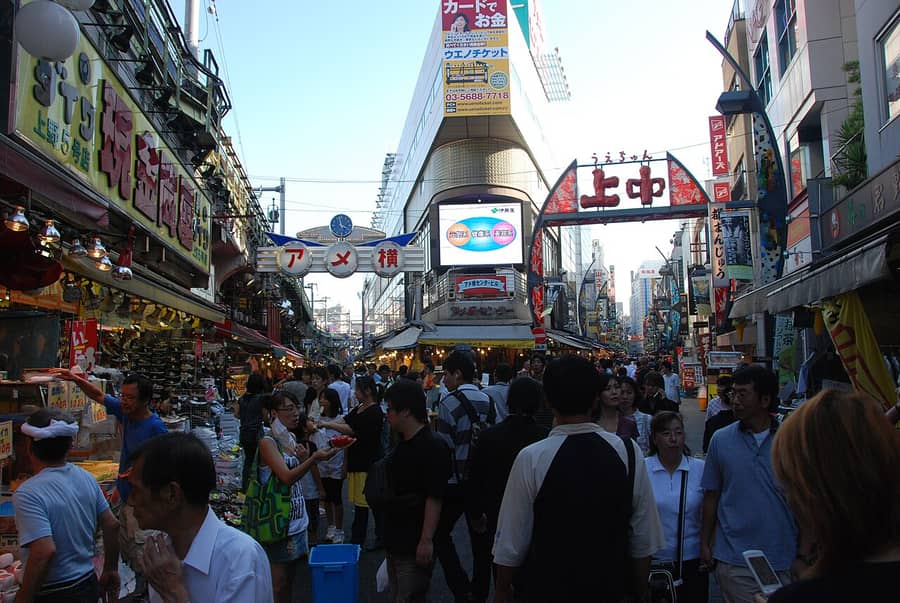
Grazing your way through little stalls and shops, a bite here and a bite there, is one of the joys of Tokyo. Here are the best food streets, plus the etiquette to know.
The short answer
| Area | Vibe | What to eat |
|---|---|---|
| Tsukiji Outer Market | A morning market street where the fish market used to be | Tamagoyaki, seafood bowls, grilled seafood |
| Ameyoko (Ueno) | A lively market along the railway tracks | Fruit, kebabs, standing bars |
| Nakamise-dori (Asakusa) | Old shops on the approach to Senso-ji | Ningyo-yaki, age-manju |
| Yanaka Ginza | An old-fashioned shopping street | Menchi-katsu, Japanese sweets |
| Tsukishima | A street lined with monja restaurants | Monjayaki |
| Harajuku | Colorful sweets on Takeshita Street | Crepes |
In Tokyo, "street food" means eating in front of the stall or in a set area, not while walking. See "Etiquette" below.
The best food streets
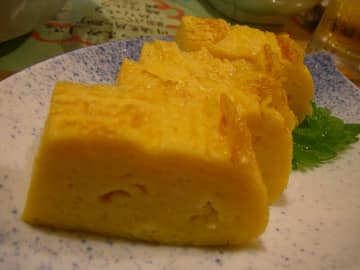 Tamagoyaki at Tsukiji Outer MarketFluffy, sweet rolled omelet is a Tsukiji classic. Seafood bowls and grilled shellfish are great too.
 AmeyokoA market running from Ueno to Okachimachi, packed with fruit, dried goods and stall-style shops. At night, the bars under the tracks come alive.
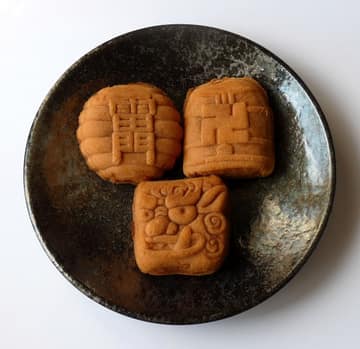 Ningyo-yaki in AsakusaLittle sponge cakes filled with sweet bean paste, an Asakusa specialty. Some shops on Nakamise-dori sell them fresh from the mold.
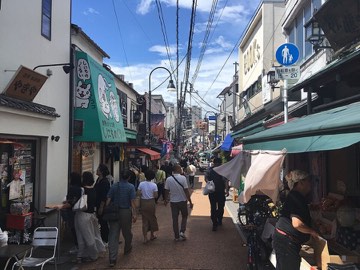 Yanaka GinzaA shopping street with an old-Tokyo feel, known for freshly fried menchi-katsu and Japanese sweets.
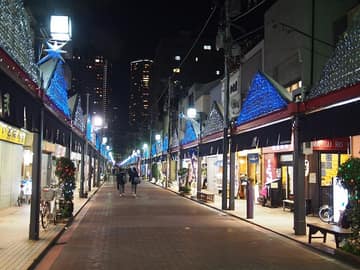 Tsukishima Monja StreetA whole street of restaurants serving monjayaki, a griddle dish born in Tokyo.
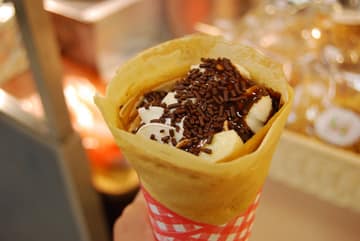 Harajuku crepesA Takeshita Street icon, loaded with fruit and cream and made for photos.
At night, head to a yokocho
A "yokocho" is a narrow alley packed with tiny bars and eateries. Expect old-school atmosphere, yakitori and drinks.
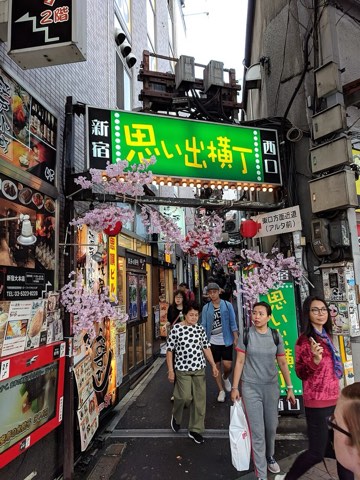 Omoide Yokocho (Shinjuku)Right by Shinjuku Station: a retro alley full of yakitori smoke.
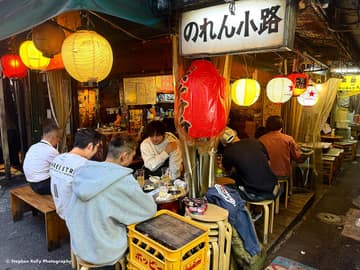 Harmonica Yokocho (Kichijoji)A maze of tiny shops and bars right outside the station.
Yokocho bars are tiny with only a few seats, so leave big bags behind. Some places charge a seat fee.
Timing tips
- Tsukiji Outer Market is a morning place. Early on, professional buyers come first, and many shops close in the early afternoon. Many are closed on Sundays, holidays and some Wednesdays.
- Ameyoko and the yokocho are busiest from evening into the night.
- Nakamise-dori is calmer early in the morning or in the evening.
Street food etiquette
Don't eat while walking. Eat in front of the shop where you bought it or in the space provided. Tsukiji Outer Market and Nakamise-dori in Asakusa both ask visitors to do this.
There are hardly any bins on the street. Hand your trash back to the shop or take it with you.
Some small shops are cash only, so carry a little cash.
- When taking photos, be careful not to get in the way of other customers or staff.
Find more dishes to try in Tokyo on our food page.
Official websites
- Tsukiji Outer Market
- Ameyoko
- Asakusa Nakamise
- Yanaka Ginza
- Tsukishima Monja Association
- Omoide Yokocho, Shinjuku
Hours, prices and rules can change. Check the official websites for the latest before you go.
Read next
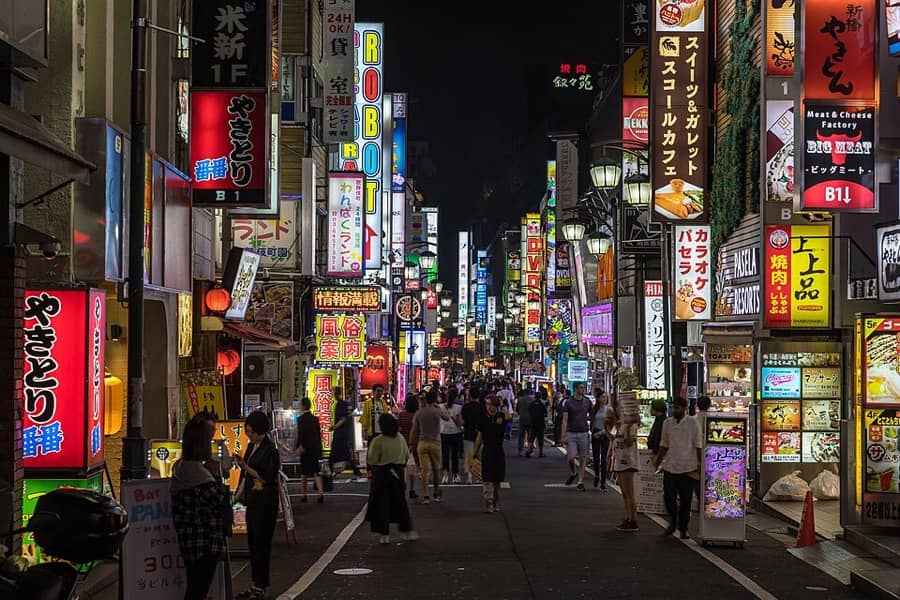 Shibuya, Shinjuku, Asakusa… Tokyo's Top Areas Compared: Where to Go FirstTokyo isn't one city center but a cluster of very different neighborhoods. Here's what each popular area feels like, and which ones pair well in a day.2026-10-06
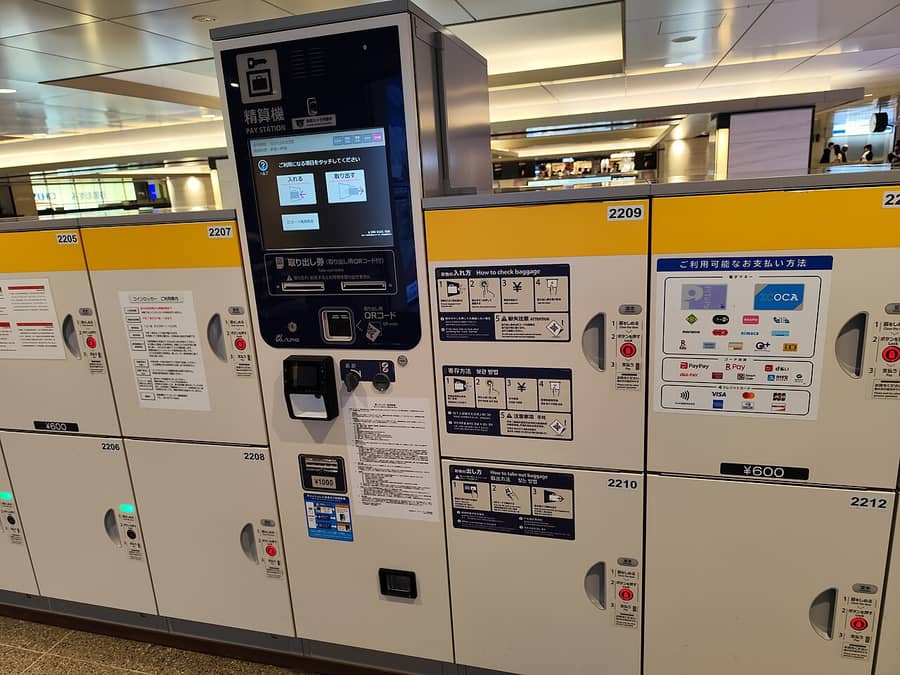 What to Do With Big Luggage in Tokyo: Coin Lockers, Luggage Storage and Hands-Free TravelSightseeing while dragging a big suitcase is no fun. Here's how to travel light in Tokyo, from station coin lockers and storage services to sending bags ahead to the airport or where you're staying.2026-10-06
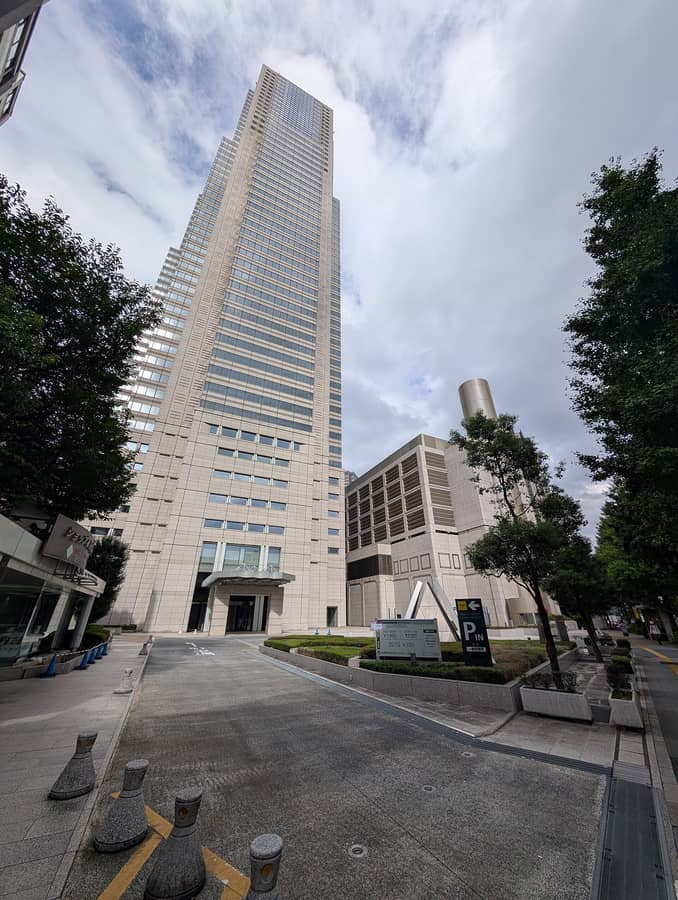 Where to Stay in Tokyo: Hotel Chains, Luxury Hotels and the Best AreasTokyo has everything from reliable chain hotels to world-class luxury hotels, traditional ryokan and capsule hotels. Here are the types of places to stay and the areas that make getting around easy.2026-10-06