18 Everyday Things in Japan That Amaze the World: Trains, Safety, Omotenashi, Toilets and Where to Experience Them
Published: 2026-10-10
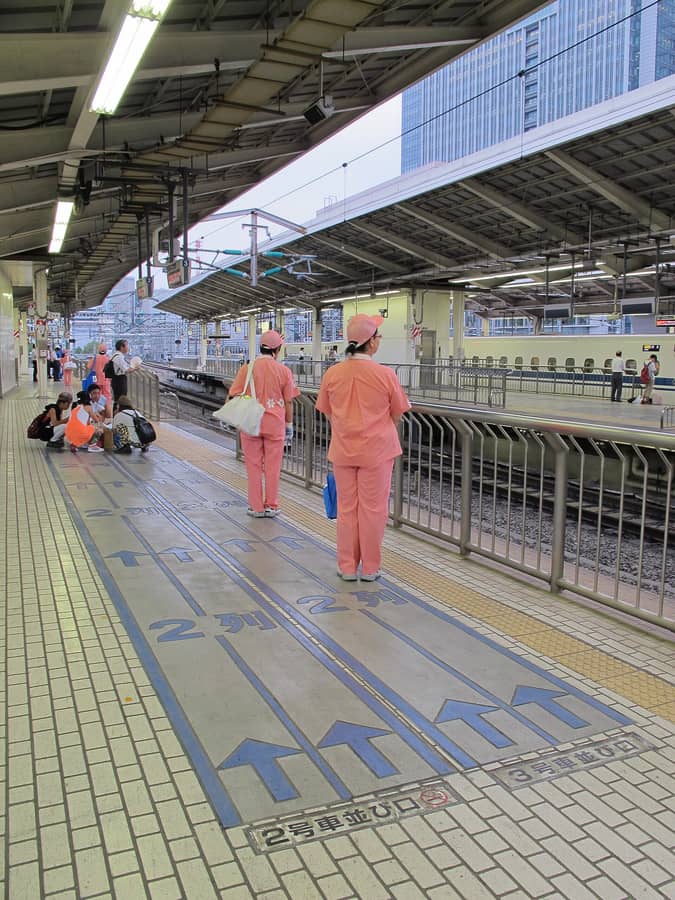
Trains that run to the second, lost wallets that come back, free water and hot towels the moment you sit down. What's normal in Japan often leaves visitors speechless. Here are the everyday things that surprise the world, why they happen, and where to experience them in Tokyo.
The short answer
| Category | What amazes visitors | Where to experience it in Tokyo |
|---|---|---|
| Getting around | Trains on time to the second, orderly lines, automatic taxi doors | The Yamanote Line, Shinkansen platforms, taxi stands |
| Safety | Lost items returned, untouched vending machines, umbrella stands | Anywhere in the city |
| Omotenashi | Free water and hot towels, convenience stores that heat your food, depachika | Restaurants, convenience stores, department store basements |
| Culture | Gacha capsule toys, high-tech toilets, station jingles | Akihabara, Shibuya, major stations |
| Daily life | Call buttons, no tipping, kids commuting alone | Family restaurants and izakaya, morning stations and school routes |
You'll run into all of these naturally on your trip. Knowing about them first makes each one twice as fun: "So this is the famous…!"
1. Getting around: transport perfection
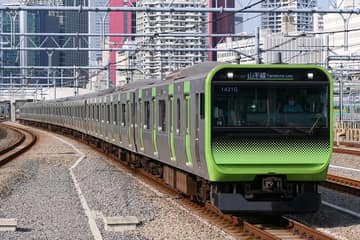 Trains on time to the secondTrains arriving exactly on schedule is normal. Even a small delay brings an apology over the station speakers.
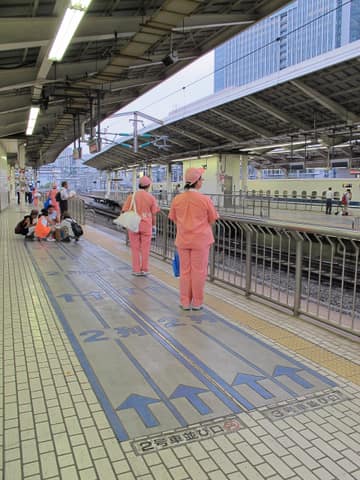 Neat lines on the platformMarkings on the platform floor show where the doors will stop. Everyone lines up, lets passengers off first, and almost nobody cuts in.
 The "magic" taxi doorThe driver opens and closes the rear door for you. Don't open or shut it yourself.
- They even apologize for leaving early: in 2017, the Tsukuba Express apologized after a train departed about 20 seconds early, and it made news around the world.
- Delay certificates: when a train runs late, stations hand out "delay certificates" so passengers can explain to their office or school.
- Japanese iced coffee: brewing hot coffee directly over ice to chill it instantly is known abroad as "Japanese iced coffee".
Good to know for visitors
- Learn the basics in "How to ride trains in Tokyo".
- If you'll ride the subway a lot, an unlimited-ride pass for visitors is handy.
Tokyo Subway Ticket (for visitors)
Unlimited rides on Tokyo Metro and Toei subways, in versions for different numbers of days.
2. Remarkable safety and cleanliness
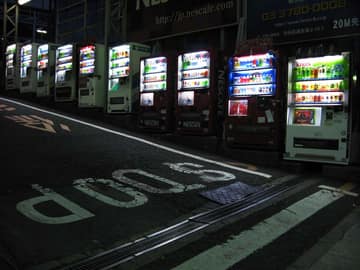 Vending machines nobody breaksMachines selling cold and hot drinks stand everywhere, glowing all night and almost never vandalized.
Lost something? Ask at the last place you were (station or shop), then at the nearest koban (police box). Tokyo's police have an English information page.
3. Thoughtful omotenashi service
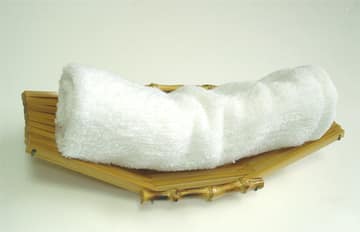 Free water and hot towelsAt restaurants, water (or tea) and an oshibori towel arrive as soon as you sit down, a surprise for visitors from countries where water costs extra.
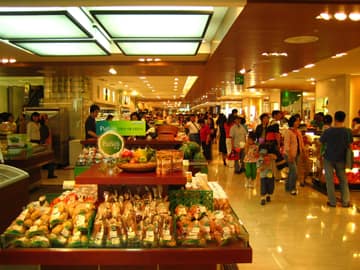 Beautiful depachika and free samplesDepartment store food halls display dishes and sweets like works of art, and some counters offer tastings.
 Convenience stores that think of everythingBuy a bento and staff ask if you'd like it heated, and add chopsticks and a wet towel.
- Coin trays: in shops, money is placed on a tray rather than handed over, so both sides can check the amount.
- Splitting the bill: friends sometimes split the bill exactly, down to the last yen. At izakaya, though, one combined bill is the norm.
- Paid plastic bags: since 2020, plastic bags at convenience stores and supermarkets cost extra. Bring a tote.
4. Unique, deep culture
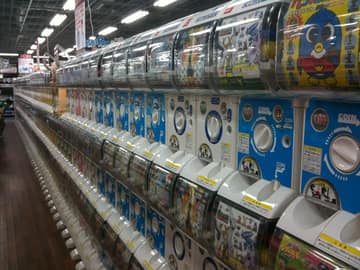 Gacha capsule toys adults loveIntricate miniatures and character capsule toys line the streets, and Akihabara and Ikebukuro have specialist shops with hundreds of machines.
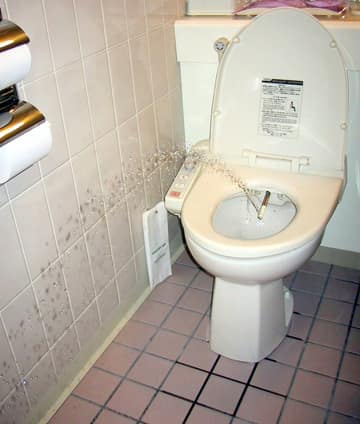 High-tech toiletsBidet toilets and heated seats are everywhere, even in stations, convenience stores and department stores, free and spotless.
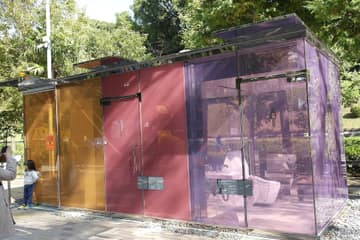 Shibuya's art toiletsTHE TOKYO TOILET project offers 17 public toilets in Shibuya designed by world-famous architects and creators. They starred in the film "Perfect Days".
- Departure jingles: each station plays its own melody before trains leave. Ebisu uses a tune from a famous beer ad, and Takadanobaba plays the Astro Boy theme.
- Helpful announcements: stations and department stores keep you informed about the next stop or floor, and major stations announce in English too.
For gacha and anime shops, see "Tokyo's anime and manga hotspots".
5. Call buttons, and no tipping
- Call buttons: family restaurants and izakaya often have a button on the table that goes "ping-pong". Press it and staff come over, no shouting needed.
- No tipping: however great the service, you don't tip. Pay the menu price (prices usually include tax). Leave a tip and staff may chase after you thinking you forgot your change.
Some places add a late-night surcharge, and izakaya often charge for an otoshi, a small starter that works like a table charge.
6. Where kids ride the train alone
In Japan, it's an everyday sight to see young children with randoseru school backpacks walking to school in small groups or riding the train alone. In many countries, letting a young child go out alone is seen as risky, so visitors are amazed.
Behind it is not just safety, but a culture where neighbors, station staff and passers-by quietly look out for children. A Japanese TV show about toddlers running their first errand became a global hit on streaming as "Old Enough!".
Why are these things "normal" in Japan?
- Respect for time: punctual trains reflect the idea of respecting everyone's time.
- Otagaisama: handing in lost items and lining up come from the feeling that "it could be me next time".
- Omotenashi: anticipating what a guest needs before they ask is seen as good service.
For all the manners in one place, see "Japan etiquette cheat sheet".
Frequently asked questions
Are Japanese trains really on time?
Almost always. A few minutes' delay brings an apology, and a railway once apologized for leaving about 20 seconds early.
Do lost items really come back in Japan?
Very often. In 2024, about 4.4 million lost items were handed in to Tokyo's police. If you lose something, ask at the last place you were or at the nearest koban.
Is water free at restaurants in Japan?
At almost all restaurants, water (or tea) and a wet towel are free.
Should I tip in Japan?
No. Just pay the menu price. Leaving a tip can even cause confusion.
Do I open the taxi door myself in Japan?
No. The driver opens and closes the rear door automatically.
Are Japanese toilets clean everywhere?
There are many free public toilets in stations, convenience stores, department stores and parks, and most are kept clean. Bidet toilets are common.
Official websites
Hours, prices and rules can change. Check the official websites for the latest before you go.
Read next
 Jujutsu Kaisen in Tokyo: Walk the Real Shibuya and Find GoodsJujutsu Kaisen follows high schoolers who fight curses, and its big “Shibuya Incident” arc is set in the real Shibuya. Here's why fans love it and how to enjoy it in Tokyo.2026-10-08
 Mashle: The Muscle Fantasy Behind the Viral Hit “Bling-Bang-Bang-Born”In a world of magic, one boy gets by on muscles alone. Mashle is an offbeat fantasy whose theme song became a global hit. Here's why it's worth a watch.2026-10-08
 15 Most Instagrammable Spots in Tokyo: Night Views, Traditional Japan and ArtThese are the photogenic Tokyo places shared all over the world on social media. We've added the best times to shoot and the etiquette for taking photos without trouble.2026-10-08