Karate Experience in Tokyo: Beginner and Family Lessons, Tile Breaking, Dojo Etiquette and Karate's History
Published: 2026-10-09
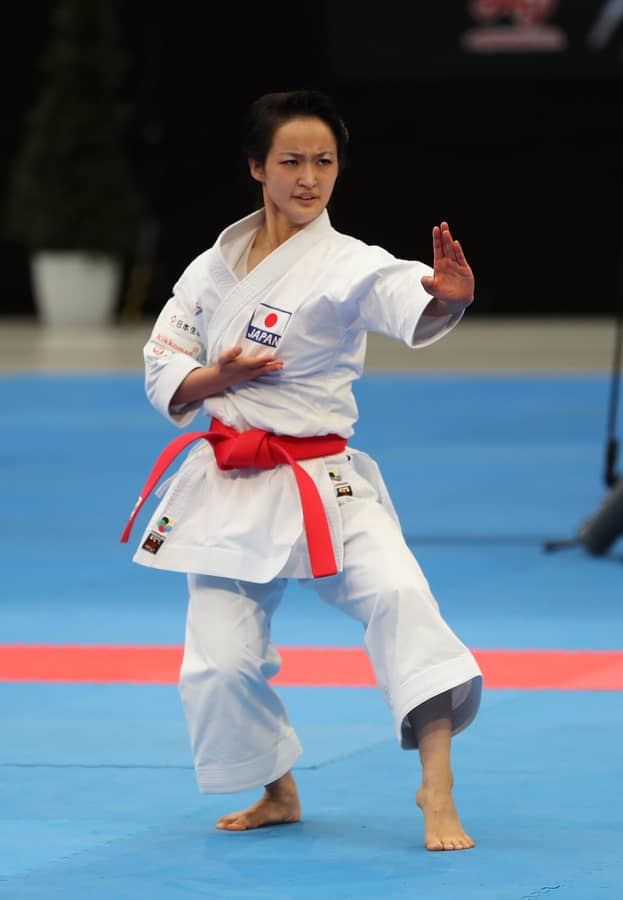
Karate, the martial art loved all over the world, was born in Okinawa, Japan. In Tokyo, you can join a karate lesson made for visitors or try kawara-wari, smashing a stack of roof tiles with your bare hand. Here are the kinds of experiences, how a lesson works, dojo etiquette and karate's history.
The short answer
| Karate experience | |
|---|---|
| What is it? | A lesson where an instructor teaches basic punches, kicks and kata. Tile-breaking experiences too |
| Who can join? | Many plans are for beginners, kids and families. No experience needed |
| Language | Some experiences are taught in English |
| The golden rule | In the dojo, the bow (rei) matters. Follow the instructor |
Many lessons take only small groups, so book as soon as your dates are set.
What is karate?
Karate is a martial art born in Okinawa (the former Ryukyu Kingdom). It's said to have developed when Okinawa's native fighting arts blended with Chinese martial arts. In the Taisho era (1912 to 1926), Okinawan masters brought it to mainland Japan, and it spread across the country.
Karate isn't only about defeating an opponent. As the saying "karate ni sente nashi" (there is no first strike in karate) shows, it values courtesy and training the mind. Today it's practiced worldwide, and at the Tokyo Olympics, held in 2021, it was an official sport, staged at the Nippon Budokan.
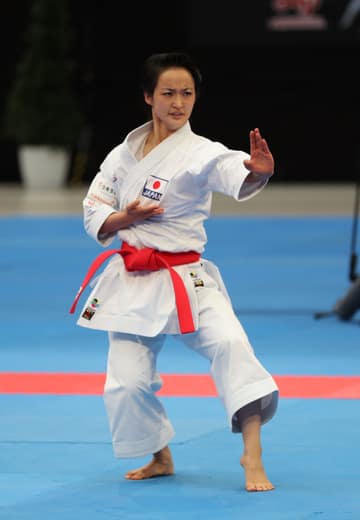 KataA solo performance of set movements, judged on precision and power.
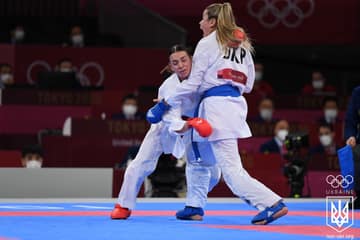 KumiteTwo people face off and exchange techniques under set rules. Pictured: a bout at the Tokyo 2020 Olympics.
The main styles of karate
| Style | Features |
|---|---|
| Shotokan | One of the styles passed on by Gichin Funakoshi, who spread karate on the mainland. Dojos all over the world |
| Goju-ryu | An Okinawan style combining "hard" (go) and "soft" (ju) |
| Shito-ryu | Known for preserving a large number of kata |
| Wado-ryu | Emphasizes body movement to redirect an opponent's force |
There's also full-contact karate, where fighters actually strike each other. In a visitor lesson, you can start from the basics whatever the style.
Karate experiences in Tokyo
What is tile breaking?
Kawara are fired-clay tiles used on the roofs of traditional Japanese houses. Karate has a tradition called tameshiwari (test breaking), where you break boards or tiles to test the power of a technique. In a tile-breaking experience, an instructor teaches you the right technique, then you strike down in one go with a shout (kiai). The feeling when the tiles crack is incredibly satisfying.
To avoid injury, strike exactly as the instructor tells you. Tell them beforehand if you have a wrist or hand injury.
How a lesson works
- Book: on the experience's official site or a travel booking site.
- Change: many plans lend you a dogi, and they'll show you how to tie the belt.
- Bow and greeting: first, you learn how to bow in the dojo.
- Basics: practice stances, punches and kicks.
- Kata or tile breaking: depending on the plan, try kata, or break tiles or boards.
- Photos: some plans include a souvenir photo in your dogi.
Book a karate experience in Tokyo (Klook)
Reserve a karate experience made for visitors. Check the content, languages and whether tile breaking is included on the booking page.
Dojo etiquette
- Bow when entering and leaving the dojo.
- Train barefoot. Take off your shoes and socks.
- Remove rings, earrings, watches and other accessories. Short nails are safer too.
- Listen to the instructor and never try techniques on others without being told.
- Some styles use the greeting "osu". Follow the instructor's lead and you'll be fine.
- Ask the instructor before taking photos in the dojo.
Want to dig deeper?
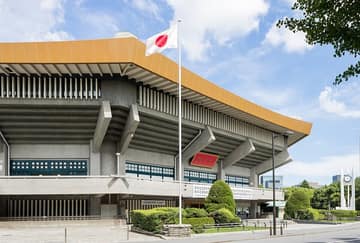 Nippon Budokan (Tokyo)The karate venue of the Tokyo 2020 Olympics, and a regular host of martial arts events including karate.
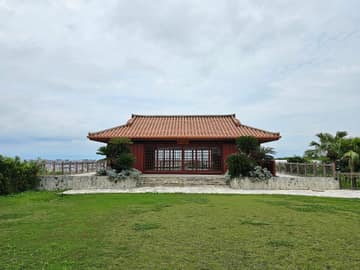 Okinawa Karate Kaikan (Okinawa)A facility in karate's birthplace with exhibits on its history. Pictured: the traditional dojo on its grounds.
If you're heading to Okinawa, a trip to karate's home is well worth it.
Frequently asked questions
Can I join with no karate experience?
Yes. Nearly all visitor lessons assume you're a complete beginner, and they start from the basic movements.
Can kids and families join?
Yes, there are family plans. Age limits vary by plan, so check before booking.
What should I wear?
Many plans lend you a dogi, so comfortable clothes are fine. A T-shirt to wear under the dogi is handy.
Does tile breaking hurt? Is it dangerous?
An instructor teaches you the right technique, so even first-timers can try it. Following their instructions keeps the risk of injury low. Raise any worries beforehand.
Can I be taught in English?
Some experiences are taught in English. Check which languages are offered when you book.
Can I visit a dojo to watch training?
Every dojo has its own rules. Don't just turn up; always contact them first. The Japan Karate Association's headquarters dojo mainly offers training for members.
Official websites
- Japan Karate Federation (Japanese)
- Japan Karate Association
- Nippon Budokan (Japanese)
- Okinawa Karate Kaikan
Hours, prices and rules can change. Check the official websites for the latest before you go.
Read next
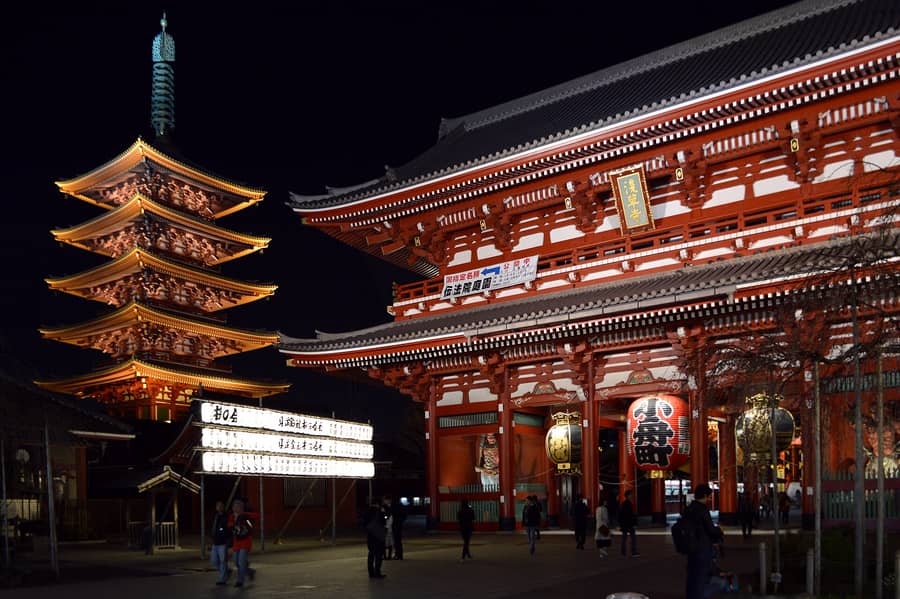 15 Most Instagrammable Spots in Tokyo: Night Views, Traditional Japan and ArtThese are the photogenic Tokyo places shared all over the world on social media. We've added the best times to shoot and the etiquette for taking photos without trouble.2026-10-08
 What to Do in Tokyo on a Rainy Day: The Best Indoor SpotsRain on your trip? No problem. Tokyo is full of indoor places where you can have a great day whatever the weather.2026-10-08
 6 Best Day Trips from Tokyo: Kamakura, Hakone, Nikko, Mt. Fuji and MoreOnce you've got the hang of Tokyo, why not venture a little further? Here are popular getaways you can reach by train and enjoy in a single day.2026-10-07