Watch Sumo Morning Practice in Tokyo: How to Choose a Tour and the Etiquette to Follow
Published: 2026-10-15
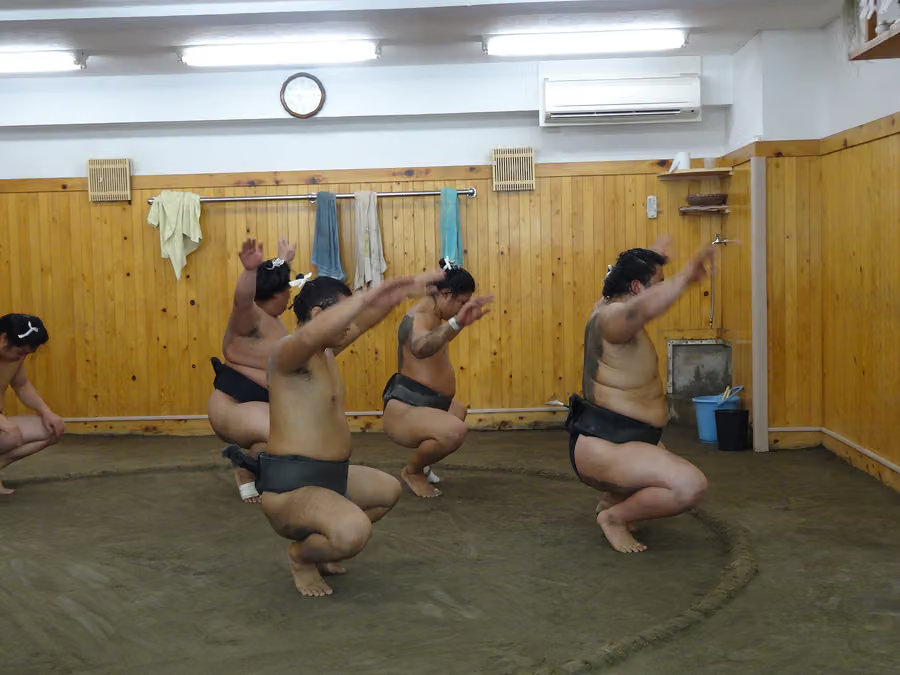
The thud of wrestlers colliding, the breathing echoing around the ring: morning practice at a sumo stable is a very different thrill from a tournament. Here's how to watch, how to pick a tour, and the etiquette you must follow.
The short answer
| Sumo morning practice | |
|---|---|
| What is it? | Watching wrestlers' morning training (keiko) at a sumo stable |
| When | Practice usually starts around 7am; visits are scheduled around it |
| How | Go on a guided tour |
| Where | Ryogoku and other parts of east Tokyo, home to many stables |
| The golden rule | Practice is serious training, not a show. Stay quiet and out of the way |
Sumo stables are normally closed to the public. Many don't accept visitors, so never just turn up without a tour.
What happens at morning practice?
 Shiko and warm-upsWrestlers repeat basic moves such as shiko, raising a leg high and stamping it down.
- A stable is where wrestlers live and train together, a traditional world built on hierarchy and courtesy.
Choosing a tour
- Travel companies sell practice tours arranged with the stables, some with English-speaking guides.
- In 2025, a travel company's tours to Tatsunami stable in Taito Ward became popular, mostly with visitors from Europe, North America and Australia.
- Watch out: media have reported dubious operators charging far more than usual or giving unclear information. Choose an established travel company.
Visits are said to be easiest in the weeks before a grand tournament (in Tokyo: January, May and September). During tournaments held outside Tokyo, stables may be away.
Etiquette (non-negotiable)
- Stay quiet during practice.
- Follow your guide on photos: whether photos or flash are allowed depends on the stable and tour.
- Never step into the ring: the dohyo is sacred.
- Don't touch or talk to wrestlers until practice is over.
- Be on time: arriving midway disrupts practice.
- You'll sit in a set spot, sometimes for a long time, so wear comfortable clothes.
Not a morning person? Try a sumo show in Shinjuku
If early starts aren't your thing, or stables aren't taking visitors, a sumo show in Shinjuku is another option.
- A show with commentary in English and Japanese explaining sumo's rules and history.
- Photos with wrestlers, and a chance to step into the ring and take one on (by lottery if lots of people want to).
- Unlike practice, taking photos and cheering are part of the fun.
This is a show for visitors, not stable practice. Choose a practice tour for the real atmosphere, or the show for something easygoing.
Shinjuku sumo show with drinks and photo
English commentary, with a photo with the wrestlers.
Want to see a tournament too?
Tokyo's grand tournaments are held at the Ryogoku Kokugikan in January, May and September, 15 days each. See our Ryogoku Kokugikan and Ryogoku pages.
Frequently asked questions
Can I watch sumo practice on my own?
Many stables don't accept visitors, so a guided tour is the safe choice. Don't just turn up.
What time does sumo morning practice start?
Usually around 7am. Tour meeting times are often around 8am.
Can I take photos at sumo practice?
It depends on the stable and tour, so follow your guide. Some tours include a photo with wrestlers after practice.
When is the best time to go?
The weeks before a grand tournament. During tournaments, especially those outside Tokyo, visits may not be possible.
Official websites
Hours, prices and rules can change. Check the official websites for the latest before you go.
Read next
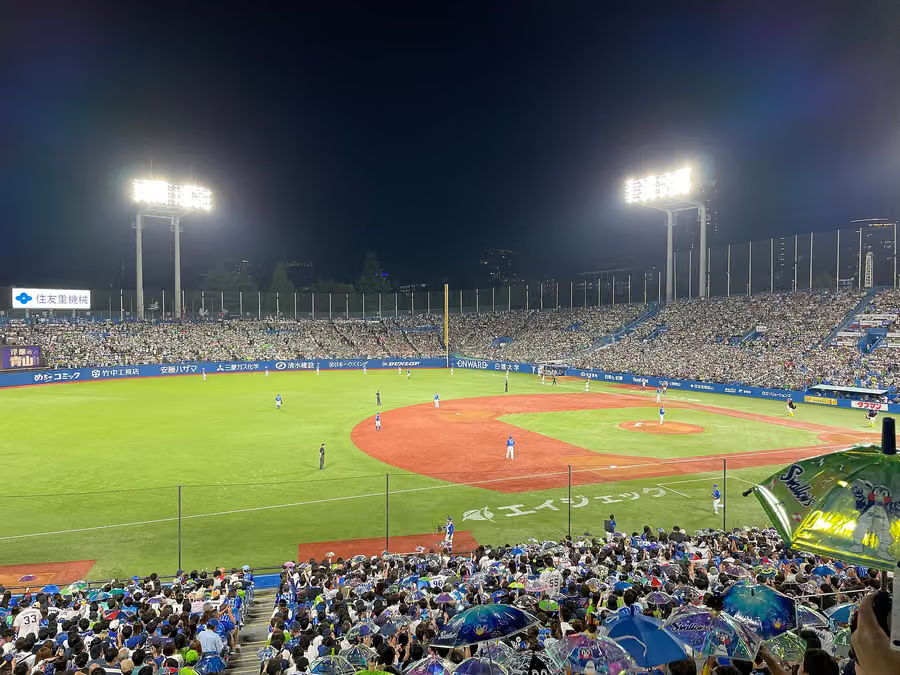 Watching Sports in Tokyo: Baseball, Soccer and Basketball — Teams, Tips and Stars Who Went GlobalTokyo has pro baseball, J.League soccer and B.League basketball almost all year round. Japan's unique cheering culture and stadium food make a game one of the best memories of a trip. Here are Tokyo's teams, how to enjoy a game, and the players who went from Tokyo to the world stage.2026-10-15
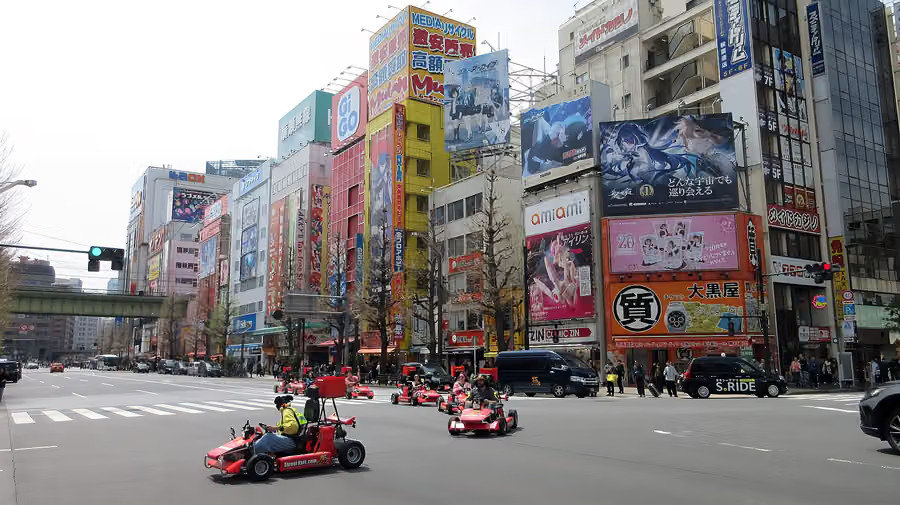 Street Go-Karting in Shibuya: Licence Rules, Safety Tips and 10 More Fun Things to Do in TokyoRace through Shibuya's crossings in a go-kart! Here's what licence you need for Tokyo's hugely popular street kart tours and the safety rules to know, plus more only-in-Tokyo experiences, from sumo practice to purikura and karaoke.2026-10-14
 How Karaoke Works in Japan: Booking, Pricing Rules and Etiquette in TokyoKaraoke was born in Japan, and here you sing in a private room with just your group, so no one else hears you. Here's how check-in works, how charges are calculated, and how to find English songs.2026-10-15